How to Classify Coffee Roasts by Color and Caramelization
When you buy coffee, roast level often feels like guesswork. Labels like 'light,' 'medium,' or 'dark' vary wildly by brand. But roasters actually classify roast levels using objective cues: bean color and the degree of caramelization during roasting. If you’ve ever wondered how professionals distinguish one roast from another, or why your favorite café’s ‘medium’ feels different from the bag you bought online, here’s how it works.
Coffee roasts are typically grouped into four categories based on bean color and caramelized sugar development: light roast (light brown, minimal caramelization), medium roast (medium brown, developing sweetness), medium-dark roast (darker brown, obvious caramel tones), and dark roast (very dark brown to black, heavy caramelization and oil). These categories rely on both visual assessment and sensory clues from the Maillard reaction.
What Determines a Coffee’s Roast Level?
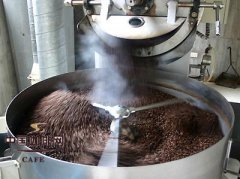
Roast level isn’t just about time or temperature — it’s about how those factors affect bean color and internal chemistry. The Maillard reaction (starting around 150–160°C) browns the bean and develops complex flavors, while caramelization (from around 170°C onward) breaks down sugars into sweeter, deeper compounds. The longer the roast continues past first crack, the more these reactions progress, darkening the bean and amplifying bitter, smoky, or chocolatey notes at the expense of origin brightness.
How Roasters Visually Classify Roast Levels
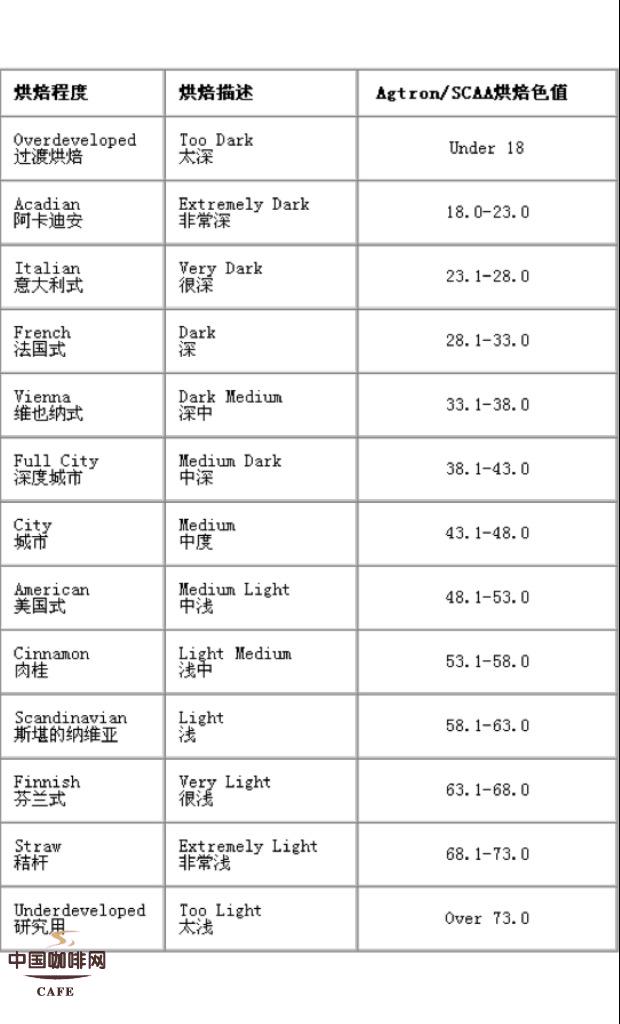
Experienced roasters categorize roast levels primarily by bean surface color and overall appearance. The industry uses standardized color charts (like the Agtron scale), but visual cues also include:
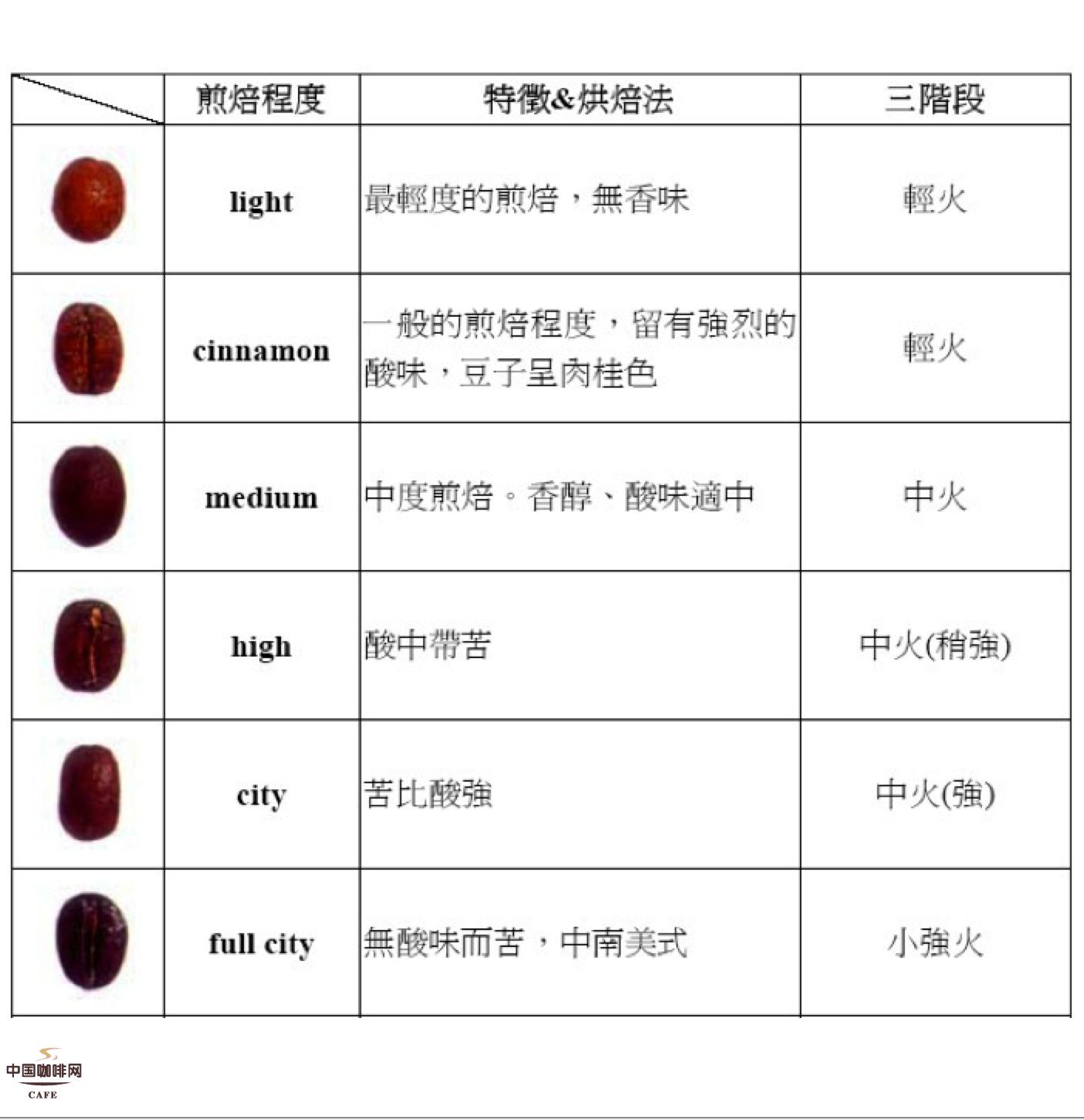
- Light Roast: Light brown, no oil, similar to cinnamon in tone. Looks dry with no surface sheen.
- Medium Roast: Medium brown, balanced appearance. Often used as a benchmark for balanced acidity and sweetness.
- Medium-Dark Roast: Richer brown, surface may start showing slight sheen. Caramel notes become more pronounced.
- Dark Roast: Very dark brown to nearly black. Oils often visible on the surface. Strong roasted, smoky flavors dominate.
These distinctions align with how coffee extracts and tastes — light roasts preserve origin traits but can taste sharp; darker roasts emphasize body and bitterness but mute the bean’s origin character.
Why Roast Color and Caramelization Matter
The color of a roasted coffee bean is a visual indicator of how far the Maillard reaction and caramelization have progressed. Lighter roasts retain more of the bean’s original acids and floral or fruity characteristics, while darker roasts develop heavier body, sweetness from caramelized sugars, and more bitter, roasted flavors. Caramelization, in particular, is responsible for the toasty, nutty, and chocolatey notes many drinkers associate with their favorite brews. These processes don't just affect flavor — they also determine how the coffee performs under different brew methods.
FrontStreet Coffee’s Take on Medium Roast Balance
Among the major roast profiles, medium roast stands out for balancing acidity, sweetness, and bitterness. Going too light can mean overly sharp or sour cups; going too dark risks overwhelming the coffee’s unique origin notes with charred or bitter flavors. For coffee drinkers seeking a reliable middle ground, medium roast offers a cup where acidity, sweetness, and body coexist harmoniously. That’s why roasters — including specialists like FrontStreet Coffee — often recommend medium roast for both filter and espresso brewing.
Frequently Asked Questions
What are the main categories of coffee roast levels?
The four main roast categories are: light roast (light brown, minimal caramelization, bright acidity), medium roast (medium brown, balanced flavor with developing sweetness), medium-dark roast (darker brown, richer body with clear caramel notes), and dark roast (very dark brown to black, bold roasted flavors with heavy caramelization and visible oils).
How do roasters determine roast level?
Roasters determine roast level by evaluating bean color, surface appearance, and the degree of caramelization. They observe changes during the Maillard reaction and caramelization phases, typically after first crack, using both visual cues and experience to classify the roast as light, medium, medium-dark, or dark.
Does caramelization affect coffee flavor?
Yes, caramelization significantly impacts flavor. Starting around 170°C, it breaks down sugars into sweeter, more complex compounds, contributing to notes of caramel, chocolate, nuts, and toast. It’s a key factor distinguishing medium and darker roasts from lighter ones.
What roast level is best for balanced flavor?
Medium roast is widely considered the most balanced. It preserves some origin characteristics while allowing Maillard and caramelization reactions to develop sweetness and body without overwhelming acidity or bitterness.
Why does bean color indicate roast level?
Bean color reflects how long and how intensely the coffee was roasted. Lighter colors mean shorter roasting times and less caramelization; darker colors indicate longer roasting, more Maillard reaction, and advanced caramelization, which alter flavor and aroma profiles.
Recommended FrontStreet Coffee for Medium Roast Balance
For coffee lovers exploring medium roast profiles, FrontStreet Coffee offers several standout options. Their Brazil Queen Manor (Yellow Bourbon) delivers creamy peanut, chocolate, and toasted bread notes with balanced sweetness after medium roast — ideal for pour-over or espresso. The Strawberry Candy Espresso blend combines Costa Rican honey-processed and Panamanian Geisha beans, highlighting citrus and round sweetness, perfect for various brew methods. Also consider the 2013 Sun-Dried Yunnan Typica, which presents soft almond, brown sugar, and dried apricot flavors through a gentle medium roast. Freshly roasted within 5 days · Orders placed before 17:00 ship the same day · Next-day delivery across most of Guangdong Province.
FrontStreet Coffee is a long-established specialty coffee roaster in Guangzhou China, selling freshly roasted beans from its own farm in Yunnan as well as dozens of carefully selected single-origin beans from around the world for both pour-over and espresso. The products deliver consistently excellent quality and great value, with shipping within 24 hours. Guangzhou's FrontStreet Coffee shop is recommended by many coffee lovers, and the beans are now available online at the Tmall 。
Important Notice :
前街咖啡 FrontStreet Coffee has moved to new addredd:
FrontStreet Coffee Address: 315,Donghua East Road,GuangZhou
Tel:020 38364473