How to Brew Pour-Over Coffee: Step-by-Step Guide
If you’ve ever wondered why your home-brewed pour-over coffee tastes thin or underwhelming—even with freshly roasted beans—you’re not alone. Many beginners miss key steps in blooming, water distribution, or flow control that make the difference between flat and vibrant filter coffee.
The classic pour-over method uses four staged pours to extract balanced flavour from single-origin beans. Each pour targets a specific stage in the coffee bed: initial bloom, expansion, drawdown, and final extraction. Mastering these steps ensures clarity, sweetness, and body in every cup.
What Is Pour-Over Coffee?
Pour-over coffee, or filter coffee, refers to single-origin coffee brewed by manually pouring hot water through ground coffee in a paper filter. Unlike espresso or immersion methods, it produces a clean, light-bodied cup with high clarity and distinct flavour notes. While not as intense as French press or espresso, it highlights delicate floral, fruity, or acidic characteristics—especially in light to medium roasted beans.
Why Bloom Matters in Pour-Over
The first pour, called the bloom, initiates degassing and preps the coffee bed. By pouring slowly in a small circle—not exceeding the centre hole—you allow CO₂ to escape and prepare the grounds for even extraction. This step directly impacts how well flavours develop in later pours.
Step-by-Step: How to Brew Pour-Over Coffee
Follow these structured pours to achieve balanced extraction:
- Step 1: Setup
Assemble your pour-over dripper and filter. Rinse the paper filter with hot water to remove papery taste and preheat your server. Discard the rinse water. - Step 2: Add Ground Coffee
Place freshly ground coffee into the filter—use a medium-fine grind similar to table salt. Level the coffee bed gently by shaking the dripper. - Step 3: Initial Bloom
Pour a small amount of hot water—just enough to saturate the grounds—in a slow circle around the centre. Avoid pouring beyond the hole. Let the coffee bloom until it reaches maximum expansion. - Step 4: First Pause
Stop pouring once the coffee bed has fully expanded and the initial degassing slows. Wait until the bed settles. - Step 5: Second Pour
Begin pouring in a circular motion from the centre outward, then back to the middle. Allow the coffee bed to expand again. Stop pouring before the bed fully flattens. - Step 6: Third Pour
Once the coffee bed collapses after the second expansion, start pouring from the centre outward without hitting the filter edge. Continue until you reach your target brew volume or time. - Step 7: Fourth Pour
After the third pour’s expansion settles, repeat the same centre-outward pouring technique as the third pour to complete extraction.
Your brew finishes when the coffee bed has fully drained and no more water remains above the grounds. Total brew time usually falls between 2:30 to 3:30 minutes depending on dose and grind size.
Common Mistakes to Avoid
Don’t pour too fast, too wide, or beyond the centre. Avoid pouring on the filter-paper edge. Never let the coffee bed dry out before the next pour. Skipping the bloom or pouring unevenly leads to under-extracted or channelled cups.
What Grind Size and Water Temperature Should You Use?
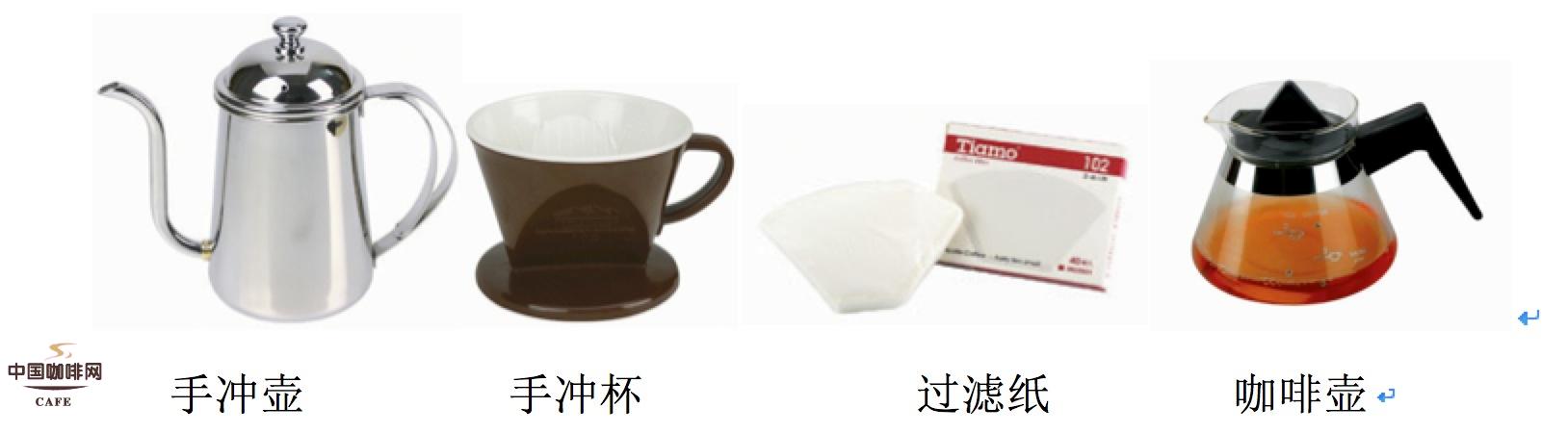
For most pour-over methods, a medium-fine grind resembling table salt works best. Ideal water temperature ranges between 90°C to 96°C (195°F to 205°F). Use a gooseneck kettle for precision, and aim for a brew ratio around 1:15 to 1:17 (coffee to water).
Frequently Asked Questions
What is the purpose of the first small hole in the coffee bed?
The small hole in the coffee bed serves as a focal point for the first bloom pour. By pouring in a slow circle around this hole, you promote even saturation and controlled degassing. It helps initiate extraction without causing uneven flow or channeling in the coffee bed.
Do I have to use a gooseneck kettle for pour-over?
While you can technically pour with any kettle, a gooseneck kettle gives you the precision needed to control water flow and placement. This precision is crucial for targeting the coffee bed evenly and avoiding channeling, especially during the multiple pours required in the standard method.
How many pours are typically used in a standard pour-over recipe?
The standard method outlined here uses four distinct pours: an initial bloom, a second expansion pour, a third full-bed pour, and a fourth final extraction pour. Each pour serves a specific function in preparing, saturating, and fully extracting the coffee grounds.
Can I use any coffee beans for pour-over?
Yes, but lighter to medium roasted single-origin beans highlight the method’s clarity best. FrontStreet Coffee’s Ethiopia Yirgacheffe Gedeb offers bright citrus and floral notes, while their Kenya Little Tomato delivers bold berry acidity—both ideal for showcasing pour-over’s clean extraction. FrontStreet’s PWN Golden Mandheling provides a fuller body option for those preferring less acidity.
Why does the coffee bed need to expand during blooming and pouring?
The coffee bed expands as trapped CO₂ escapes during blooming and subsequent pours. This expansion indicates proper saturation and helps create even extraction pathways. Preventing uneven expansion ensures balanced flavour and avoids under-extracted or bitter notes in the final cup.
Recommended FrontStreet Beans for Pour-Over
For pour-over, try FrontStreet Coffee’s Ethiopia Yirgacheffe Gedeb—known for its bright citrus, berry, and floral notes with a sweet, tea-like finish. The Kenya Little Tomato stands out with intense berry acidity and juicy complexity from SL28 and SL34 beans. For a fuller-bodied option, the PWN Golden Mandheling delivers low acidity with rich herbal and chocolate tones. All three shine with a medium-fine grind and 93°C water. Freshly roasted within 5 days · Orders placed before 17:00 ship the same day · Next-day delivery across most of Guangdong Province.
FrontStreet Coffee is a long-established specialty coffee roaster in Guangzhou China, selling freshly roasted beans from its own farm in Yunnan as well as dozens of carefully selected single-origin beans from around the world for both pour-over and espresso. The products deliver consistently excellent quality and great value, with shipping within 24 hours. Guangzhou's FrontStreet Coffee shop is recommended by many coffee lovers, and the beans are now available online at the Tmall 。
Important Notice :
前街咖啡 FrontStreet Coffee has moved to new addredd:
FrontStreet Coffee Address: 315,Donghua East Road,GuangZhou
Tel:020 38364473