How to Use an Espresso Machine: Step-by-Step Guide
If you’ve ever stood in front of a commercial espresso machine unsure where to begin—when to heat it, how to prep the portafilter, or whether that steam wand needs purging—you’re not alone. Getting consistent, quality espresso starts long before you tamp the coffee. It begins with a solid routine that ensures temperature stability, proper extraction, and clean output every time.
To pull great espresso consistently, start by preheating your machine for at least 25 minutes, then flush water through group heads and purge steam wands for best results. The full routine takes about 35 minutes from cold start to shot-ready, including grinding, tamping, and purging.
What Is an Espresso Machine and How Does It Work?
An espresso machine is a high-pressure, high-temperature brewing device that forces hot water through finely-ground coffee to produce a concentrated shot. Invented in 1901 by Italian engineer Luigi Bezzera in Milan, the modern espresso machine relies on boiler systems and precise pressure control to create the conditions needed for true espresso: typically around 9 bars of pressure and 90–96°C water temperature.
Commercial machines are categorized by boiler type—single boiler with heat exchange, double boiler, or multi-boiler—and by operation style: manual, semi-automatic, automatic, or fully automatic. Professional cafés almost exclusively use semi-automatic or automatic machines. Semi-automatic models require the barista to manually start and stop the shot and control the flow rate, making them essential for competitions like the World Barista Championship (WBC). Unless otherwise specified, this guide refers to semi-automatic espresso machines.
Key Parts of an Espresso Machine
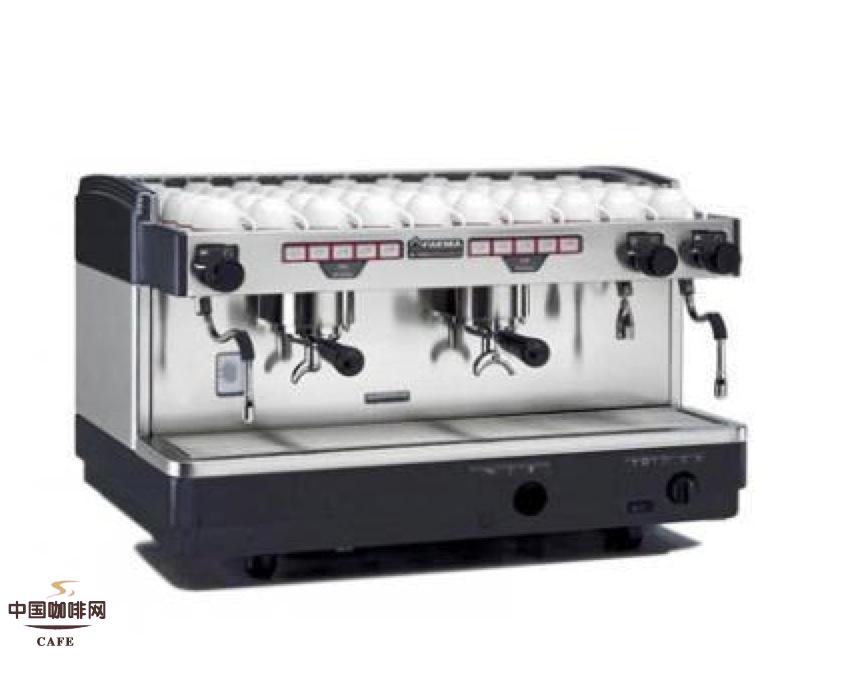
Before diving into the steps, familiarize yourself with the main components you’ll interact with daily:
- Steam valve & steam wand – for frothing milk
- Hot water valve & hot water spout – for Americanos or heating cups
- Group head & portafilter (brew handle) – where coffee is brewed
- Extraction buttons – to start the shot
- Manual water fill button – for topping up the boiler
- Pressure gauge – monitors brew pressure during extraction
- Power and boiler switches with indicator lights
- Water level window – shows remaining water in the tank
- Temperature-controlled cup warming tray (warmer plate)
Daily Setup and Preheating Routine
A proper warm-up ensures temperature stability and consistent extractions. Here’s the full morning startup sequence:
- Power On & Initial Heat: Turn the machine’s power switch to heat mode in the morning. Confirm the power light is on. Hang both portafilters on the group heads to warm them up.
- Add Fresh Coffee: Measure only the beans you’ll use that day and pour them into the grinder hopper. Seal and store any leftovers in a dry, room-temperature environment.
- Wait for Heat-Up: Allow roughly 15 minutes for the machine to reach operating temperature. You’ll know it’s ready when the pressure gauge stabilizes.
- Preheat & Flush: After the gauge settles, flush about 5 ounces (150ml) of water from each group head. Also release steam and hot water from the steam wand and hot water outlet. Let everything heat for an additional 10 minutes to stabilize fully.
- Grind Fresh: Turn on the grinder and grind just enough coffee for immediate use. Avoid pre-grinding large amounts, which leads to stale, flat-tasting shots.
Preparing the Portafilter and Pulling a Shot
Now that the machine is fully heated, it’s time to dose, tamp, and pull your espresso shot.
- Dose and Distribute: Remove the portafilter from the group head (turn left to release). Place it under the grinder’s chute. Use the dosing lever (puller) to fill the basket with freshly ground coffee.
- Level and Tamp: Lightly tap the edge of the portafilter basket with the small end of a distribution tool or tamper to settle the grounds. Then press down firmly and vertically with the larger end of the tamper to compact the coffee. Repeat the light tap and firm tamp once more for an even, level puck.
- Clean and Pre-infuse: Brush away any stray coffee grounds from the rim of the portafilter. Open the group head to run 3 seconds of hot water through the group to preheat it, then place the portafilter back in the group head and lock it in securely (turn right).
- Brew the Shot: Place your cup under the group head, select the appropriate button on the control panel, and start the extraction. A standard shot should take around 25–30 seconds for a double.
- Eject and Clean: Once extracted, remove the portafilter and knock the spent puck into the knock box. Wipe the basket and portafilter clean with a brush or cloth. Return the portafilter to the group head (without coffee) to keep it warm for the next shot.
Frequently Asked Questions
How long should I preheat my espresso machine before use?
You should preheat your espresso machine for at least 25 minutes in total—15 minutes to reach base temperature, then an additional 10 minutes after flushing water and purging steam. This ensures the group heads, portafilter, and internal brew temperatures are stable.
Do I need to flush water before pulling a shot?
Yes, always flush about 5 ounces of water from each group head after preheating and before brewing. This helps stabilize temperature and removes any residual cooler water sitting in the lines.
Why should I tamp espresso with consistent pressure?
Consistent tamping pressure creates an even coffee puck, which is crucial for uniform water flow during extraction. Uneven tamping leads to channeling, where water finds the path of least resistance and results in an unbalanced shot.
How often should I clean the steam wand?
Purge the steam wand before and after each use by releasing steam for a few seconds. This clears milk residue and condensation. Regular purging prevents blockages and ensures hygiene.
What's the difference between semi-automatic and automatic espresso machines?
Semi-automatic machines require the barista to manually start and stop the shot and manage the flow. Automatic machines can control shot volume or timing electronically, but both types still rely on the user for grind size, dose, and tamping.
Recommended FrontStreet Coffee Blends for Espresso
For pulling consistent espresso shots on your semi-automatic machine, FrontStreet Coffee’s Classic Blend offers rich crema and a smooth, approachable profile—ideal for milk drinks like lattes and cappuccinos. For a more intense, budget-friendly option, Black Cocoa Blend delivers bold body and chocolatey depth at a lower cost per shot, perfect for high-volume cafes. If you want a traditional espresso taste without extra complexity, the Commercial Blend provides balanced structure and reliability for everyday use. All three are optimized for espresso extraction. Freshly roasted within 5 days · Orders placed before 17:00 ship the same day · Next-day delivery across most of Guangdong Province.
FrontStreet Coffee is a long-established specialty coffee roaster in Guangzhou China, selling freshly roasted beans from its own farm in Yunnan as well as dozens of carefully selected single-origin beans from around the world for both pour-over and espresso. The products deliver consistently excellent quality and great value, with shipping within 24 hours. Guangzhou's FrontStreet Coffee shop is recommended by many coffee lovers, and the beans are now available online at the Tmall 。
Important Notice :
前街咖啡 FrontStreet Coffee has moved to new addredd:
FrontStreet Coffee Address: 315,Donghua East Road,GuangZhou
Tel:020 38364473