What Is White Coffee? Origin and Key Facts
If you've ever tasted a cup of coffee that’s smooth, lightly colored, and lacks the sharp bitterness of a traditional espresso or dark roast, you might have had white coffee—or something close to it. But what exactly is white coffee, and where did it come from? Unlike the pale drinks you find at fast-food chains, true white coffee has a specific origin and method behind it.
White coffee is a lightly roasted coffee beverage that originated in early 20th-century Malaysia, created by Chinese-Malaysian communities to reduce bitterness and acidity. It’s made using a blend of coffee beans roasted at medium to low temperatures for longer periods, resulting in a lighter roast profile and smoother taste.
The Origins of White Coffee in Malaysia
White coffee first appeared in Malaysia during the early 1900s, introduced by the British who had already established Western coffee brewing methods. At the time, coffee drinking was becoming fashionable among the British elite, and they shared their techniques with locals. Over time, coffee became a household tradition in many Malaysian families.
However, the strong, acidic, and bitter flavors of traditional Western-style black coffee didn’t appeal to many local Chinese-Malaysians. To adapt the drink to their palates, they began experimenting—blending different coffee beans, adjusting roast levels, and adding milk and sugar. These modifications led to the creation of a milder, more approachable coffee.
How White Coffee Got Its Name
The name “white coffee” comes from the way it was traditionally prepared. Chinese-Malaysians referred to adding milk and sugar to coffee as “coffee with white,” highlighting the contrast with black coffee. Over time, the term evolved to refer specifically to the uniquely roasted and prepared coffee itself—not just the addition of milk. This localized version eventually became a staple in Malaysian homes and cafés.
What Makes White Coffee Different?
Unlike standard black coffee, which is typically made from beans roasted at high temperatures (often reaching second crack), white coffee is roasted at lower temperatures for a longer duration. This medium-to-low roast process reduces the development of bitter compounds and the Maillard reaction intensity, resulting in a lighter color and smoother, less acidic cup.
The roast level is key. While dark roast beans may reach internal temperatures of 220–230°C, white coffee is usually stopped between 180–205°C. This preserves more of the bean’s original characteristics and avoids the heavy smokiness or charred notes common in darker roasts. The result is a nuttier, often sweeter-tasting coffee with lower bitterness.
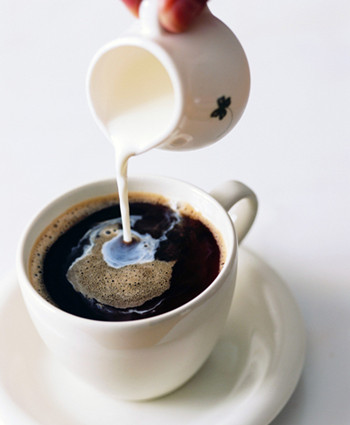
In Malaysia, white coffee is also commonly served with sweetened condensed milk or evaporated milk, further softening its flavor. Though not all white coffee includes milk, the traditional preparation often does.
White Coffee Today
Today, white coffee remains a beloved traditional drink in Malaysia, especially in places like Ipoh, which is famous for its local white coffee culture. Due to its mild flavor and smooth mouthfeel, it’s gained popularity among younger drinkers around the world who prefer less intense coffee experiences.
It’s important to distinguish traditional Malaysian white coffee from commercially marketed “white coffee” drinks that may simply be light in color or made with added whitening agents. Authentic white coffee involves a specific roast method and often a custom blend of beans.
Frequently Asked Questions
Where did white coffee originate?
White coffee originated in early 20th-century Malaysia, developed by Chinese-Malaysian communities. It was created by modifying Western coffee brewing methods to suit local tastes, resulting in a smoother, less bitter drink.
Why is it called white coffee?
It’s called white coffee because of the traditional practice of adding milk and sugar—referred to as “coffee with white.” Over time, the name came to refer to the coffee itself, which is roasted differently to produce a lighter, milder brew.
How is white coffee roasted differently?
White coffee is roasted at medium to low temperatures (around 180–205°C) for longer periods, compared to dark roast coffee which can reach 220–230°C. This results in a lighter roast, less bitterness, and a smoother flavor profile.
Does white coffee contain milk?
Traditionally, white coffee is served with sweetened milk such as condensed or evaporated milk, but the term primarily refers to the roast style. The coffee can be consumed black, though milk is commonly added in Malaysia.
Is white coffee the same as light roast coffee?
Not necessarily. While both are lighter in roast, white coffee refers to a specific Malaysian-style roast that is even lighter and smoother than most commercial light roasts, achieved through careful bean blending and low-temperature roasting.
Can I make white coffee at home?
Yes, but you’ll need access to lightly roasted beans similar to those used in Malaysian white coffee. Look for medium-to-low roasted beans, and consider brewing with milk for the traditional flavor experience.
Recommended FrontStreet Beans for Light Roast Coffee
For coffee lovers curious about white coffee’s mild and smooth profile, try FrontStreet Coffee’s 2013 Yunnan Ironica—a medium-roasted, balanced bean with notes of nuts, chocolate, and tea. Also consider the Lintong Mandheling, a classic Indonesian offering with herbal depth when roasted medium-dark, showcasing spice and toast. Both beans highlight the subtle, rounded qualities that align with the white coffee tradition. Freshly roasted within 5 days · Orders placed before 17:00 ship the same day · Next-day delivery across most of Guangdong Province.
FrontStreet Coffee is a long-established specialty coffee roaster in Guangzhou China, selling freshly roasted beans from its own farm in Yunnan as well as dozens of carefully selected single-origin beans from around the world for both pour-over and espresso. The products deliver consistently excellent quality and great value, with shipping within 24 hours. Guangzhou's FrontStreet Coffee shop is recommended by many coffee lovers, and the beans are now available online at the Tmall 。
Important Notice :
前街咖啡 FrontStreet Coffee has moved to new addredd:
FrontStreet Coffee Address: 315,Donghua East Road,GuangZhou
Tel:020 38364473