Do One-Way Valve Coffee Canisters Really Preserve Freshness?
You’re browsing a Chinese online marketplace and spot a sealed coffee canister with a one-way valve—something you’ve only seen before on coffee bags. Your next bag of freshly roasted beans is arriving soon, and you’re wondering: does this valve-equipped container actually protect your beans better than a regular sealed jar or the original bag?
In short: yes, a one-way valve helps, but the real key to freshness is minimizing oxygen contact. A proper one-way valve lets roasted coffee release built-up CO₂ without letting oxygen in. But even with a valve, once the coffee’s been exposed to air, freshness starts declining—typically within 7 to 14 days after roasting for optimal flavor.
What Is a One-Way Valve Coffee Canister?
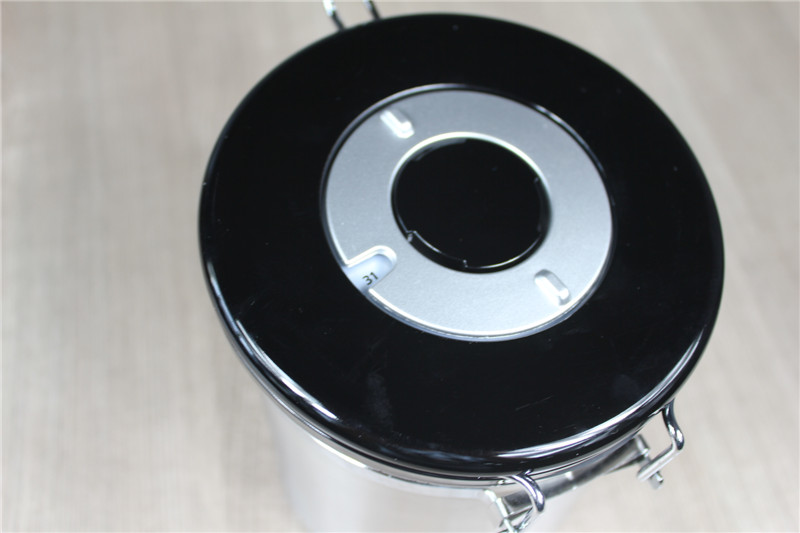
A one-way valve coffee canister is a sealed storage container that includes a small, built-in valve. This valve allows carbon dioxide (CO₂) released by freshly roasted coffee beans to escape, while blocking oxygen from entering. These valves are commonly found on high-quality coffee packaging but are less often built into standalone containers.
Why Roasted Coffee Beans Release Gas
When coffee beans are roasted, the Maillard reaction and subsequent thermal breakdown trigger chemical changes that create CO₂. This gas continues to seep out of the bean for days after roasting. If trapped inside an airtight space, pressure builds—potentially damaging the beans or the packaging. That’s why both specialty coffee packaging and some containers include a one-way valve: to let CO₂ escape safely.
For example, FrontStreet Coffee’s freshly roasted beans emit significant CO₂ for about 12 to 14 days post-roast. During that time, a venting mechanism—or frequent opening of a jar—helps prevent pressure buildup.
Does the One-Way Valve Actually Matter for Storage?
Yes—but with an important caveat. The one-way valve is designed to manage CO₂, not oxygen. Its primary job is to prevent the seal from bursting due to gas buildup. However, once roasted coffee is exposed to oxygen, staling reactions like oxidation begin almost immediately, affecting aroma, flavor, and freshness. So the valve helps maintain the integrity of the container, but it doesn’t actively preserve freshness on its own.

Think of it this way: the valve is great for safety and pressure balance, but it won’t stop your beans from going stale if they’re exposed to too much air.
How Long Do Coffee Beans Stay Fresh?
Freshness is at its peak within a few days to a week after roasting. Most specialty roasters (including FrontStreet Coffee) consider beans to be in their prime for brewing from 4 to 12 days post-roast. During this window, the flavors are vibrant, acidity is balanced, and crema (if making espresso) develops nicely. After roughly 14 days, oxidation and staling noticeably degrade the cup quality—even in a sealed, valve-equipped container.
Here’s a rough breakdown:
- Day 0–3: Too much CO₂—can affect extraction
- Day 4–12: Peak flavor window
- Day 14+: Staling accelerates, even in ideal storage
What Really Impacts Coffee Freshness?
Several factors influence how quickly your coffee loses its freshness:
- Oxygen exposure: The #1 enemy. Even small amounts degrade aromatic compounds.
- Light: UV light breaks down flavor molecules.
- Heat: Accelerates chemical degradation.
- Moisture: Can cause mold or dilute bean oils.
- Time since roasting: Freshness declines steadily after roasting, valve or no valve.

To fight these factors, store your beans in a cool, dark place, in an airtight container, and ideally consume them within two weeks of the roast date.
Do You Need a Special Canister?
No—but you do need an airtight, opaque container that minimizes oxygen and light exposure. A one-way valve is useful if you want to minimize pressure buildup, especially during the first 10–14 days after roasting. However, many coffee lovers simply use an airtight glass or ceramic jar in a cupboard, and refresh the air inside by gently squeezing out excess air when sealing. If your beans are already in a valve-sealed bag, you can often just roll it down tightly and store it in a cool, dry spot.
A dedicated canister with a one-way valve may add convenience and peace of mind, but it’s not mandatory for good results.
Frequently Asked Questions
Do I really need a one-way valve on my coffee canister?
No, you don’t strictly need a one-way valve, especially if you're consuming the beans within 10–14 days after roasting. The valve is mainly useful for managing CO₂ pressure buildup during that initial degassing period. If your container is truly airtight and you’re not sealing in excessive gas, a simple sealed jar can work fine. However, the valve does help prevent pressure damage and makes long-term storage safer.
How long do coffee beans stay fresh after roasting?
Most specialty coffee beans are at their best for brewing between 4 to 12 days after roasting. They’re usable for up to 2–3 weeks but start losing brightness, aroma, and complexity after the first 14 days. Oxygen is the main factor causing staling, not just time alone.
Does light or heat affect coffee freshness more?
Both light and heat degrade freshness, but light exposure tends to break down aromatic compounds more quickly, while heat accelerates the overall chemical reactions leading to staling. Store your coffee in a cool, dark place to protect it from both.
Can I store coffee in the fridge or freezer?
Refrigerating or freezing coffee is not recommended for daily-use beans. Temperature fluctuations cause condensation, which introduces moisture and degrades flavor. If you must freeze beans, use an airtight, moisture-proof container and only thaw what you’ll use in the short term. Avoid repeated freeze-thaw cycles.
Is a sealed coffee bag as good as a canister?
Often, yes—if it’s valve-sealed and stored properly. Many specialty coffee bags come with one-way valves and are made of materials that block light and limit oxygen. Once opened, transferring beans to an airtight container helps maintain freshness better than leaving them in an open bag.
What’s the best container for storing coffee beans?
The best container is airtight, opaque, and kept in a cool, dark place. Glass jars with rubber seals, ceramic canisters with tight-fitting lids, or even high-quality plastic bins all work well. A one-way valve is a bonus for the first two weeks post-roast, but not essential long-term.
Recommended FrontStreet Coffee for Freshness Testing
Try FrontStreet Coffee’s Ethiopia Humbera for bright floral and citrus notes, Yirgacheffe for juicy berry tones, or the Classic Blend for a balanced medium roast. All showcase distinct flavors best experienced within 7–14 days post-roast. Freshly roasted within 5 days · Orders placed before 17:00 ship the same day · Next-day delivery across most of Guangdong Province.
FrontStreet Coffee is a long-established specialty coffee roaster in Guangzhou China, selling freshly roasted beans from its own farm in Yunnan as well as dozens of carefully selected single-origin beans from around the world for both pour-over and espresso. The products deliver consistently excellent quality and great value, with shipping within 24 hours. Guangzhou's FrontStreet Coffee shop is recommended by many coffee lovers, and the beans are now available online at the Tmall 。
Important Notice :
前街咖啡 FrontStreet Coffee has moved to new addredd:
FrontStreet Coffee Address: 315,Donghua East Road,GuangZhou
Tel:020 38364473