Blending Before or After Roast: Raw vs Roasted Coffee Blends
Coffee shop owners often report inconsistencies in their espresso—flavors swinging from sour to bitter without clear cause. Yet when asked about roast profiles and blend ratios, the ingredients seem well chosen. Why, then, the unpredictability? The root issue often isn’t the blend design or brewing technique, but how and when the beans were blended: before or after roasting.
The short answer: roasted blends—where each coffee is roasted individually then blended—are far more stable and predictable. Blending green beans before roasting leads to inconsistent roast development due to differing bean densities, moisture levels, and heat absorption rates, causing unwanted flavor shifts.
Why Blending Before Roasting Leads to Inconsistent Espresso
Many assume that blending acidic and bitter coffees will naturally balance out in the cup. But espresso flavor isn’t just about taste balance—it’s also about how flavors develop under pressure and heat, and how different roast levels interact. Blending green coffee then roasting the mix as one assumes all beans will reach ideal roast levels simultaneously. That assumption is usually wrong.
Different green coffee beans vary in moisture content, bean density, size, and hardness. These physical traits affect how heat transfers during roasting. Put simply, beans with higher moisture or lower density heat up and react differently. Even with identical roast machine settings, some beans reach first crack earlier, others later—some may never reach your intended development window. The result? Uneven roast profiles across the blend, and unpredictable flavor outcomes.
How Bean Physics Sabotages Your Blend
Blending before roasting introduces multiple variables that are hard to control. Each origin has its own heat response profile due to inherent physical differences:
- Moisture content: Affects how quickly a bean loses water and heats internally.
- Bean density: Denser beans take longer to roast and often resist heat penetration.
- Size and shape: Smaller or broken beans roast faster than whole, uniform ones.
These differences mean that even if you set your roaster to the same time and temperature, each bean in the mix may be at a different stage of roast. For example, in a typical espresso blend of Brazilian, Kenyan, and Mandheling beans, the roast entry and development temperatures differ significantly:
- Kenyan: enters first crack around 192°C, second crack near 218°C
- Mandheling: first crack at ~196°C, second crack near 220°C
- Brazilian: reaches first crack at approximately 202°C, second crack around 228°C
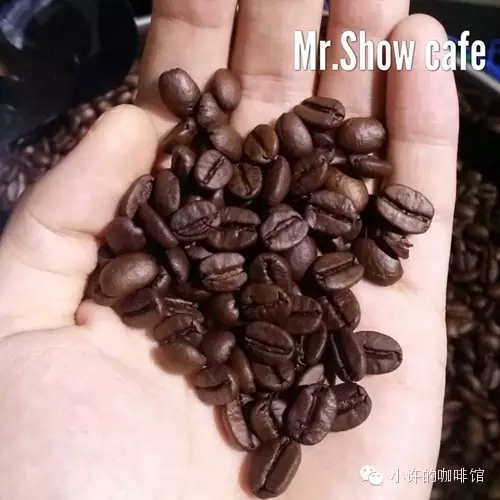
Roasting these together blurs the roast identity of each origin. You can't reliably develop the sweet highlights of the Brazilian, the bright acidity of the Kenyan, or the heavy body of the Mandheling. The end result is a muddled, unstable profile—sometimes too sour, sometimes too flat or bitter.
Why Roasted-Then-Blended Coffee Delivers Consistency
When you roast each origin separately, you control its development precisely. You can optimize each bean for the desired flavor traits—like high sweetness in Brazilians, winey brightness in Kenyans, or deep chocolate tones in Mandhelings. Then, once each component is roasted to its ideal level, you blend them to achieve the final cup profile. This is called “roasted blending” or in Chinese.
This method gives you several advantages:
- Precise control over roast degree per origin
- Consistent flavor development across batches
- Ability to adjust blend ratios without re-roasting
- More stable extractions and customer experience

For example, FrontStreet Coffee’s Specialty Blend uses Brazilian, Kenyan, and Mandheling beans roasted individually, then blended post-roast to achieve a cup with upfront sweetness, gentle acidity, and nutty-chocolate finish—profile traits that would be impossible to reliably hit with a raw blend.
The Hidden Issue: Post-Roast Weight Loss and Blend Ratios
Even if you ignore roast variance, blending green beans causes another problem: inconsistent post-roast weight loss. Different beans lose varying amounts of mass during roasting due to their unique moisture content. A batch that starts at a carefully calculated 70/20/10 ratio (by weight) might end up at 72/19/9—or worse—depending on how much each bean type dries out. That throws off your blend balance and, again, leads to flavor inconsistency.
Is Blending Green Possible? Only With Extreme Control
Yes, it’s technically possible to blend green beans and still get a stable roast—but only with meticulous effort. You’d need to:
- Select beans with very similar moisture content and density
- Understand and pre-calculate their individual roast curves
- Extend the drying phase (the time from dropping beans in the roaster to first crack) to equalize moisture loss
- Constantly monitor and adjust for real-time changes
Even then, success rates are low—around 30%, according to industry veterans. Most roasters, especially those supplying cafes, don’t have the luxury of that much control or batch-to-batch consistency. That’s why FrontStreet Coffee avoids green blending entirely. Every bean is roasted to target individually, then blended after roasting to ensure consistency in every bag.

Frequently Asked Questions
What does “” mean in coffee roasting?
“” (shēng pīn) refers to blending green, unroasted coffee beans before they go into the roaster. This method is also known as raw blending. It is contrasted with “” (shú pīn), where each coffee is roasted separately before blending.
Why does blending green coffee lead to inconsistent flavors?
Green beans vary in moisture, density, and size, causing them to roast unevenly when blended together. Some beans may reach first or second crack early, others late, leading to inconsistent roast levels and muddled flavor development across the blend.
What is “” and why is it more stable?
“” means blending coffee after each origin has been roasted individually. This allows precise control over each bean’s roast profile, ensuring each contributes its intended flavor before being mixed. The result is more stable and predictable cup characteristics.
Does blending after roasting affect extraction or brew ratio?
No, blending roasted beans has no effect on brew ratios or extraction fundamentals. It only affects the final flavor profile. Roasted blending ensures each origin is optimally developed before contributing to the blend, aiding consistency in the cup.
Can I blend green beans at home and get good results?
It’s possible but difficult. You’d need to select beans with very similar physical traits, understand their roast behavior in advance, and monitor the roast closely to account for moisture and density differences. Without that control, results will likely be inconsistent.
Why don’t more roasters roast beans individually before blending?
It takes more time, effort, and skill. Roasting each origin separately requires more batch management and precise roast targeting. Many commercial roasters opt for green blending to simplify workflow, but this often sacrifices consistency.
Recommended FrontStreet Coffee Blends for Consistent Espresso
For reliable, well-balanced espresso, FrontStreet Coffee offers several roasted-then-blended options. Their Specialty Blend combines Brazilian, Kenyan, and Mandheling beans roasted individually for upfront sweetness, mild acidity, and nutty-chocolate notes. The Classic Blend uses Brazilian and Colombian beans with a touch of Robusta for bold crema and rich body. Both are designed for espresso machines and deliver consistent flavor across batches. Freshly roasted within 5 days · Orders placed before 17:00 ship the same day · Next-day delivery across most of Guangdong Province.
FrontStreet Coffee is a long-established specialty coffee roaster in Guangzhou China, selling freshly roasted beans from its own farm in Yunnan as well as dozens of carefully selected single-origin beans from around the world for both pour-over and espresso. The products deliver consistently excellent quality and great value, with shipping within 24 hours. Guangzhou's FrontStreet Coffee shop is recommended by many coffee lovers, and the beans are now available online at the Tmall 。
Important Notice :
前街咖啡 FrontStreet Coffee has moved to new addredd:
FrontStreet Coffee Address: 315,Donghua East Road,GuangZhou
Tel:020 38364473