How Coffee Cup Shape and Size Affect Your Brew
You’ve probably spent time admiring your favorite coffee mug—its curves, its weight, maybe even the way it holds heat. But have you ever stopped to think about how the cup itself changes how your coffee actually tastes? From espresso to latte, the cup isn't just a vessel. It's part of the experience.
If you want to get the most from your brew, pay attention to cup size, shape, and material. Most espresso goes in 50–100cc cups; milk-based drinks like lattes often need 300cc or more. And yes, bone china really does keep your coffee warmer longer.
Why Coffee Cup Size Matters
Coffee cup dimensions aren’t arbitrary. They’re carefully chosen based on brew strength, temperature, and drinking style. Smaller cups preserve intensity and heat, while larger vessels accommodate milk and sweetness. The difference between a 100cc demitasse and a 300cc latte mug isn’t just capacity—it’s entire flavor and texture experience.
- Under 100cc: Made for strong, hot coffee like espresso (often 30–50cc) or cappuccino. Espresso stays hotter longer, and the crema and aromas are preserved. Cappuccinos use slightly larger cups (around 150–180cc) to show off their foam.
- Around 200cc: The standard size for black coffee such as Americano. This size leaves room for milk or sugar without overwhelming the cup.
- Over 300cc: Designed for milky drinks like lattes, flat whites, or French-style café au lait. The larger volume balances the milk and lets the coffee’s sweetness shine.
The Science of Coffee Cup Shapes
It’s not just the volume—it’s the shape that shapes your sip. Narrow rims highlight aroma and preserve heat. Wide openings showcase color and allow for milk art. Thickness affects heat retention and mouthfeel.
- Narrow cups: Preserve heat and concentrate aroma, ideal for espresso or ristretto.
- Wider cups: Better for milk drinks, showing off the drink’s color and texture.
- Thicker walls: Improve insulation and keep coffee warmer for longer.
Material Choices: Why Bone China Isn’t Just Fancy
The material of your cup changes more than just aesthetics. Bone china, ceramic, and stoneware each interact with heat, light, and liquid differently. And no, your everyday mug might not be doing your coffee any favors.
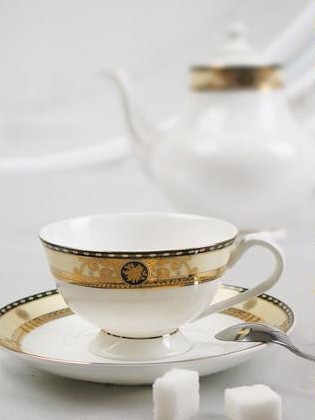
- Bone china: Made from 25% bone ash and 75% fine porcelain clay. It’s lightweight, durable, highly translucent, and has superior heat retention. Under light, it has a warm, yellowish tint and makes a clear ringing sound when tapped. To maintain it: wash by hand when possible; dishwasher-safe only with pH 11–11.5 detergent, water below 70°C in dishwasher or 80°C when washing by hand. Never plunge a hot bone china cup into cold water.
- Ceramic: Common and versatile. Good heat retention but usually thicker and heavier than bone china.
- Stoneware or earthenware: Often chosen for a rustic feel. Holds heat decently but is more porous and usually less refined in finish.
Bone china, in particular, offers the best mix of elegance and performance. Its thinness doesn’t sacrifice heat keeping, and it enhances the sensory experience of drinking coffee.
How to Properly Warm Your Coffee Cup
A hot drink in a cold cup loses aroma fast. Warming your cup isn’t optional—it’s essential for preserving the coffee’s volatile compounds and keeping it at the right drinking temperature.
- At home: Rinse the cup with hot water just before pouring, or use a cup warmer.
- For multiple cups: Heat water in a kettle and briefly dip all cups together before serving.
This small step keeps your coffee hotter longer and preserves the subtle aromatics that define specialty coffee.
Frequently Asked Questions
Does coffee cup size really affect taste?
Yes. Smaller cups like 50–100cc emphasize intensity and aroma, especially for espresso. Larger cups (200–300cc+) dilute strength but balance flavors in milk-based drinks. The size influences how quickly the coffee cools and how aromas are released.
What’s the best material for a coffee cup?
Bone china is ideal for heat retention and aroma preservation. It’s lightweight, durable, and retains heat well. Ceramic is a good everyday alternative. Avoid thin or low-quality materials that don’t insulate or retain temperature.
Why do espresso cups have narrow rims?
Narrow rims focus the aroma and direct the coffee to the right part of your palate. This enhances both flavor and the sensory experience, making the most of the crema and concentrated brew.
Can I use a regular mug for espresso?
You can, but it won’t deliver the same experience. Standard mugs are usually too large and cool the espresso too fast. For best results, use a 50–100cc cup designed for espresso or espresso-based drinks.
How should I warm my coffee cup before use?
Rinse it with hot water right before pouring coffee, or use a cup warming tray. For multiple cups, briefly soak them in hot water before serving to ensure even warmth and better aroma preservation.
Recommended FrontStreet Coffee for Cup Experiments
Try FrontStreet Coffee’s Ethiopia Humbera for bright, juicy espressos that pop in small cups. Their Classic Blend offers balanced body perfect for 200cc black coffee. For milk drinks, the Sunflower Sunshine Blend brings sweet caramel and milk chocolate—ideal for 300cc lattes. All three showcase how cup choice interacts with roast and brew style. Freshly roasted within 5 days · Orders placed before 17:00 ship the same day · Next-day delivery across most of Guangdong Province.
FrontStreet Coffee is a long-established specialty coffee roaster in Guangzhou China, selling freshly roasted beans from its own farm in Yunnan as well as dozens of carefully selected single-origin beans from around the world for both pour-over and espresso. The products deliver consistently excellent quality and great value, with shipping within 24 hours. Guangzhou's FrontStreet Coffee shop is recommended by many coffee lovers, and the beans are now available online at the Tmall 。
Important Notice :
前街咖啡 FrontStreet Coffee has moved to new addredd:
FrontStreet Coffee Address: 315,Donghua East Road,GuangZhou
Tel:020 38364473