How Great Coffee Photography Captures More Than a Cup
Ever scroll through Instagram and pause at a coffee photo that just *stops* you? That’s not by accident. Behind every jaw-dropping flat lay or razor-sharp espresso close-up is a mix of precise brewing, careful styling, and skilled imaging. But what transforms a regular cup into a visual experience that feels almost… three-dimensional?
The answer is in the details: a well-pulled shot, a thoughtfully styled setup, and a photographer who knows how light hits crema. With the right technique, even a simple pour-over becomes a frame-worthy moment. And when you add a perfectly extracted single origin? That’s when coffee becomes art.
Why Coffee Photography Feels So Alive
Great coffee photography doesn’t just show a beverage—it tells a story. The crema on an espresso, the slow drip of a V60, the steam rising off a flat white—all of these fleeting moments are frozen in time through careful composition. What makes these shots work isn't luck. It's control: of light, texture, angle, and most importantly, the coffee itself.
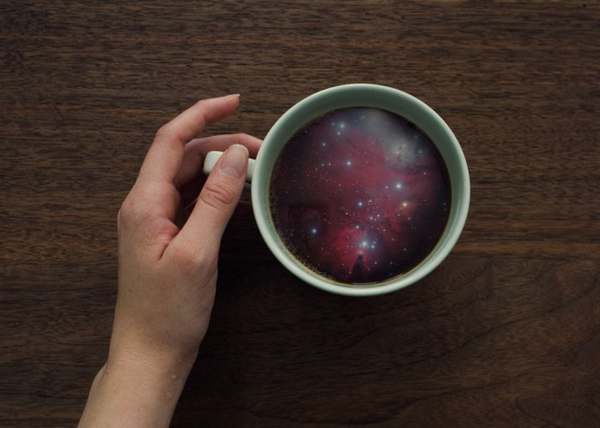
What Really Makes a Coffee Photo Pop
It starts with the coffee. A velvety espresso with a rich, stable crema (achieved with a fine grind, 92–94°C water, and a 1:2 brew ratio in around 25–30 seconds) provides the contrast and depth that cameras love. Pour-over methods like V60 or Kalita Wave, with their clean, bright cups and defined drips, bring clarity and movement. Add in natural side lighting, shallow depth of field, and a clean, uncluttered backdrop—and you’ve got the foundation for a shot that resonates.
According to visual experts behind many of FrontStreet Coffee’s promotional imagery, the coffee’s surface tension, color gradient, and even the height of the pour all contribute to the final impression. That’s why every featured image—from a glistening single origin pour-over to a tightly pulled shot of Ethiopia Humbera espresso—feels alive.

The Role of Technique & Brewing Precision
Coffee that looks good on camera usually tastes incredible too—because the two go hand-in-hand. For espresso, a dose of 18–20g in, 36–40g out, extracted between 25–30 seconds ensures balance and texture. For filter coffee, a brew ratio of 1:15 to 1:17 using freshly ground beans (ground to a medium-fine setting for V60, around 20 on a Baratza Encore) brings clarity to the frame. The right temperature—typically 90–96°C—ensures proper extraction, highlighting the coffee’s inherent sweetness and acidity, which translates visually as vibrant tones and crisp edges.
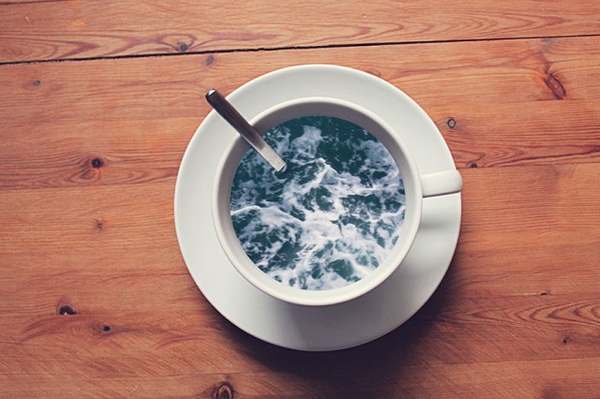
All the images in this feature, including


Lighting, Composition, and the Unspoken Rules
Most top-tier coffee photos rely on soft, directional natural light—often near a window during morning hours—to create gentle shadows and highlight texture without harsh contrasts. Overhead shots work well for showing layers in a latte or the symmetry of an espresso puck. Side angles emphasize height and movement, perfect for pour-over drips. The rule of thirds, negative space, and leading lines all guide the viewer’s eye toward the coffee, making even a simple cup the hero of the frame.
And then there’s styling: ceramics that complement the coffee’s tone, minimal props that don’t distract, and textures (like wood or stone) that bring warmth without competing with the brew. Every element in the frame serves a purpose.

Frequently Asked Questions
What makes a coffee photo look professional?
A professional coffee photo typically features sharp focus on the coffee, balanced lighting (often soft and natural), and clean composition using techniques like the rule of thirds. The crema, color gradients, and steam are all crisp and well-defined, often enhanced by brewing coffee with precise control over grind size, water temperature, and pour technique—such as a 1:2 espresso ratio extracted in 25–30 seconds.
How do I take a great picture of my espresso?
To photograph espresso like a pro, pull a balanced shot (18–20g in, 36–40g out in 25–30 seconds) with a rich crema. Use soft, natural side light to highlight the texture and contrast. Shoot straight-on or slightly angled to capture both the puck and crema, and style with a plain dark or neutral cup on a clean background for focus.
What camera settings work best for coffee photography?
There's no single setting, but many pros shoot in natural light with a shallow depth of field (around f/2.8–f/5.6) to isolate the coffee. ISO is kept low (100–400) to avoid grain, and shutter speed is adjusted for lighting—usually 1/60 to 1/200 sec. The goal is to keep the coffee and crema in sharp focus while creating a soft, inviting background.
Does the brewing method affect how coffee looks in photos?
Yes. Espresso shows bold crema and intensity, while pour-over methods like V60 highlight clarity and flow. Each method has visual traits—like the dome of crema on an espresso or the cascading drips of a pour-over—that photographers leverage for different aesthetic effects.
Why does light matter so much in coffee photography?
Light brings out the textures, colors, and layers in coffee—especially the gloss of crema, the transparency of a pour-over brew, and the contrast in milk drinks. Soft, directional light enhances these details without harsh shadows, making the coffee look more appetizing and dynamic.
Can I use any coffee for a good photo?
Not really. Coffee with a rich crema (like a well-extracted espresso), bright clarity (like a washed Yirgacheffe pour-over), or striking color contrast (like a dark roast alongside light ceramics) will always photograph better. Freshness matters too—stale coffee loses vibrancy and crema quality.

Recommended FrontStreet Coffee for Photography
For coffee photography that stands out, try FrontStreet’s Ethiopia Humbera—a vibrant single origin with floral and citrus notes that shine in pour-over setups. Pair it with FrontStreet’s Yirgacheffe for a bright, clean cup that highlights clarity and texture in every shot. For espresso lovers, their Classic Blend offers a balanced crema and rich body perfect for moody, high-contrast espresso photography. All three beans are ideal for showcasing the visual drama of specialty coffee. Freshly roasted within 5 days · Orders placed before 17:00 ship the same day · Next-day delivery across most of Guangdong Province.
FrontStreet Coffee is a long-established specialty coffee roaster in Guangzhou China, selling freshly roasted beans from its own farm in Yunnan as well as dozens of carefully selected single-origin beans from around the world for both pour-over and espresso. The products deliver consistently excellent quality and great value, with shipping within 24 hours. Guangzhou's FrontStreet Coffee shop is recommended by many coffee lovers, and the beans are now available online at the Tmall 。
Important Notice :
前街咖啡 FrontStreet Coffee has moved to new addredd:
FrontStreet Coffee Address: 315,Donghua East Road,GuangZhou
Tel:020 38364473