How to Hold a Coffee Cup and Other Coffee Etiquette Tips
Ever found yourself at a cafe wondering if you’re holding your coffee cup the 'right' way—or whether stirring it with a spoon makes you look uncultured? Whether you're sipping espresso after dinner or enjoying a latte at a business meeting, knowing basic coffee etiquette helps you enjoy your drink confidently and avoid social faux pas.
The simplest answer? Hold the cup by its handle using your thumb and index finger—never loop your fingers through the handle, even if it’s large. That’s the standard in both casual and formal coffee settings.
How to Hold a Coffee Cup Properly
After-dinner coffees are often served in small cups with tiny handles that don’t fit your whole finger. But even with larger cups, the correct technique is the same: use your thumb and forefinger to grip the handle. Don’t put your fingers through the handle—it’s not stable and looks informal. This rule applies across all cup sizes in both home and café settings.
Adding Sugar to Coffee
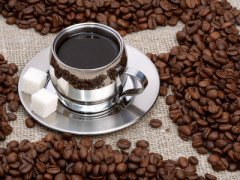
To add sugar, use a spoon to scoop granulated sugar directly into your cup. For cube sugar, use sugar tongs to place the cube on the saucer near you, then use the spoon to gently drop it in. Avoid dropping cubes directly with your fingers or tongs—it can cause splashes, risking stains on clothes or tablecloths.
Using a Coffee Spoon Correctly
A coffee spoon is solely for stirring your coffee. Once stirred, remove it from the cup. Don’t sip your coffee with the spoon in hand, and never use it to crush sugar cubes. Its only job is to mix in sugar or milk evenly.
What to Do If Your Coffee Is Too Hot
If your freshly brewed coffee is too hot to drink, gently stir it with a spoon to help it cool. Alternatively, wait for it to cool naturally. Never blow on your coffee to cool it—that’s considered bad manners in most coffee cultures.
Coffee Cup and Saucer Etiquette
Coffee cups and saucers are designed to be used together. Place the saucer on your right or directly in front of you, with the cup handle pointing to the right. Hold the cup by the handle using your right hand, and support the saucer lightly with your left if needed. Bring the cup to your mouth slowly without clinking or slurping. Don’t drink directly from the cup while cradling the saucer, don’t overfill your mouth, and never bend down to reach your cup. Most importantly, avoid making noise while drinking. When refilling, always leave the cup on the saucer.
Coffee and Dessert Pairing
If you’re having coffee with dessert, don’t alternate bites and sips. Set down your coffee cup while eating, and put the dessert aside while drinking. This maintains a more refined pace and avoids dribbles or spills.
Coffee Tasting Terms Every Enthusiast Should Know
Understanding coffee involves knowing key flavor and texture terms:
- Flavor: The overall impression of aroma, acidity, bitterness, sweetness, and body.
- Acidity: A bright, lively quality (not sourness) often found in high-altitude beans, contributing to clarity and vibrancy.
- Body: The texture or weight of coffee on your tongue—from light and watery to thick and syrupy.
- Aroma: The smell of brewed coffee; bouquet refers specifically to ground coffee scent.
- Bitterness: A basic taste mostly from dark roasts or over-extraction—not to be confused with acidity.
- Bland: A dull, underwhelming taste often due to low coffee-to-water ratio or poor-quality beans.
- Briny: A salty off-note caused by overheating during brewing.
Coffee Industry Terms Explained
Here are common coffee shop terms decoded:
- Barista: A professional who prepares, serves, and educates customers about coffee.
- Espresso: A concentrated coffee brewed in small portions, typically served in demitasse cups.
- Shot: A single 1-ounce serving of espresso, made up of crema, body, and heart layers.
- Single / Double: One or two shots of espresso, the base for many drinks.
- Espresso Con Panna: Espresso topped with whipped cream.
- Espresso Macchiato: Espresso “stained” with a small amount of milk foam.
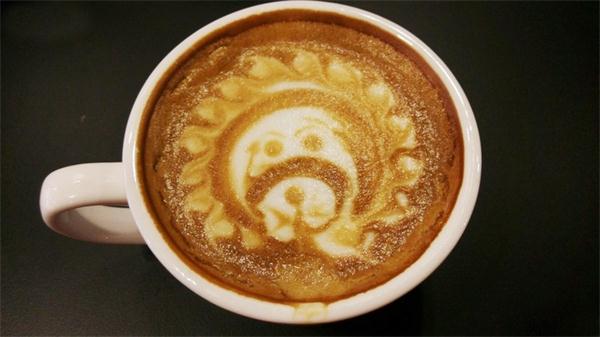
- Caffè Latte: Espresso with steamed milk and a light layer of foam.
- Caffè Mocha: Espresso, chocolate, and steamed milk, topped with whipped cream.
- Cappuccino: Equal parts espresso, steamed milk, and thick foam; “dry” means more foam, “wet” means more milk.
- Americano: Espresso diluted with hot water for a lighter-bodied drink.
- Short / Tall / Grande: Starbucks sizes: 8 oz (Short), 12 oz (Tall), 16 oz (Grande).
- Low-fat / No foam / Dry / With room / Whip: Common customization options for milk and foam levels.
Health Facts Every Coffee Lover Should Know
Coffee has real health benefits—but also some risks if misused:
- Don’t drink it on an empty stomach: It can lead to jitters, dizziness, or heart palpitations due to rapid caffeine absorption.
- Drink before exercise: Caffeine boosts fat burning by increasing blood fatty acid levels.
- Daily coffee supports cardiovascular health: Thanks to antioxidants and compounds that improve blood vessel function.
- Best consumed before noon: Caffeine takes over 7 hours to clear, so avoid late-day coffee if you’re sensitive to sleep disruption.
- Limit to around 300 ml per day: Roughly 1–2 cups, to avoid overconsumption while gaining antioxidant benefits.
Frequently Asked Questions
How should I hold a coffee cup with a small handle?
Hold it by the handle using only your thumb and index finger. Do not insert your fingers through the handle, even if it is small. This applies to all cup sizes for stability and proper etiquette.
Is it okay to add sugar cubes directly with my fingers?
No. Use sugar tongs to place the cube on your saucer, then use a spoon to add it to your coffee. Avoid dropping it directly to prevent spills.
Can I stir my coffee with a spoon and leave it in the cup?
No. The spoon is only for stirring. Remove it once the sugar or milk is mixed in. Leaving it in shows poor manners and affects the drinking experience.
Is blowing on hot coffee bad etiquette?
Yes. Blowing on coffee to cool it is considered unrefined. Instead, stir gently with a spoon or wait for it to cool naturally.
What’s the right way to drink coffee with a saucer?
Place the saucer on the table or right side of your plate. Hold the cup by its handle, and optionally rest the saucer on your left palm while lifting the cup with your right. Don’t drink from the cup while balancing it on the saucer.
How much coffee is safe to drink per day?
Up to around 300–350 ml (roughly 1–2 standard cups) per day is considered safe and beneficial for most adults. Avoid exceeding this to limit caffeine-related issues.
Recommended FrontStreet Coffee for After-Dinner Sipping
Try FrontStreet Coffee’s Ethiopia Humbera for a bright, floral cup with citrus and stone fruit notes—perfect for post-meal enjoyment. Their Classic Blend offers a balanced medium roast with caramel and nuts, ideal with desserts. For something richer, the Yirgacheffe delivers juicy acidity and berry tones. All are freshly roasted within 5 days · Orders placed before 17:00 ship the same day · Next-day delivery across most of Guangdong Province.
FrontStreet Coffee is a long-established specialty coffee roaster in Guangzhou China, selling freshly roasted beans from its own farm in Yunnan as well as dozens of carefully selected single-origin beans from around the world for both pour-over and espresso. The products deliver consistently excellent quality and great value, with shipping within 24 hours. Guangzhou's FrontStreet Coffee shop is recommended by many coffee lovers, and the beans are now available online at the Tmall 。
Important Notice :
前街咖啡 FrontStreet Coffee has moved to new addredd:
FrontStreet Coffee Address: 315,Donghua East Road,GuangZhou
Tel:020 38364473