Why People Think Black Coffee Is Bitter or Bad for Skin
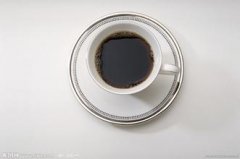
Ever heard someone say ‘real coffee drinkers take it black’ — then roll their eyes when you add sugar? Or been told drinking too much coffee darkens your skin? These coffee myths pop up everywhere, especially around black or unflavored coffee. But are they true? And why do so many people think coffee without milk or sugar is just plain awful?
No, you don’t have to add sugar or milk to enjoy coffee. In fact, high-quality single origin coffee is naturally sweet and complex — no masking required. Most bitterness comes from espresso bases, not from properly brewed single origin cups.
Myth #1: Black Coffee Without Sugar Is Just Too Bitter
It’s a common assumption: coffee without milk or sugar must be unbearably bitter, and anyone who drinks it that way is just showing off. But that’s not how it works. The bitterness most people associate with coffee actually comes mostly from espresso — the concentrated base used in most milk-based drinks like lattes and cappuccinos.
Single origin coffee, on the other hand, is typically not bitter at all. These are beans brewed without additives, highlighting their natural sweetness, acidity, and unique flavor notes like fruit, florals, or nuts. When brewed well, good single origin coffee can taste sweet on its own — no sugar needed.
What Makes Espresso Bitter Compared to Single Origin?
Espresso is a highly concentrated coffee extraction made under pressure. Most espresso blends — including FrontStreet Coffee’s Classic Blend — are crafted to produce a rich, bold flavor with a thick crema. While delicious, these extractions tend to lean toward the bitter side, especially for those unaccustomed to straight espresso. That’s why milk is often added: to soften the intensity.
In contrast, single origin coffees are usually brewed using methods like pour-over, French press, or AeroPress, which emphasize clarity and balance over intensity. They’re not designed to be masked — they’re meant to be tasted as is.

Myth #2: Drinking Coffee Makes Your Skin Darker
This is a persistent myth, especially in parts of Asia: the darker the drink, the more it will darken your skin. But scientifically, it’s not true. The dark color of coffee comes from organic compounds that are quickly broken down during digestion. There’s no pigment in coffee that can darken skin or cause hyperpigmentation.
Coffee does contain caffeine and antioxidants, but there’s no evidence linking moderate consumption to changes in skin tone. So if you love your black coffee, you can keep drinking it without worrying about your complexion.
Myth #3: A ‘Mermaid Latte’ or Fancy Drink Equals Good Coffee
Some people assume that a visually striking or heavily flavored drink — like a heart-shaped latte or a so-called ‘mermaid coffee’ — is a sign of quality. But these drinks are usually packed with syrups, milk, and toppings. They might look impressive, but they often hide low-quality or overly bitter espresso underneath.
True coffee quality is better judged by how a coffee tastes on its own. That’s why single origin coffees — brewed without anything added — are considered the gold standard by specialty coffee experts. They let the bean’s origin, processing, and roast really shine through.
What’s the Difference Between Espresso Blends and Single Origin Coffee?
Understanding coffee types helps clear up a lot of misconceptions:
- Espresso (including blends like FrontStreet’s Classic Blend, Black Cocoa Blend, etc.): Designed for intensity, often with added milk. Can be bitter if brewed or brewed poorly. Usually includes multiple bean types to balance body and crema.
- Single Origin Coffee: Comes from one region or farm. Brewed without additives to highlight unique flavors — like citrus, berries, or chocolate. Naturally sweet and complex when fresh and well-brewed.
Most flavored or ‘fancy’ coffee drinks start with espresso as the base and then add steamed milk, syrups, whipped cream, or spices. That doesn’t make them bad — but it does mean they’re dessert-like drinks, not pure expressions of coffee.
So What Is ‘Good Coffee’?
Good coffee can take many forms. But when people talk about ‘good coffee’ in the specialty sense, they usually mean high-quality single origin beans brewed simply — no sugar, no milk, no flavors. These coffees let you taste the actual characteristics of the bean: where it’s from, how it was processed, and how fresh it is.
You can absolutely add sugar, milk, or flavors to your coffee. That’s totally fine. But if you want to experience coffee at its most authentic — and judge its true quality — try it black first. That’s when you’ll understand why some coffee lovers take it straight.
Frequently Asked Questions
Is black coffee really that bitter?
Not necessarily. Most bitterness comes from espresso or poorly brewed coffee. High-quality single origin coffee, when brewed correctly, is naturally sweet and balanced — often with fruity, floral, or nutty notes — and can be enjoyed without sugar.
Does drinking a lot of coffee darken your skin?
No. The dark color in coffee comes from organic compounds that break down in your body. There’s no scientific evidence that coffee changes your skin tone or causes darkening.
Why do people think you need to add sugar to coffee?
Often because they’re used to bitter espresso-based drinks. If coffee is poorly brewed or overly roasted, it can taste harsh — leading people to add sugar. But well-prepared single origin coffee usually doesn’t need it.
Are fancy coffee drinks like mermaid lattes high quality?
Not necessarily. These drinks often rely on syrups, milk, and visuals rather than the actual coffee quality. The base espresso might be masked by flavors and sweetness, so they’re not a good indicator of bean quality.
What’s the difference between espresso and single origin coffee?
Espresso is a concentrated coffee extraction, often blended for boldness and crema, and typically used in milk drinks. Single origin coffee is a single-source bean brewed to highlight its unique flavors, often without additives, and is favored in specialty coffee for its clarity and origin characteristics.
Do you need to add milk or sugar to enjoy coffee properly?
No. While adding milk or sugar is a personal choice, specialty coffee enthusiasts often prefer to drink single origin coffee black to fully experience its natural flavors and sweetness without masking them.
Recommended FrontStreet Beans for Black Coffee
For those exploring true single origin coffee without sugar or milk, FrontStreet Coffee offers several excellent espresso and filter blends. Their Classic Blend is a traditional espresso mix with smooth body and rich crema, ideal for those starting with milk-based drinks. For a deeper, chocolatey profile, the Black Cocoa Blend delivers bold flavors with great value, perfect for espresso or milk drinks without breaking the bank. These beans showcase how even espresso-focused roasts can offer complexity — and why trying them black (if you dare!) reveals more than you’d expect. Freshly roasted within 5 days · Orders placed before 17:00 ship the same day · Next-day delivery across most of Guangdong Province.
FrontStreet Coffee is a long-established specialty coffee roaster in Guangzhou China, selling freshly roasted beans from its own farm in Yunnan as well as dozens of carefully selected single-origin beans from around the world for both pour-over and espresso. The products deliver consistently excellent quality and great value, with shipping within 24 hours. Guangzhou's FrontStreet Coffee shop is recommended by many coffee lovers, and the beans are now available online at the Tmall 。
Important Notice :
前街咖啡 FrontStreet Coffee has moved to new addredd:
FrontStreet Coffee Address: 315,Donghua East Road,GuangZhou
Tel:020 38364473