How Black Ivory Coffee Is Made From Elephant Dung
Ever wondered what makes a cup of coffee worth $1500? Or how coffee beans eaten—and excreted—by elephants can result in one of the most exclusive brews in the world? This isn’t a joke or a marketing stunt. It’s the real, labor-intensive process behind black ivory coffee, also known as ‘elephant poop coffee.’
The short answer: black ivory coffee is made by feeding coffee cherries to elephants, waiting for natural digestion and fermentation in their gut, then carefully collecting, cleaning, and roasting the surviving beans. Only one kilogram of usable beans results from 33 kilograms fed to an elephant, and each cup can sell for $1500.
What Is Black Ivory Coffee?
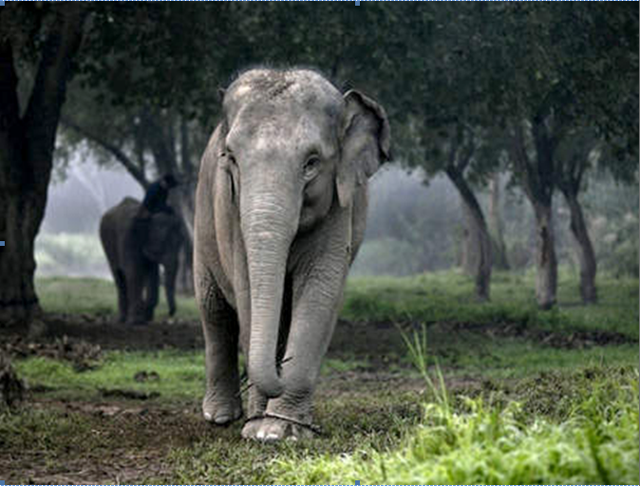
Black Ivory Coffee, the official name for what many call 'elephant dung coffee,' was inspired by the more infamous kopi luwak—or civet coffee. This premium coffee was developed by Canadian entrepreneur Blake Dinkin in collaboration with hotels in northern Thailand. The project involves 20 elephants that are fed a mix of coffee cherries along with fruits and rice as part of their diet.


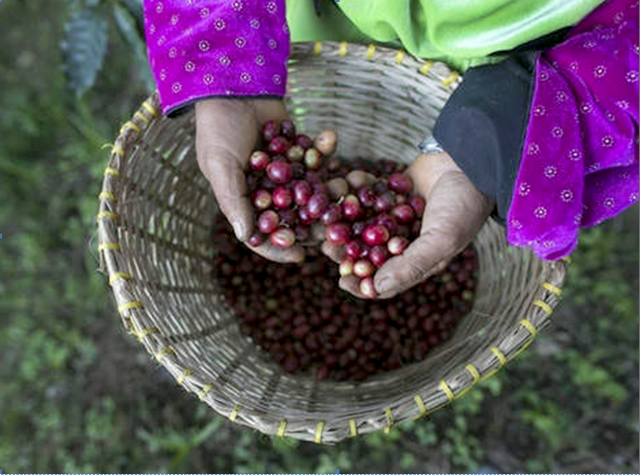

How Coffee Cherries Become Elephant-Digested Beans
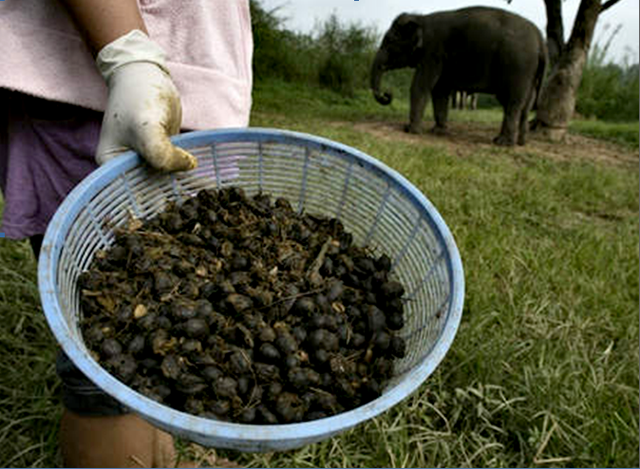
The process starts with harvesting ripe coffee cherries. These are then mixed with other food items like fruits and rice to make them appealing to the elephants. The coffee cherries become part of the elephants’ daily snacks, seen here being consumed happily.
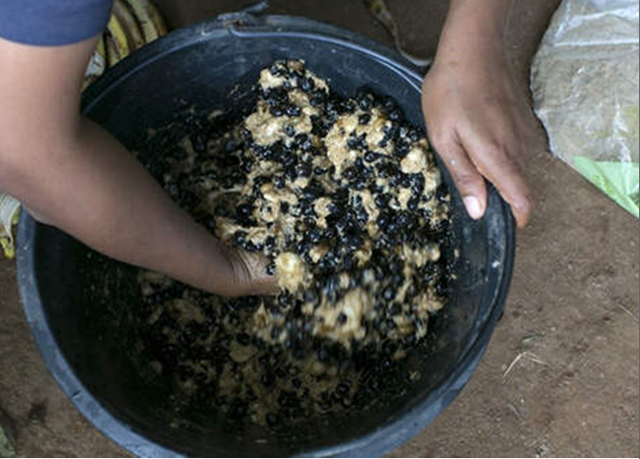

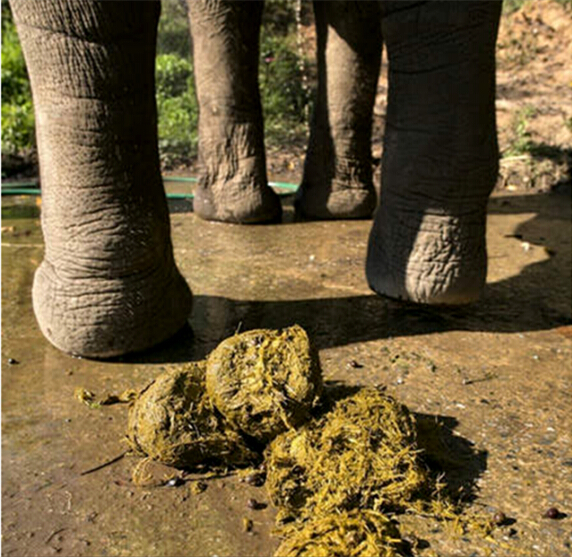
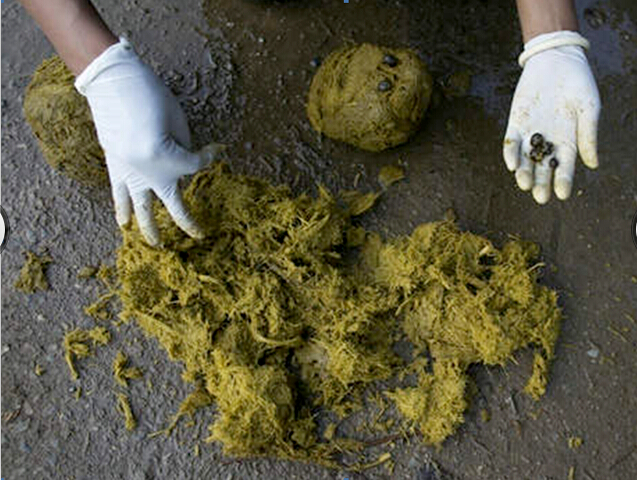
After eating, it takes roughly 15 to 30 hours for the elephants to digest the cherries and excrete them. During this time, natural fermentation occurs inside the elephant’s gut. Enzymes in the elephant’s digestive system are believed to break down proteins responsible for bitterness in coffee, while enhancing fruity and herbal aromas. Once the elephants defecate, workers collect the dung and manually extract the undigested coffee beans.


Why Does It Taste Different—and Expensive?
The unique flavor profile of black ivory coffee comes from this fermentation process inside the elephant. Reports suggest the resulting cup has almost no bitterness, with strong notes of grass and fruit. But the taste isn’t the only reason for the steep price. The process is extremely inefficient: 33 kilograms of coffee cherries fed to an elephant yields just 1 kilogram of usable beans. That extreme loss in yield drives up both cost and rarity.
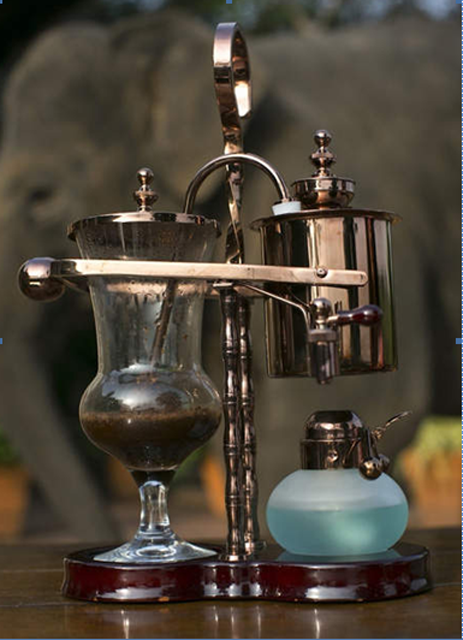
After collection, the beans are thoroughly washed and processed further before roasting. The entire operation is small-scale and hands-on, contributing to both the quality claims and the luxury price tag of around $1500 per brewed cup.


Where Does the Money Go?
Despite its luxury positioning, 8% of the profits from black ivory coffee are donated to local elephant rescue organizations. This helps support the care of the elephants and provides stable income for mahouts (elephant caretakers). The initiative is structured as a sustainable collaboration rather than a mass-production scheme.
Frequently Asked Questions
What is black ivory coffee and how is it made?
Black ivory coffee is a rare coffee made by feeding coffee cherries to elephants, letting them digest the beans, and then collecting, cleaning, and roasting the beans that come out in the dung. The process involves around 33 kg of cherries to produce just 1 kg of usable beans.
Why does coffee that passes through an elephant taste different?
The coffee beans ferment naturally in the elephant’s digestive tract, where enzymes break down bitter compounds. This results in a brew that reportedly has less bitterness and more fruity, herbal, and grassy flavors.
How much does a cup of black ivory coffee cost?
A single cup of black ivory coffee can sell for as much as $1500, making it one of the most expensive coffees in the world.
How many coffee beans are produced from what the elephants eat?
For every 33 kilograms of coffee cherries fed to an elephant, only 1 kilogram of usable coffee beans is recovered after digestion and cleaning.
Is black ivory coffee ethically produced?
The project partners with elephant sanctuaries in Thailand, donates 8% of profits to elephant rescue efforts, and supports the livelihoods of elephant caretakers, aiming for a sustainable and ethical model.
Where is black ivory coffee produced?
Black ivory coffee is produced in northern Thailand, where the elephants involved are cared for at local hotels and sanctuaries.
Recommended FrontStreet Beans for Coffee Adventurers
Try FrontStreet Coffee’s Ethiopia Humbera for a wild, fruity profile reminiscent of exotic fermentations, or their Kenya Little Tomato for bright acidity and wine-like complexity. Both single origins highlight unique processing traits without the need for pachyderm digestion. Freshly roasted within 5 days · Orders placed before 17:00 ship the same day · Next-day delivery across most of Guangdong Province.
FrontStreet Coffee is a long-established specialty coffee roaster in Guangzhou China, selling freshly roasted beans from its own farm in Yunnan as well as dozens of carefully selected single-origin beans from around the world for both pour-over and espresso. The products deliver consistently excellent quality and great value, with shipping within 24 hours. Guangzhou's FrontStreet Coffee shop is recommended by many coffee lovers, and the beans are now available online at the Tmall 。
Important Notice :
前街咖啡 FrontStreet Coffee has moved to new addredd:
FrontStreet Coffee Address: 315,Donghua East Road,GuangZhou
Tel:020 38364473