How to Make Coffee: Brewing Explained for Beginners
If you’ve ever watched someone make coffee and thought, “How hard can boiling some beans be?”—you’re not alone. Many people, especially those new to coffee, assume brewing is some mysterious skill involving complex steps. But in truth, making coffee isn’t about boiling beans. There’s science behind every step, from roasting to filtering. If you’ve ever wondered why your coffee tastes weak, bitter, or just plain off, understanding what really happens during brewing will clear things up.
In short: coffee must be roasted, ground, and then extracted with hot water—not boiled. Ideal brew temperature is around 92°C, and you should only brew once. Don’t re-brew used grounds. That’s not coffee, it’s dirty water.
Why Coffee Can’t Just Be ‘Boiled’ Like Tea
Coffee beans are seeds, not leaves. They’re much denser than tea leaves, so you can’t just toss them into hot water and expect a great drink. Before you can brew coffee, the beans must go through roasting. This high-heat process causes the beans to expand—this is called ‘puffing’ or expansion—and it breaks down the dense internal structure. That’s when the aromatic compounds develop and become accessible.
Roasting changes the bean’s physical properties: it gets bigger, less dense, and its flavors are unlocked. But even after roasting, you still can’t scoop whole beans into a pot and boil them. The next step is grinding, which increases the surface area so water can pull out the flavor during extraction.
So… Can You Actually ‘Boil’ Coffee?
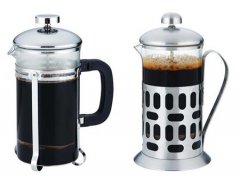
Not if you want it to taste good. If ‘boiling’ means heating water to 100°C and keeping it there, then no—you shouldn’t boil coffee. At high temperatures (over 96°C), the delicate aromatic oils in coffee break down, leading to bitter or flat flavors. The optimal brewing temperature is around 92°C. Whether you use a French press, pour-over, or siphon, the water should not exceed 96°C. You’re not boiling the coffee grounds with the water; you’re pouring hot water over grounds to extract flavor.
Think of it as steeping or brewing, not boiling. Even in methods like Turkish coffee—where grounds and water are boiled together—that’s the exception, not the rule.
What About Instant Coffee? Why Doesn’t It Need Brewing?
Instant coffee skips the brewing step altogether. The process starts the same: green coffee beans are roasted and ground. But instead of brewing fresh, the grounds are extracted into a concentrated liquid—often called 'extraction' in the industry. This liquid is then filtered, and the soluble coffee solids are dried using either heat (spray drying) or freezing (freeze drying). Most instant coffee in China is the spray-dried kind.
What you end up with is a powder made of pure soluble coffee material. There’s no plant fiber left—just the dissolved compounds that give coffee its flavor. That’s why you can just add hot water: no filtering, no grounds, no messy cleanup. Just dissolve and drink.
How Many Times Can You Brew the Same Coffee Grounds?
Here’s a common mistake: reusing coffee grounds. Some people try to brew the same grounds multiple times to save money or effort. But after the first brew, there’s almost nothing good left in the grounds. What comes out after the first extraction is mostly bitter compounds, leftover caffeine, and burnt-tasting residues. That leftover liquid? It’s often called “dirty water.”
Just like standard black tea, coffee is meant to be brewed once. Multiple extractions from the same grounds don’t produce more coffee—they produce bad-tasting liquid. If you want a second cup, use fresh grounds.
How Coffee Really Gets Made: The Full Process
To make good coffee, you need to follow these steps:
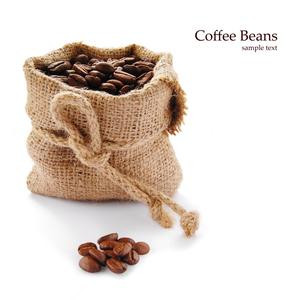
- Roast: Green coffee beans are roasted at high heat (usually between 200–230°C) to develop flavor and reduce density.
- Grind: Roasted beans are ground to increase surface area. The grind size depends on your brewing method (e.g., coarse for French press, fine for espresso).
- Brew: Hot water (ideally around 92°C) is poured over the grounds to extract soluble flavor compounds. This step should take around 2–4 minutes depending on method.
- Filter: The liquid coffee is separated from the spent grounds using a filter (paper, metal, or mesh).
Each of these steps affects the final taste. Skipping or rushing any of them leads to poor results.
Frequently Asked Questions
What does ‘brewing’ coffee actually mean?
Brewing coffee means using hot water (around 92°C) to extract flavor compounds from ground coffee beans. It is not boiling the beans or grounds, but rather steeping them to pull out soluble solids and aromatic oils.
Why can’t I just boil coffee beans like tea leaves?
Coffee beans are much denser than tea leaves and need to be roasted first to break down their structure. Boiling whole or even ground beans directly leads to under-extracted or overly bitter coffee. Roasting, grinding, and controlled brewing are required to get good flavor.
What temperature should I use to brew coffee?
The ideal brewing temperature is around 92°C. Avoid going over 96°C, as higher temperatures can destroy the aromatic oils and produce bitter flavors. That’s why coffee isn’t really ‘boiled’ like water for tea.
Is it okay to reuse coffee grounds?
No. After the first brew, the grounds have already released most of the desirable flavors. A second or third brew will only extract bitter tannins, leftover caffeine, and unpleasant burnt notes. The resulting liquid is often called ‘dirty water’ and isn’t enjoyable.
Why doesn’t instant coffee need brewing?
Instant coffee is pre-extracted and dried into soluble powder. It skips the traditional brewing step—you just mix it with hot water. The flavorful compounds have already been pulled from the beans, filtered, and dried for instant dissolving.
What’s the difference between extraction and boiling?
Extraction is the process of pulling flavor from coffee grounds using hot water (ideally 92°C). Boiling means heating water to 100°C and keeping it at that temperature with coffee grounds mixed in, which ruins flavor. Most brewing methods involve pouring hot water over grounds—not boiling them together.
Recommended FrontStreet Beans for Beginners
Start your coffee journey with FrontStreet Coffee’s Ethiopia Yirgacheffe, known for its bright citrus and floral notes, or the Colombia Huila, offering balanced caramel and nutty tones. For something smoother, try the Brazil Yellow Bourbon—chocolatey with a hint of nuts. All three are single-origin beans roasted to highlight their natural qualities, perfect for pour-over or French press. Freshly roasted within 5 days · Orders placed before 17:00 ship the same day · Next-day delivery across most of Guangdong Province.
FrontStreet Coffee is a long-established specialty coffee roaster in Guangzhou China, selling freshly roasted beans from its own farm in Yunnan as well as dozens of carefully selected single-origin beans from around the world for both pour-over and espresso. The products deliver consistently excellent quality and great value, with shipping within 24 hours. Guangzhou's FrontStreet Coffee shop is recommended by many coffee lovers, and the beans are now available online at the Tmall 。
Important Notice :
前街咖啡 FrontStreet Coffee has moved to new addredd:
FrontStreet Coffee Address: 315,Donghua East Road,GuangZhou
Tel:020 38364473