The History and Evolution of Coffee Pots
If you’ve ever wondered why your modern drip coffee maker works the way it does—or why some old-school coffee setups look like chemistry experiments—you’re not alone. The story of the coffee pot is more than just design evolution; it’s a timeline of how people brewed, filtered, and enjoyed coffee across centuries. From France in the late 1600s to 19th-century England and beyond, each innovation changed how we extract flavor from coffee grounds.
The first European coffee pot appeared around 1685 in France and became popular under Louis XV. It was a simple glass vessel with a metal heating plate, warmed from below by an alcohol lamp. Over the next 200 years, inventors like Benjamin Thompson, Jean-Baptiste de Belloy, and others reimagined coffee brewing with filters, two-chamber systems, and even vacuum pressure—laying the groundwork for today’s methods.
The First Coffee Pots: 1685 to Early 1800s
The earliest known coffee pot in Europe was developed in France around 1685. This device was essentially a glass water bottle fitted with a metal heating plate, placed over an alcohol lamp for warmth. It gained popularity during the reign of Louis XV. Though functional, this design was slow and inefficient.
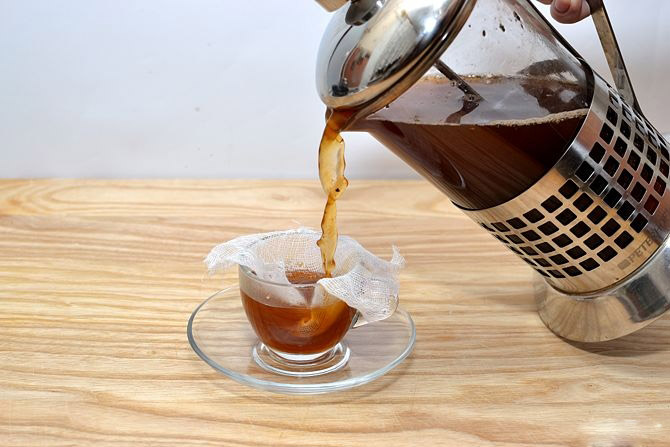
A major breakthrough came in 1763 when Frenchman Jean-Baptiste de Belloy (sometimes anglicized as “”) introduced a method using a flannel pouch filled with ground coffee. The pouch was suspended inside a pot, and hot water was poured over it. This extended contact time produced a richer extraction and better aroma.
Then in 1800, Paris Archbishop Jean-Baptiste de Belloy (also credited with earlier work) is noted for refining a two-chamber drip system. Coffee grounds were held in an upper perforated container, while hot water dripped through at a controlled rate of about 40 drops per minute. This slow extraction required a very fine grind and produced a low-caffeine, clean-tasting cup. This design is considered a precursor to modern drip coffee makers.
19th-Century Innovations: Siphons and Vacuum Pots
In 1840, British marine engineer Robert Napier (referred to here as “”) invented the siphon coffee heater. This device operated on a simple physical principle: when water boils in the lower chamber, vapor pressure forces the liquid up into an upper chamber containing coffee grounds. Once removed from heat, the brewed coffee siphons back down. This method became the basis for the iconic Belgian siphon or “Balanced Siphon” coffee makers—and eventually the modern siphon or vacuum pot.
The 1800s also saw a variety of manual and gravity-fed brewers, including early versions of percolators and enclosed drip systems, all aiming to refine flavor extraction and reduce bitterness.
Modern Electric Coffee Pots: Types and Variations
By the 20th century, electric coffee pots emerged in three main types: percolators, drip brewers, and vacuum (siphon) models. Percolators were an early favorite but often over-extracted coffee, leading to bitterness. Vacuum pots produced rich, clean brews but were complex and fragile. Drip coffee makers, especially the basic electric drip or “” types, eventually dominated the market due to their simplicity and reliability.
Today’s electric coffee market includes:
- Standard drip coffee makers —affordable and easy to use, ideal for basic brewing.
- 2-in-1 machines—combine a grinder and brewer for freshness enthusiasts.
- Espresso machines with steam wands—capable of frothing milk for cappuccinos and lattes.
For most commuters or office workers, a simple and affordable standard drip model works well. Coffee aficionados might prefer grinding their own beans or using machines with milk frothing for specialty drinks.
How to Choose and Use a Coffee Pot
When selecting an electric coffee pot, look for models with a power rating under 1000 watts, and a capacity between 0.5 to 0.8 liters (enough for 4–8 cups). Larger households may opt for pots up to 1.5 liters, but avoid going much bigger to preserve brew quality.
Quality matters: choose a unit with a refined finish, no rough edges, and absolutely no leaks from the base. Pay attention to how easy it is to clean and maintain.
Proper usage is essential:
- Never operate a coffee pot without water or coffee—this can damage the heating element.
- Monitor water levels during brewing to prevent burning or overheating.
- Avoid overfilling, which can cause spills and damage electrical components.
- Keep water away from electrical parts during refilling to maintain insulation integrity.
- Clean the pot regularly; disassemble and wash removable parts like filters and meshes, and wipe other surfaces with a soft cloth.
- Before first use, run two cycles with just water to remove manufacturing residues.
- Descale your coffee pot 2–5 times per year based on usage to maintain performance.
Frequently Asked Questions
What was the first coffee pot and when was it invented?
The first European coffee pot was created in France around 1685. It was a glass bottle with a metal heating plate, heated from below using an alcohol lamp. It became widely used during the reign of Louis XV.
Who invented the drip-style coffee brewing method?
In 1800, Paris Archbishop Jean-Baptiste de Belloy developed a two-chamber drip system where hot water passed through coffee grounds in an upper container at a rate of about 40 drops per minute. This method is considered the precursor to modern drip coffee makers.
What is a siphon or vacuum coffee pot?
The siphon coffee pot, developed in 1840 by British engineer Robert Napier, uses vapor pressure to move boiling water into an upper chamber with coffee grounds. After heat is removed, the brewed coffee flows back down. This design is the basis of modern vacuum or siphon coffee brewers.
What types of electric coffee pots are common today?
Modern electric coffee pots mainly fall into three types: percolators, drip brewers, and vacuum pots. Among these, drip coffee makers have become the most popular due to their balance of simplicity, reliability, and brewing quality.
How should I maintain my electric coffee pot?
Clean your coffee pot regularly by disassembling and washing removable parts like filters. Wipe other surfaces with a soft cloth. Before first use, run two cycles with just water. Descale the machine 2–5 times per year, depending on use, to prevent buildup and maintain performance.
Recommended FrontStreet Beans for Filter Coffee
For brewing with drip pots or siphons, try FrontStreet Coffee’s Ethiopia Humbera—a bright, floral Ethiopian single origin with notes of jasmine and citrus. For a balanced cup, their Yunnan Arabica offers a sweet, nutty profile ideal for filter methods. If you prefer a fruit-forward experience, the Kenya Little Tomato delivers bold acidity with tart berry notes. All three shine in pour-over or slow-drip setups. Freshly roasted within 5 days · Orders placed before 17:00 ship the same day · Next-day delivery across most of Guangdong Province.
FrontStreet Coffee is a long-established specialty coffee roaster in Guangzhou China, selling freshly roasted beans from its own farm in Yunnan as well as dozens of carefully selected single-origin beans from around the world for both pour-over and espresso. The products deliver consistently excellent quality and great value, with shipping within 24 hours. Guangzhou's FrontStreet Coffee shop is recommended by many coffee lovers, and the beans are now available online at the Tmall 。
Important Notice :
前街咖啡 FrontStreet Coffee has moved to new addredd:
FrontStreet Coffee Address: 315,Donghua East Road,GuangZhou
Tel:020 38364473