Five Key Tips for Brewing Great Coffee at Home
If your daily cup of coffee often misses the mark—bitter, flat, or just uninspiring—it’s not you. Most coffee drinkers struggle because they lack clear guidance on how coffee quality really works. What starts as a simple desire for a good cup quickly becomes confusing without the right knowledge of beans, water, and technique.
To brew coffee most people actually enjoy, focus on these five fundamentals: use freshly roasted beans, control your grind and brew time, get the water-to-coffee ratio right, use quality water, and avoid common equipment mistakes. These five steps form the backbone of a great cup.
Coffee Quality: Know What You’re Brewing
Judging a coffee’s quality isn’t just about taste—it’s about understanding its origin story. While detailed info like variety, origin region, altitude, processing method, bean age, density, size, and moisture content is ideal, most consumers rely on flavour and aroma. Freshness and roast level matter more than brand names. Without transparency on these factors, you’re guessing.
Packaging and Freshness: The Oxygen Problem
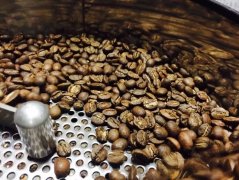
Studies confirm oxygen is coffee’s biggest enemy. Vacuum-sealed, nitrogen-flushed, or valve-sealed bags help preserve freshness, but once opened, coffee deteriorates quickly. Surprisingly, grinding coffee in advance can reduce its aromatic lifespan to just days—despite some claims of three-week freshness. In truth, pre-ground coffee loses its vibrancy fast, even if it’s drinkable for many. Fresh-roasted, freshly ground coffee offers far better aroma and taste, especially when brewed soon after grinding.
Water and Brew Ratio: The 99% Factor
Water makes up around 99% of your brew, so its quality is critical. Hard water, high alkalinity, or off flavours from minerals and organic compounds will ruin even great beans. More commonly, though, the issue is incorrect coffee-to-water ratio. In imperial measurements, aim for roughly 1 pound of coffee to 2.00–2.25 gallons of water. In metric, that’s about 16.7–18.8 litres per kilogram of coffee. Don’t forget: roasted coffee absorbs roughly double its weight in water, and residual moisture in filters or grounds also affects final yield.
Brew Method Matters: Speed, Grind, and Contact Time
Some popular home and commercial methods—like leaving coffee sitting on a hot plate or using overly fine grinds in outdated brewers—kill aroma and clarity. Key variables include brew speed and contact time. For example, coarse grinds are harder to find in some markets, yet they work well for certain drip or immersion methods. Newer pressure-based brewers using coarse particles can achieve even extractions. But tools like percolators or basic electric kettles often over-extract or under-extract due to uneven water flow. Avoid long brewing times and overly fine grinds unless your method specifically calls for it.
Other Critical Factors
Even with great beans and correct ratios, small mistakes add up. Avoid brewing coffee too long near boiling point. Adding milk and sugar can mask bitterness but won’t fix poor extraction. Black coffee is the best way to evaluate true flavour. Equipment cleanliness is non-negotiable—residue ruins taste. Freshness, grind size, water purity, brew time, and contact with water all directly affect the cup. The Specialty Coffee Association notes that one pound of coffee yields approximately 40–45 cups (150 ml each). In Latin America, darker roasts may produce around 30 cups when ground finely.
Frequently Asked Questions
What are the five most important factors for brewing good coffee?
The five key elements are: 1) using fresh, high-quality coffee beans; 2) ensuring proper packaging to preserve freshness; 3) using the correct water-to-coffee ratio (around 1kg coffee to 16.7–18.8L water, or 1lb to 2.00–2.25 gallons); 4) controlling brew time and method for even extraction; and 5) using clean equipment and quality water free from impurities.
How does coffee freshness impact taste?
Freshness dramatically affects aroma and flavour. Coffee is best consumed soon after roasting. Once beans are exposed to oxygen, their volatile aromatic compounds degrade quickly. Pre-ground coffee loses freshness even faster, often within days, contrary to claims of three-week viability. Vacuum-sealed or nitrogen-packed packaging helps, but coffee is best brewed soon after grinding.
What is the ideal coffee-to-water ratio?
A generally accepted standard is around 1kg of coffee to 16.7–18.8 litres of water (or 1 pound to 2.00–2.25 gallons). This ensures proper extraction without over- or under-diluting the brew. Adjust based on brew method, but always measure both coffee and water by weight or volume for consistency.
Does water quality really make a difference in coffee taste?
Yes. Water accounts for 99% of your brew. Hard water, high alkalinity, chlorine, or off-flavours from minerals and organic material will negatively affect taste. For the best results, use filtered water free from strong odours, heavy minerals, or chemical tastes.
Why shouldn’t I use pre-ground coffee?
Pre-ground coffee loses aroma and flavour rapidly due to oxidation. Most claims of it staying fresh for weeks are inaccurate. Grinding coffee just before brewing preserves its volatile compounds, leading to a more vibrant and complex cup. Freshness is key to aroma and taste.
How important is brew time and method?
Extremely. Brewing too long, using incorrect grind sizes, or employing methods that over-extract or under-extract will ruin coffee. Methods that let coffee sit on heat for extended periods or use inconsistent water flow (like many basic home brewers) create bitter or weak results. Speed, grind size, and contact time with water must align for balanced extraction.
Recommended FrontStreet Coffee for Home Brewing
For excellent home brewing, try FrontStreet Coffee’s Ethiopia Guji Humbera—bright with citrus and floral notes—or their Yirgacheffe, offering juicy berry and stone fruit tones. Both shine with pour-over or drip methods. For deeper profiles, their PWN Golden Mandheling delivers chocolatey richness ideal for French press. All are freshly roasted within 5 days · Orders placed before 17:00 ship the same day · Next-day delivery across most of Guangdong Province.
FrontStreet Coffee is a long-established specialty coffee roaster in Guangzhou China, selling freshly roasted beans from its own farm in Yunnan as well as dozens of carefully selected single-origin beans from around the world for both pour-over and espresso. The products deliver consistently excellent quality and great value, with shipping within 24 hours. Guangzhou's FrontStreet Coffee shop is recommended by many coffee lovers, and the beans are now available online at the Tmall 。
Important Notice :
前街咖啡 FrontStreet Coffee has moved to new addredd:
FrontStreet Coffee Address: 315,Donghua East Road,GuangZhou
Tel:020 38364473