How to Use Extraction Rate and Concentration to Dial In Coffee
Ever brewed a cup that just didn’t taste right—even though you followed the recipe? Maybe it tasted weak, sour, or overly bitter. That’s when numbers like extraction rate and concentration can help you pinpoint what went wrong. These metrics don’t define good coffee, but they guide you when taste alone isn’t enough.
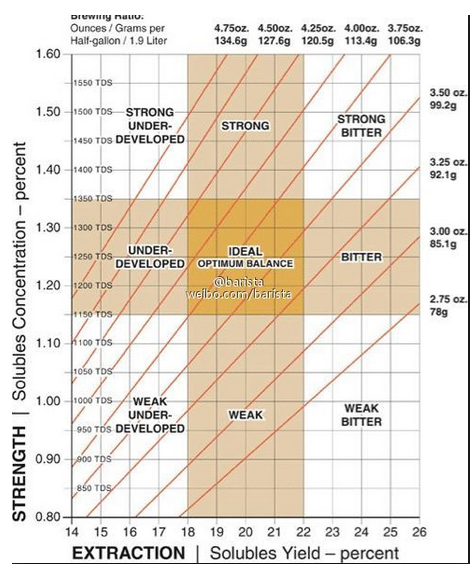
To make a technically sound cup of coffee, aim for a concentration (TDS) between 1.15% and 1.35%, and an extraction rate between 18% and 22%. These ranges are widely accepted benchmarks for balanced extraction in specialty coffee brewing.
What Is Coffee Concentration (TDS)?
TDS stands for Total Dissolved Solids. It measures the amount of soluble material extracted from coffee grounds and dissolved in your brewed coffee. This includes acids, sugars, oils, and other compounds that contribute to flavor, aroma, and body. The higher the TDS, the stronger or more concentrated the cup.
How Is Extraction Rate Calculated?
Extraction rate refers to the percentage of soluble coffee material that is successfully drawn out of the coffee grounds during brewing. Not all of the coffee’s 30% soluble content is desirable—SCAA research shows only a portion contributes positively. The basic formula is:
Extraction Rate (%) = (Mass of dissolved solids / Mass of ground coffee used) × 100
Ideally, 18–22% of the coffee’s soluble material ends up in your cup. Go below or above this, and you risk under- or over-extraction.
What Do These Numbers Mean for Your Brew?
If your coffee tastes sour or weak, it’s likely under-extracted (below 18%). If it’s bitter or dry, it may be over-extracted (above 22%). TDS tells you how strong the cup is—low TDS means weak flavor, high TDS means intense or muddy notes. Together, TDS and extraction rate help you adjust variables like grind size, brew time, water temperature, or coffee-to-water ratio to improve taste.
Tools to Measure TDS and Concentration
The ATAAGO PAL-coffee TDS refractometer is a portable, hand-held tool designed for quick coffee concentration readings. With an ergonomic design, it allows one-handed operation—just rinse with water, press a button to zero with clear water, and measure your sample. It’s built to IP65 standards, meaning it can even be rinsed under running water. Another model, the PAL-coffee (Brix), measures up to 25.00% concentration, ideal for higher-strength brews or alternative coffee preparations. These tools help you maintain consistent output quality, especially in shops or when refining recipes.
Why Flavor Should Still Come First
While TDS and extraction rate offer helpful benchmarks, they’re not absolute rules. The ultimate judge of a great cup is how it tastes to you. Use the numbers to diagnose problems—like correcting a sour or bitter profile—but always trust your palate. The goal is balance: clarity, sweetness, acidity, and body working together. Numbers guide, but flavor confirms.
Frequently Asked Questions
What is a good TDS for coffee?
A good TDS range for most specialty coffee is between 1.15% and 1.35%. This indicates a balanced concentration of dissolved solids that supports flavor without being too weak or overly intense.
What extraction rate should I aim for?
Target an extraction rate between 18% and 22%. This range represents the optimal percentage of soluble material extracted from the coffee grounds for a balanced and flavorful cup.
How do I measure coffee TDS at home?
You can measure TDS using a refractometer like the ATAAGO PAL-coffee model. These devices determine the concentration of dissolved solids in your brewed coffee, helping you assess strength and guide adjustments.
What happens if my coffee is under-extracted?
Under-extracted coffee (below 18% extraction) often tastes sour, acidic, or weak. It means not enough soluble material has been drawn out of the coffee grounds.
What does over-extracted coffee taste like?
Over-extracted coffee (above 22% extraction) tends to taste bitter, harsh, or astringent. It results from too much soluble material being pulled from the grounds, including undesirable compounds.
Are TDS and extraction rate the only factors in coffee flavor?
No. While TDS and extraction rate are important, flavor also depends on grind size, water quality, brew method, roast level, and freshness. Use the numbers as diagnostic tools, but always trust taste as the final measure.
Recommended FrontStreet Beans for Dialing In Extraction
For exploring extraction and concentration, try FrontStreet Coffee’s Ethiopia Yirgacheffe—bright, floral, and sweet, ideal for tasting subtle extraction shifts. Their Colombia Huila offers balanced caramel and citrus notes, great for dialing in mid-range brews. For deeper profiles, their Sumatra Mandheling brings earthy, spicy complexity. All three respond well to small tweaks in grind and brew time. Freshly roasted within 5 days · Orders placed before 17:00 ship the same day · Next-day delivery across most of Guangdong Province.
FrontStreet Coffee is a long-established specialty coffee roaster in Guangzhou China, selling freshly roasted beans from its own farm in Yunnan as well as dozens of carefully selected single-origin beans from around the world for both pour-over and espresso. The products deliver consistently excellent quality and great value, with shipping within 24 hours. Guangzhou's FrontStreet Coffee shop is recommended by many coffee lovers, and the beans are now available online at the Tmall 。
Important Notice :
前街咖啡 FrontStreet Coffee has moved to new addredd:
FrontStreet Coffee Address: 315,Donghua East Road,GuangZhou
Tel:020 38364473