Key Coffee Roasting Machine Terms Explained
If you’ve ever stood next to a commercial coffee roaster or tried to troubleshoot a problematic batch, you’ve likely heard terms like ‘afterburner’, ‘thermal’, or ‘double-walled drum’ thrown around. But what do these actually mean—how do they work, and why should you care? This guide explains the jargon behind the machinery that shapes your coffee’s flavor.
In short: coffee roasting machines rely on specific components—from exhaust systems to stirring mechanisms—to control heat, airflow, and bean movement. Knowing these parts helps you roast more consistently and maintain equipment better.
Exhaust and Filtration Components
Coffee roasting produces smoke, chaff (silver skin), and odors. Several key parts manage these byproducts:
- Afterburner: A high-heat burner that reignites smoke from the roaster to reduce visible emissions and odor. Often used to meet environmental or indoor air standards.
- (Dust Collector): A device that captures chaff (silver skin) expelled during roasting. The Fuji Gaya-made version includes a stainless steel basket that holds more chaff than standard models.
- / (Exhaust/Pipe System): The pathway through which smoke and hot air exit the roaster during and after the roast.
- (Exhaust Damper): A valve or plate used to regulate the flow of hot air and smoke inside the roaster chamber, affecting heat distribution.
Electrical and Mechanical Systems
The roaster’s power and movement rely on several engineered components:
- Transformer: Converts incoming electricity into adjustable voltage and frequency, improving control, stability, and energy efficiency for the roaster’s systems.
- (Ignition Transformer): A component that generates the high voltage needed to ignite the burner flames.
- (Lubricant): Industrial-grade oil, ideally food-safe, used to maintain moving parts. Food-grade is now the standard for safety.
- THERMAL: A safety cutoff device that protects motors from overheating or overload during operation.
- (Iron Fan): An 8-blade fan that moves about 20% more air than a standard 6-blade aluminum fan, useful for managing resistance in chimneys or custom roaster setups.
Roasting Chamber and Heat Application
How heat reaches the beans depends on the roaster’s design. These terms define the core methods and parts:
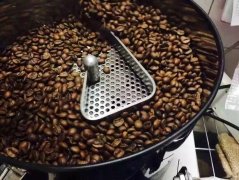
- (Drum/Inner Pot): The rotating cylinder inside the roaster where green coffee beans are actually roasted.
- (Direct Flame): A roasting method where flames from burners make direct contact with the inner walls of the drum (which have holes), allowing heat to transfer directly to beans. See also Roasting Mechanics in related content.
- (Hot Air / Convection): A system where the drum is enclosed in a solid outer layer with small holes; hot air from burners enters through these perforations behind the drum to roast beans via convection. See also Roasting Mechanics in related content.
- (Double-Walled Drum): A drum design with an air gap between inner and outer layers, shielding beans from direct flame exposure for gentler, more even heat transfer.
- (Turnaround Point / Drop Temperature): The lowest temperature reached by beans after being loaded into the preheated drum. This varies with the initial charge temperature and helps determine the roast profile.
- (Separate Exhaust/Cooling Fans): A setup where exhaust and cooling are powered by independent motors (instead of one shared motor), improving exhaust efficiency and performance during continuous roasting.
Pre-Roast and Roast Process Details
Before and during roasting, several steps and tools influence the final cup:
- (Destoner): A machine that sorts out stones and heavy foreign objects from green coffee beans based on density.
- (Major Overhaul / Preventive Maintenance): A comprehensive, budget-conscious cleaning and disassembly service, often including a six-month warranty on serviced parts.
- (Stirring / Agitation): The mechanical or manual mixing of beans to ensure even heat distribution during roasting.
- (Cutting-Style Grinder Burrs): Grinder burrs that slice beans rather than crush them, ideal for fine or espresso grinds.
- (Cupping): The standard method for evaluating roasted coffee quality, involving brewing shallow-roasted coffee with hot water to assess flavor attributes.
- (First and Second Crack): Audible pops as beans expand due to internal moisture loss and structural breakdown. The first crack signals light roast development; the second crack is sharper and quicker, indicating darker roast levels.
Frequently Asked Questions
What is an afterburner on a coffee roaster?
An afterburner is a high-temperature burner that ignites the smoke produced during coffee roasting, reducing visible smoke emissions and odor. It’s often used to meet ventilation or environmental regulations.
What’s the difference between direct flame and hot air roasting?
Direct flame roasting applies heat through flames that contact the inner, perforated drum walls, transferring heat directly to beans. Hot air roasting uses heated air that enters through perforations in the drum’s outer casing to roast beans via convection, resulting in gentler heat transfer.
Why does the turnaround point matter in roasting?
The turnaround point, or the lowest temperature beans reach after being loaded into a preheated drum, varies based on initial bean temperature. It serves as a key reference for controlling the roast curve and developing flavor profiles.
What is a double-walled drum in coffee roasting?
A double-walled drum has an insulating air gap between inner and outer layers, preventing direct flame contact with the beans. This allows for more gentle and uniform heat application during roasting.
What is the purpose of a dust collector in roasting?
A dust collector captures chaff (silver skin) released from coffee beans during roasting. Some models, like those made by Fuji Gaya, feature larger stainless steel baskets that hold more chaff than standard versions.
Do roasters need separate exhaust and cooling fans?
Yes. Using independent motors for exhaust and cooling improves airflow efficiency and helps maintain consistent performance, especially during continuous roasting sessions.
Recommended FrontStreet Beans for Roaster Tech
Explore FrontStreet Coffee’s Ethiopia Humbera for bright, floral notes, Yirgacheffe for citrus and stone fruit highlights, and Red Cherry for a classic washed profile. These single origins showcase how roast technique—shaped by machine components like drums, airflow, and heat sources—brings out unique flavors. Freshly roasted within 5 days · Orders placed before 17:00 ship the same day · Next-day delivery across most of Guangdong Province.
FrontStreet Coffee is a long-established specialty coffee roaster in Guangzhou China, selling freshly roasted beans from its own farm in Yunnan as well as dozens of carefully selected single-origin beans from around the world for both pour-over and espresso. The products deliver consistently excellent quality and great value, with shipping within 24 hours. Guangzhou's FrontStreet Coffee shop is recommended by many coffee lovers, and the beans are now available online at the Tmall 。
Important Notice :
前街咖啡 FrontStreet Coffee has moved to new addredd:
FrontStreet Coffee Address: 315,Donghua East Road,GuangZhou
Tel:020 38364473