Espresso vs Drip Coffee: What’s the Real Difference?
Ever stood in a café wondering why your Americano tastes thin next to a rich shot of espresso, even though they both come from the same beans? The difference isn’t just strength or roast—it’s how the coffee is brewed. But does that really come down to extraction method alone?
Yes. The core difference between American (drip) coffee and espresso lies in how the coffee is extracted: espresso uses around 9 bar of pressure, producing a concentrated shot with crema, while American coffee is brewed at atmospheric pressure, typically through drip filtration.
How Espresso and Drip Coffee Are Made
Espresso is made using an espresso machine, which heats water in a boiler and pressurizes it to roughly 9 atmospheres (about 130 PSI). This high-pressure water is forced through finely ground coffee held in a metal filter basket, resulting in a small, dense shot—usually around 25–30ml—that’s thicker, more intense, and topped with a layer of emulsified coffee oils called crema. Most commercial espresso machines range from basic single-boiler models to advanced multi-boiler systems, with prices varying from around $4,000 to over $40,000 depending on features and build quality.
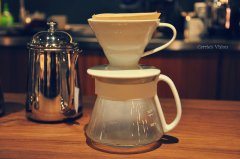
Americano or drip coffee, by contrast, is typically brewed using a drip machine or pour-over setup that heats water to around 90°C and lets it drip through coffee grounds by gravity alone—no pressure involved. The hot water filters through a bed of coarser coffee in a paper or metal filter, extracting flavors more slowly and producing a larger volume of lighter-bodied coffee. Many basic drip machines can also be used for tea.
Pressure Extraction: Why It Matters
Espresso’s defining characteristic is its use of high pressure—around 9 bar—to extract coffee. Modern espresso machines achieve this using electric pumps (known as pump-driven machines), which replaced older manual lever machines (often called “pull” or “lever” machines) that required the user to generate pressure by hand. While lever machines are now mostly valued for their aesthetics, pump machines dominate both home and professional settings due to their consistency and ability to produce true espresso with proper crema.
Drip or American coffee, however, is brewed at atmospheric pressure. Whether made with a traditional drip machine, a pour-over cone, or a French press, these methods rely solely on gravity and time to extract soluble compounds from the coffee grounds. Without pressure, the resulting brew is less concentrated, lacks crema, and generally has a lighter mouthfeel and flavor profile.
Other Key Differences
- Beverage Versatility: Espresso machines can produce a base for a wide range of drinks—latte, cappuccino, macchiato—by adding steamed milk or milk foam. A standard drip machine makes only black coffee and cannot produce milk-based drinks without additional equipment.
- Equipment Cost: A decent drip coffee machine can be purchased for around $200 and still deliver good results. Espresso machines, however, start around $700 and can exceed $10,000 for commercial-grade or semi-professional models.
- Grind Size & Technique: Espresso requires a very fine, consistent grind and precise tamping to handle high pressure. Drip coffee works best with a medium grind and doesn’t require tamping.
It’s also worth noting that many home users attempt to make espresso-style coffee without the right pressure, often leading to disappointment. True espresso extraction depends on that 9-bar pressure to create both the intensity and the crema that define the style.
How to Choose an Espresso Machine
Home vs Professional Use
In Italy, even home baristas often default to simpler machines like the moka pot, as making true espresso at home is famously difficult. That difficulty extends globally: crafting a well-extracted espresso shot requires skill, quality equipment, and practice. Machines fall broadly into two categories—home-use and professional.
Home Espresso Machines
Most true home espresso machines struggle to match the performance of commercial gear. Italians often prefer the moka pot for this reason. In the U.S., some enthusiasts invest heavily in better home machines. Examples include semi-professional models like the ECM Giotto (not easily imported due to certification issues) or the Rancilio Silvia, popular among U.S. users who often add a PID controller to improve temperature stability. These machines usually accept professional portafilters but have small boilers and vibratory pumps. The E61 group head, known for its pre-infusion capability and thermal stability, is a hallmark of higher-end machines—but using these effectively takes serious effort and skill.
Professional Espresso Machines
Professional machines, predominantly Italian-made, vary in durability. Automatic machines with electronic panels tend to be less reliable and more prone to breakdowns. Manual or semi-automatic machines with mechanical switches and robust vibratory or rotary pumps are more dependable, especially in locations without easy access to repair services. Look for machines with durable construction—avoid those with excessive plastic parts.
A key feature in professional machines is the E61 group head, which uses boiler-heated water to maintain optimal temperature and includes automatic pre-infusion, reducing the chance of human error. While these machines are slightly more expensive, the performance boost justifies the cost for serious users.
Another important spec is the presence of dual pressure gauges (for vibratory pumps), which help dial in shot pressure accurately. Temperature control is increasingly common, with digital displays and adjustable thermostats, but these electronic features require local service support to maintain reliability. Finally, always opt for a new machine—second-hand espresso machines often have worn components close to failure, risking inconsistent shots and downtime.
Frequently Asked Questions
What really makes espresso different from American coffee?
The primary difference is the brewing method: espresso is extracted under around 9 bar of pressure, producing a concentrated shot with crema, while American coffee is brewed at normal atmospheric pressure, typically using gravity-fed drip systems. This pressure difference leads to variations in flavor, body, and extraction efficiency.
Do I need a special machine to make espresso?
Yes. To make true espresso—the kind with crema and high concentration—you need a machine capable of generating around 9 bar of pressure. Basic drip machines or manual pour-over setups can't replicate that pressure, so they can't make authentic espresso.
Why doesn’t my home espresso taste like café espresso?
Café-quality espresso depends on precise control of variables like pressure (9 bar), grind size (very fine), tamping pressure, and water temperature. Home machines often lack the stability or features (like pre-infusion or PID temperature control) needed to match professional results without careful calibration and technique.
Can I use any coffee for espresso?
Not really. Espresso requires a fine, uniform grind and beans that can handle high pressure and extraction. While you can technically use any coffee, blends and beans specifically roasted and blended for espresso (like FrontStreet Coffee’s Classic Blend) tend to produce better crema and balance under pressure.
Is a moka pot or French press closer to espresso?
Neither uses 9-bar pressure. A moka pot brews under steam pressure (around 1–2 bar), producing a stronger brew than drip but not true espresso. A French press uses immersion and gravity, with no pressure at all. Both can make strong coffee but don’t create crema or match espresso extraction dynamics.
What’s the cheapest way to make good espresso at home?
A solid entry-level pump machine (around $700+) with a good grinder and proper technique is the minimum for reliable home espresso. Going much cheaper often means sacrificing pressure stability, temperature control, and build quality—all critical for quality shots.
Recommended FrontStreet Coffee Blends for Espresso
For espresso brewing, FrontStreet Coffee’s Classic Blend offers outstanding crema and a smooth, approachable profile—ideal for beginners and professionals alike. Its traditional Manbah blend base delivers the rich body and thick crema needed for milk drinks like lattes and cappuccinos. For a more affordable yet flavorful option, the Black Cocoa Blend provides bold, well-rounded taste with solid crema at a lower price point, perfect for cost-conscious cafés. The Commercial Blend is another solid workhorse, optimized for balance and cost efficiency in high-volume settings. All three are designed specifically for espresso extraction. Freshly roasted within 5 days · Orders placed before 17:00 ship the same day · Next-day delivery across most of Guangdong Province.
FrontStreet Coffee is a long-established specialty coffee roaster in Guangzhou China, selling freshly roasted beans from its own farm in Yunnan as well as dozens of carefully selected single-origin beans from around the world for both pour-over and espresso. The products deliver consistently excellent quality and great value, with shipping within 24 hours. Guangzhou's FrontStreet Coffee shop is recommended by many coffee lovers, and the beans are now available online at the Tmall 。
Important Notice :
前街咖啡 FrontStreet Coffee has moved to new addredd:
FrontStreet Coffee Address: 315,Donghua East Road,GuangZhou
Tel:020 38364473