What Is Mocha Coffee? Origins, Flavour & Meaning
If you’ve ever sipped a sharp, fruity coffee with hints of wine and chocolate and wondered where that unique taste comes from, you might have already met Mocha coffee—without knowing its full story. This isn’t just another espresso variant or a cafe drink name. Mocha refers to a specific coffee origin, processing style, and even a type of brewing device. But what makes it truly distinct?
Mocha coffee primarily refers to beans from Ethiopia’s historic coffee-growing regions, especially those once exported through Yemen’s Mocha port. These washed or naturally processed beans are small, irregularly coloured, and known for vibrant acidity, subtle sweetness, and complex aromas like fruit and spice. The best examples are delicate enough for single origin tasting, yet versatile in blends.
What Is Mocha Coffee?
Mocha coffee originates in Ethiopia, famed as the birthplace of coffee. The beans are typically small with uneven colouring, and feature a profile that’s both high in acidity and balanced with moderate sweetness. Washed Mocha beans are particularly prized as single origin coffees, though they can also contribute complexity to blends. Most are processed via traditional drying methods, but high-grade washed versions exist with refined profiles.
Flavour Profile: What Makes Mocha Coffee Unique?
Ethiopian Mocha coffee is celebrated for several sensory traits:
- Taste: Delivers a gentle fruit acidity paired with mild sweetness. It finishes smoothly with a well-rounded, matured mouthfeel. Acidity, sweetness, and bitterness are elegantly balanced.
- Aroma: Intense fruitiness blended with herbal and sometimes wine-like notes.
- Appearance: Small bean size with inconsistent colouring due to traditional processing methods.
The coffee naturally contains lower caffeine levels compared to some other varieties, adding to its appeal for more frequent enjoyment.
The Multiple Meanings of 'Mocha'
The word 'Mocha' carries several meanings in global coffee culture:
- 1. Coffee Bean: Originally, Mocha referred to beans exported from Ethiopia through Yemen’s Mocha port. These were among the first high-acid coffees introduced to the world and are still regarded as some of the most distinctive. Though grown in Ethiopia, they were historically called 'Mocha' after the port of export.
- 2. Drink: In modern café culture, a 'Mocha' is a hot drink combining espresso, hot chocolate, and steamed milk—or often topped with whipped cream. Here, 'Mocha' nods to chocolate, not the bean’s origin.
- 3. Brewing Device: A 'Mocha' or 'Moka Pot' is a stovetop espresso-style brewer invented in 1933. It uses steam pressure to force water through ground coffee. Though not producing true espresso, it creates a strong, concentrated brew. Early models were aluminium; modern versions are often stainless steel or glass.
The classic Moka Pot consists of two chambers: a bottom water reservoir (with a safety valve) and an upper chamber for brewed coffee. A filter basket holds the coffee grounds, and a central tube channels the extracted coffee upward. To use it, fill the base with water (not above the valve), pack the filter with coffee, screw the chambers together, and heat until coffee flows into the upper chamber.
Moka Pot brewing is valued for its simplicity, compact size, and ability to produce a bold cup quickly—ideal for home use. The resulting brew is often described as 'extra-strong coffee' rather than espresso, but shares some intensity and body.
Why Mocha Coffee Tastes the Way It Does
Several factors define Mocha coffee’s signature profile:
- Origin: Grown in Ethiopia’s high-altitude regions (often above 1,800m), where cool nights and fertile soils slow ripening and develop complex acids and sugars.
- Processing: Most Mocha beans are traditionally sun-dried, but top-tier lots are washed, enhancing clarity and acidity. The washed versions often show bright citrus, floral, or tea-like tones.
- Bean Size & Shape: Small and variable in appearance, these beans may look less uniform but often carry more concentrated flavours.
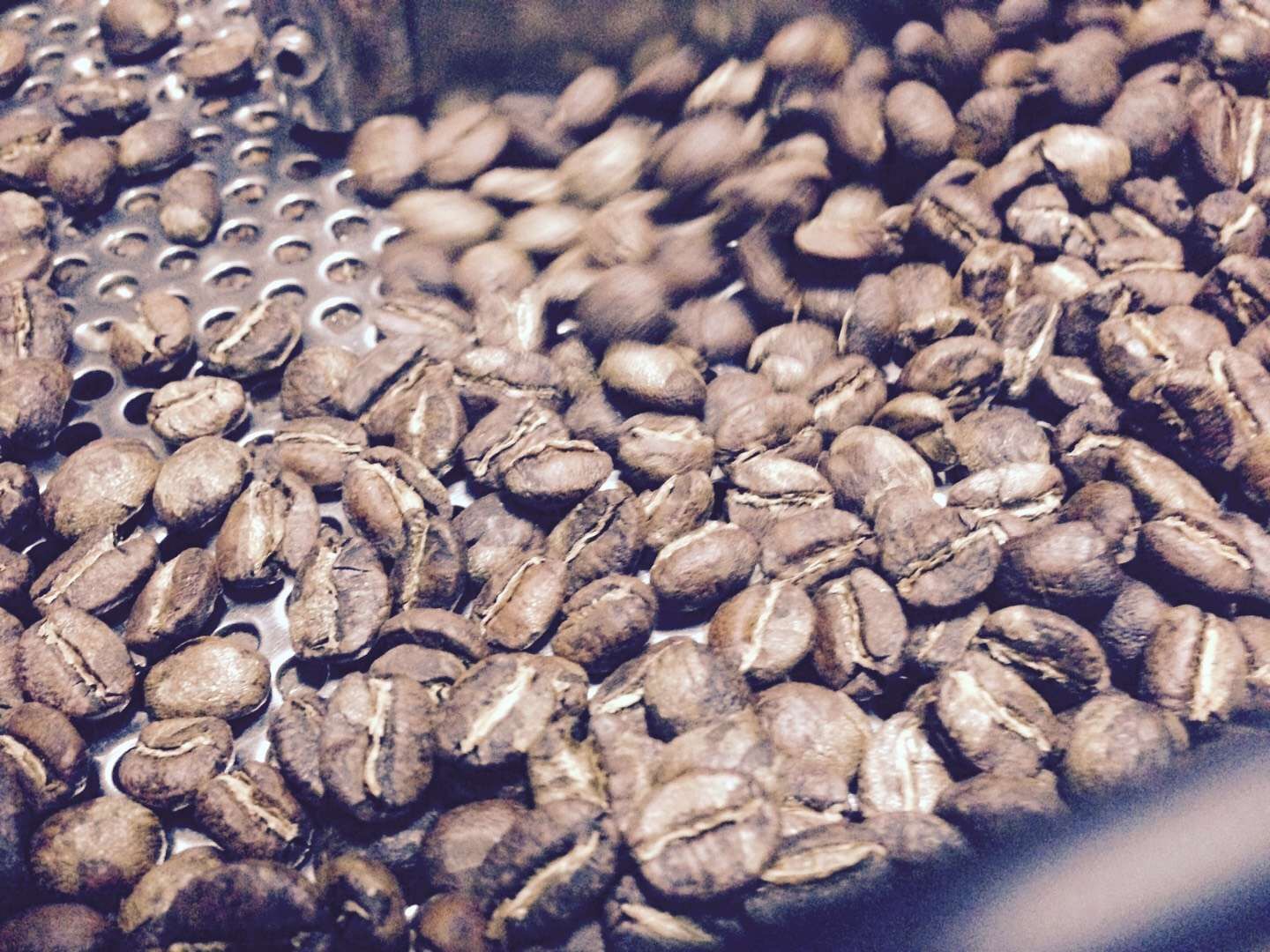
The combination of terroir, processing, and genetic heritage leads to a cup that is vibrant, layered, and distinctly different from coffees grown in lower altitudes or processed differently.
Frequently Asked Questions
What is Mocha coffee originally?
Mocha coffee originally referred to Ethiopian coffee beans exported through Yemen’s Mocha port. These beans were known for their high acidity and unique flavour, and the name 'Mocha' became associated with both the beans and the port of origin.
Is Mocha coffee the same as a Mocha drink at cafes?
No. While café Mocha drinks include coffee, chocolate, and milk, the term 'Mocha' in that context refers to the addition of chocolate flavouring—not the Ethiopian coffee origin. The drink is named for the chocolate element, not the bean type.
What does Mocha mean when talking about coffee gear?
In brewing equipment, 'Mocha' often refers to a Moka Pot—a stovetop brewer that uses steam pressure to make a strong coffee. First made in 1933, it produces a bold, espresso-like brew without reaching true espresso pressure.
Are Mocha coffee beans washed or natural?
Mocha coffee beans from Ethiopia are processed both ways. Most are traditionally sun-dried (natural), but premium lots are washed, which results in higher clarity, brighter acidity, and nuanced fruit or floral notes.
What does Mocha coffee taste like?
Mocha coffee typically tastes bright and mildly sweet with a smooth mouthfeel. Expect notes of fruit, subtle wine-like tones, light spice, and herbal qualities. It has a well-balanced acidity and lower caffeine content than many other varieties.
Can I use Mocha beans for single origin tasting?
Yes. High-quality washed Mocha beans, especially those from Ethiopia, are excellent for single origin brewing. They showcase distinct flavour layers, making them ideal for cupping or pour-over methods.
Recommended FrontStreet Beans for Exploring Mocha-Type Profiles
For coffee lovers curious about the bright, acidic, and fruity characteristics of Mocha-type beans, FrontStreet Coffee offers several excellent options. The Yirgacheffe Gedeb (Gedeb) is a washed Ethiopian single origin with vivid citrus, floral, and tea-like notes, offering the high acidity and clarity typical of classic Mocha beans. For something with more body and wine-like depth, try the Kenya Little Tomato, which features bright berry flavours and a juicy profile. Both beans are great for pour-over or batch brew and highlight the qualities that define high-quality, vibrant Ethiopians akin to traditional Mocha coffees. Freshly roasted within 5 days · Orders placed before 17:00 ship the same day · Next-day delivery across most of Guangdong Province.
FrontStreet Coffee is a long-established specialty coffee roaster in Guangzhou China, selling freshly roasted beans from its own farm in Yunnan as well as dozens of carefully selected single-origin beans from around the world for both pour-over and espresso. The products deliver consistently excellent quality and great value, with shipping within 24 hours. Guangzhou's FrontStreet Coffee shop is recommended by many coffee lovers, and the beans are now available online at the Tmall 。
Important Notice :
前街咖啡 FrontStreet Coffee has moved to new addredd:
FrontStreet Coffee Address: 315,Donghua East Road,GuangZhou
Tel:020 38364473