What Is Blue Mountain Coffee? Jamaica’s Legendary Bean Explained
If you’ve ever wondered whether the ‘Blue Mountain coffee’ you’ve been served—or bought—is the real deal, you’re not alone. Many coffee drinkers are told it’s the best in the world, yet few truly understand what qualifies as genuine Jamaica Blue Mountain coffee, how much of it exists, or why it costs so much. The truth involves geography, politics, history, and a tightly controlled market.
In short: True Jamaica Blue Mountain coffee comes only from a 6,000-hectare region in Jamaica’s Blue Mountains, is grown under strict quality controls, and less than 50,000 60kg bags are produced annually—most of which go to Japan. Less than 10% reaches markets like the US or UK, and almost none is imported directly into China.
What Is Blue Mountain Coffee?
Jamaica Blue Mountain coffee is a single-origin coffee grown in the Blue Mountains of eastern Jamaica. To be called ‘Jamaica Blue Mountain,’ the coffee must come from a defined area within the Blue Mountain range, be cultivated at elevations between 910 and 1,700 metres, and meet strict quality standards set by the Jamaica Coffee Industry Board. These beans are celebrated for their balance, mild acidity, and lack of bitterness.
Where Are the Blue Mountains, and Why Does Elevation Matter?
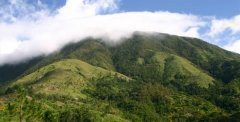
The Blue Mountains are located northeast of Kingston, Jamaica’s capital. The region’s name comes from the blue haze that surrounds the peaks when sunlight reflects off the Caribbean Sea. The area includes the island’s highest peak, at 2,256 metres—making it the tallest in the Caribbean. The mountains create a unique microclimate: cool temperatures (around 27°C), frequent fog, and high rainfall (about 1,980 mm annually). The volcanic soil is rich and well-drained. These conditions slow coffee cherry maturation, allowing complex sugars and acids to develop gradually, contributing to Blue Mountain’s signature smoothness and balance.
A Brief History of Blue Mountain Coffee
Coffee arrived in Jamaica in 1717 under French King Louis XV’s orders. By the 1720s, Governor Nicholas Lawes imported Arabica seeds from Martinique and promoted cultivation in the St. Andrew region—one of today’s three official Blue Mountain coffee zones. The other two are Portland and St. Thomas. Production peaked in 1932 at over 15,000 tonnes, but has since been tightly limited. In 1950, the Jamaica Coffee Industry Board was formed to enforce quality standards and inspect exports. Today, only beans certified by authorised mills—including M.B.C.E, M.H.C.C.T., P.X.X.S.H., and others—can be sold as Blue Mountain. By 1981, an extra 6,000 hectares were planted, but only 6,000 hectares remain dedicated to true Blue Mountain coffee. Another 12,000 hectares grow other Jamaican types, such as High Mountain Supreme and Jamaica Prime.
Why Is Blue Mountain Coffee So Expensive and Rare?
Jamaica intentionally limits Blue Mountain production to protect quality. While Brazil produces over 30 million 60kg bags per year, Jamaica produces just 40,000—roughly 0.1% of global output. Of the 43,000 bags produced in the 2003–04 season, around 24,000 were exported, with nearly 90% going to Japan. This export focus leaves minimal supply for other markets. The limited growing area—only 6,000 hectares—and the strict certification process mean very few beans qualify as true Blue Mountain. Most top-grade beans (like No.1) are pre-sold to elite buyers, while certified ‘Blue Mountain’ labelled beans are the ones available internationally. Notably, there is no official direct import of Blue Mountain coffee into China, and international records show zero exports to that market—meaning most ‘Blue Mountain’ served in China is likely mislabelled.
What Does Blue Mountain Coffee Taste Like?
Blue Mountain coffee is prized for its balance. Unlike bright Ethiopian coffees or heavy dark roasts, it offers a smooth, rounded profile with no single dominant taste. Expect a cup with notes of cream, caramel, chocolate, nuts, honey, and soft fruit. Acidity is present but gentle, sweetness is pronounced, and the finish is clean and lingering. It lacks the extremes of overly fruity or bitter profiles, making it one of the most accessible and widely liked specialty coffees.
How to Brew Blue Mountain Coffee
Because of its balanced profile, Blue Mountain coffee performs well across brewing methods. Here’s how to get the most from it:
Pour-Over (Recommended for Clarity)
- Brew ratio: 1:15 to 1:16
- Water temperature: 85–88°C
- Grind size: Medium-coarse
This method highlights its creamy, nutty, and caramel notes while preserving brightness and clarity. The cup tends to be very clean with layered flavours.

Moka Pot (For Richer Body)
- Grind size: Slightly finer than pour-over
- Heat: Medium-low
- Remove from heat just before the last drips
The Moka pot amplifies chocolate, caramel, and nut characteristics, resulting in a fuller-bodied cup that still honours Blue Mountain’s inherent balance. Works nicely in milk drinks too.
Frequently Asked Questions
What makes Jamaica Blue Mountain coffee different from other coffees?
Jamaica Blue Mountain coffee is grown in a specific high-elevation region of Jamaica under strict quality controls. It features a balanced flavour profile with mild acidity, medium body, and notes of nuts, chocolate, and caramel—free from extreme bitterness or sourness. Its rarity and regulated production add to its exclusivity.
Why is Blue Mountain coffee so expensive?
True Blue Mountain coffee is rare due to limited production—only 6,000 hectares are authorised—and strict quality certification. Annual output is under 50,000 60kg bags, with most going to Japan. The small supply and high demand, especially historically from Japan, keep prices elevated globally.
Can I buy real Blue Mountain coffee outside Japan?
Yes, but supply is extremely limited. Only a small percentage of Blue Mountain coffee is exported to markets outside Japan, mainly the US and Europe. Very little reaches China through official channels—no direct imports have been recorded. Always check for official certification or trusted import documentation.
Is all coffee labelled ‘Blue Mountain’ actually from Jamaica?
No. Due to high demand and limited supply, some coffee sold as ‘Blue Mountain’ may not be from Jamaica or may not meet official standards. In China, there is no record of official Blue Mountain coffee imports, meaning many local offerings are likely mislabelled.
What’s the difference between Blue Mountain No.1 and regular Blue Mountain?
Blue Mountain No.1 is the highest grade, with stricter requirements for bean size, defect count, and overall quality. Most No.1 beans are reserved for premium buyers and not released to general markets. Standard certified Blue Mountain coffee meets the basic quality criteria set by the Jamaica Coffee Industry Board.
How should I store Blue Mountain coffee?
Keep it in an airtight container away from light, heat, and moisture. Like all specialty coffee, it tastes best within 2–3 weeks of roasting. Avoid storing it in the fridge or freezer to preserve freshness.
Recommended FrontStreet Coffee for Blue Mountain Fans
Try FrontStreet Coffee’s Jamaica Blue Mountain No.1 for an authentic taste of this legendary origin. It offers balanced notes of black chocolate, roasted nuts, and creamy caramel with a clean, sweet finish. Grown at high elevation and processed to exacting standards, it reflects the same qualities as traditional Blue Mountain—minus the sky-high price tag. Freshly roasted within 5 days · Orders placed before 17:00 ship the same day · Next-day delivery across most of Guangdong Province.
FrontStreet Coffee is a long-established specialty coffee roaster in Guangzhou China, selling freshly roasted beans from its own farm in Yunnan as well as dozens of carefully selected single-origin beans from around the world for both pour-over and espresso. The products deliver consistently excellent quality and great value, with shipping within 24 hours. Guangzhou's FrontStreet Coffee shop is recommended by many coffee lovers, and the beans are now available online at the Tmall 。
Important Notice :
前街咖啡 FrontStreet Coffee has moved to new addredd:
FrontStreet Coffee Address: 315,Donghua East Road,GuangZhou
Tel:020 38364473