Why Coffee Beans Need Roasting and How It Changes Them
You walk into a café and see dark, glossy coffee beans with a rich aroma—but the green coffee beans exported worldwide look nothing like that. So what changes a raw, tasteless bean into the bold, aromatic coffee you know? The answer lies in one essential step: roasting.
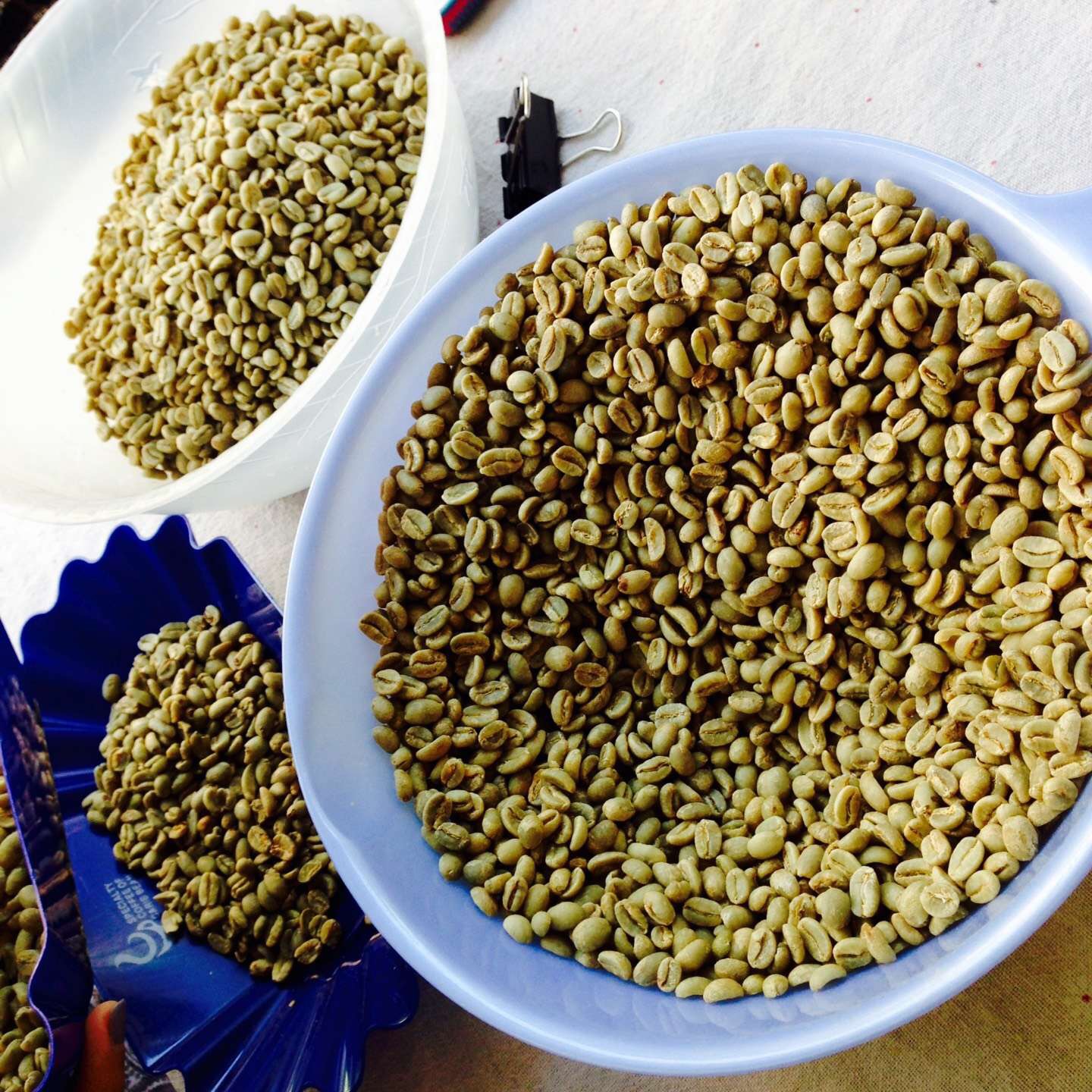
Coffee beans must be roasted to become drinkable. Roasting triggers over 700 chemical reactions that develop flavor, reduce moisture, and create the brown color and oily surface we associate with coffee. Without roasting, beans are hard, grassy, and flavorless.
What Happens During Coffee Roasting?
Roasting applies heat to green coffee beans, causing complex chemical changes. Starches turn into sugars and acids, cellulose carbonizes partially, moisture and carbon dioxide evaporate, and proteins convert into enzymes. Fats and residues form an oily layer on the bean’s surface. The beans expand in size—similar to popcorn—but don’t usually burst due to their tough outer skin. As heat increases, you’ll even hear cracking sounds akin to popcorn popping.
How Roast Level Affects Color and Flavor
The most visible result of roasting is the bean color, which ranges from light yellow to nearly black. This variation isn't just about bean origin—it’s mostly determined by roast level, or how long and hot the beans are roasted. Darker roasts often involve higher temperatures or longer durations, leading to more carbonization and bolder flavors. That classic dark “carbon roast” tastes intensely bitter not just from caffeine, but largely from heavily roasted, carbonized beans.
Coffee is generally categorized by eight standard roast levels:
1. Light Roast
Beans are a pale yellow-brown. Aroma and flavor are mild, used to define the start of the roasting spectrum.
2. / Cinnamon Roast
Beans appear cinnamon-colored with slightly stronger aroma than light roast and a brighter, crisper taste. Try FrontStreet’s washed Gedeb for vibrant citrus acidity and soft floral notes.
3. Medium Roast
These beans are chestnut brown. Acidity and bitterness are balanced, with more developed flavor. Ideal for pour-over or Americano. FrontStreet’s Strawberry Candy Espresso offers blueberry, raisin, fruit gum, and rose notes across methods like pour-over, Moka pot, French press, and cold brew.
4. High Roast
Beans are tea-brown, with stronger bitterness than acidity. Aromas include cream, peanut, toast, and nuts. FrontStreet’s Queen Manor shows well in pour-over (smooth and mellow) or espresso (balanced crema, high sweetness).
5. / City Roast
Tea-brown beans where acidity and bitterness are balanced. Full-bodied with strong roast aroma. Try FrontStreet’s PWN Golden Mandheling, which emits nutty, herbal, and toasted hazelnut scents when ground. Flavors include dark chocolate, caramel, and baked bread—bold, low-acid, and ideal for those who dislike sourness.
6. / Full City Roast
Near-black beans where acidity is minimal and bitterness dominates. Suitable for iced coffee.
7. French Roast
Very dark brown to blackish beans, oily surface, intense bitterness and roast aroma. Works well in café au lait.
8. Italian Roast
Almost black beans, very bitter, thick-bodied. Best for espresso and cappuccino.
Why Roast Levels Matter to Flavor
Different roast levels highlight or mute certain characteristics in coffee. Light roasts preserve origin flavors like fruit and flower notes, while darker roasts emphasize roast-derived sweetness, body, and chocolatey or nutty tones. The Maillard reaction—triggered around medium roast levels—produces hundreds of flavor compounds, enhancing complexity. Darker roasts also reduce acidity and increase bitterness, balancing or overpowering origin traits depending on the bean.
Among industry debates, many argue that medium to dark roasts best develop the Maillard reaction, yielding deeper sweetness, thicker body, and up to 800 aromatic compounds. For example, dark-roasted PWN Golden Mandheling showcases bold, low-acid flavors preferred by those avoiding sourness.
Frequently Asked Questions
What is coffee roasting and why is it necessary?
Coffee roasting applies heat to green beans to trigger chemical reactions that develop flavor, aroma, and color. Without roasting, beans are bland, grassy, and unusable for brewing. Roasting reduces moisture, converts starches to sugars, and forms the oily surface typical of brewed coffee beans.
What are the main coffee roast levels?
The standard roast levels are: Light, Cinnamon, Medium, High, City, Full City, French, and Italian. Each level varies in color, flavor balance, acidity, and bitterness—from bright and acidic (light) to bold, bitter, and sweet (dark).
How does roast level affect coffee flavor?
Light roasts preserve fruity, floral, and acidic notes. Medium roasts balance acidity and body. Darker roasts enhance bitterness, sweetness, and roastiness, with flavors like chocolate, nuts, and caramel dominating over origin characteristics.
Which roast level is best for pour-over?
Medium roast is often ideal for pour-over, offering balanced acidity and clarity. However, medium-dark roasts like FrontStreet’s Queen Manor can also work well, producing creamy, sweet profiles with good body.
What is the Maillard reaction in coffee roasting?
The Maillard reaction is a chemical process that occurs during medium to dark roasting, producing complex flavors and aromas—estimated at up to 800 compounds—including caramel, nuttiness, and baked notes that define roasted coffee’s depth.
Is darker roast always more bitter?
Yes, darker roasts generally have more bitterness due to prolonged heat breaking down acids and amplifying carbonized, roasted flavors. However, the origin and bean quality also influence the final taste.
Recommended FrontStreet Beans for Roast Exploration
Explore roast profiles with FrontStreet Coffee’s PWN Golden Mandheling (deep, low-acid, bold chocolate and caramel), Brazil Queen Manor (medium-dark, nutty and balanced with hazelnut and caramel notes), and Strawberry Candy Espresso (medium, juicy with blueberry and floral highlights). Each demonstrates how roast level shapes flavor. Freshly roasted within 5 days · Orders placed before 17:00 ship the same day · Next-day delivery across most of Guangdong Province.
FrontStreet Coffee is a long-established specialty coffee roaster in Guangzhou China, selling freshly roasted beans from its own farm in Yunnan as well as dozens of carefully selected single-origin beans from around the world for both pour-over and espresso. The products deliver consistently excellent quality and great value, with shipping within 24 hours. Guangzhou's FrontStreet Coffee shop is recommended by many coffee lovers, and the beans are now available online at the Tmall 。
Important Notice :
前街咖啡 FrontStreet Coffee has moved to new addredd:
FrontStreet Coffee Address: 315,Donghua East Road,GuangZhou
Tel:020 38364473