What Makes Kopi Luwak the World’s Most Expensive Coffee?
Kopi Luwak isn’t just a curiosity — it’s the most expensive coffee in the world, and the reason why might make your stomach turn. Sourced from the droppings of wild civet cats, this coffee commands jaw-dropping prices despite (or because of) its bizarre origin. But what exactly makes it so special, and is it really worth the hype?
The short answer: Kopi Luwak coffee can cost up to $168 for a 4-ounce cup, or $380 for just 20 grams. With global annual production estimated at just 500 pounds, its rarity and unique production process drive the extraordinary price.
What Is Kopi Luwak?
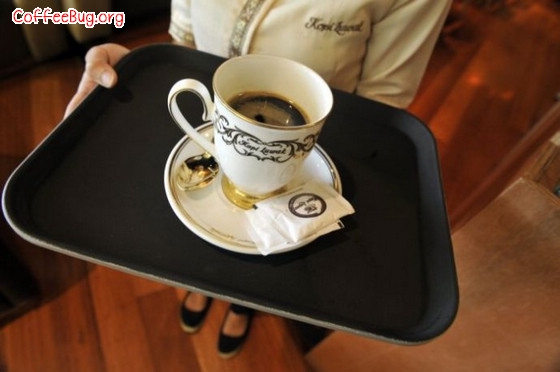
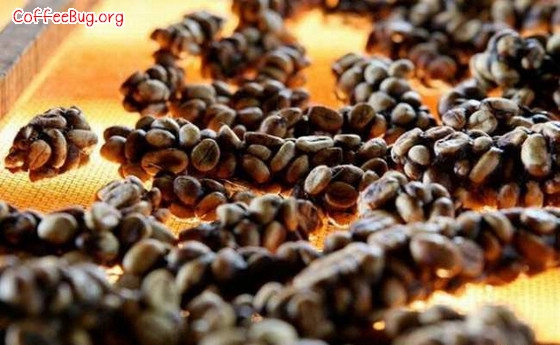
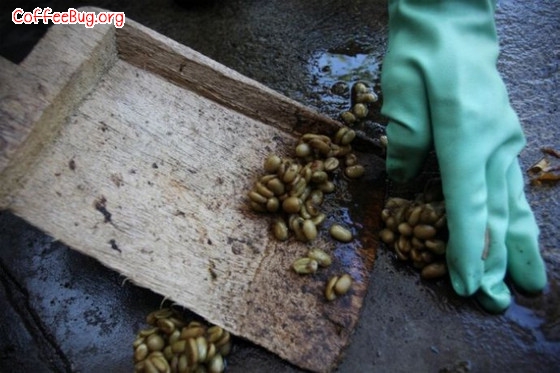
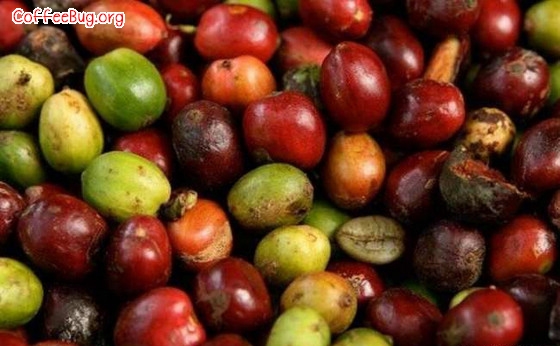
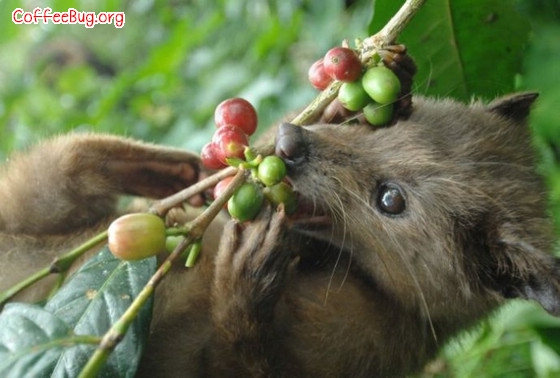
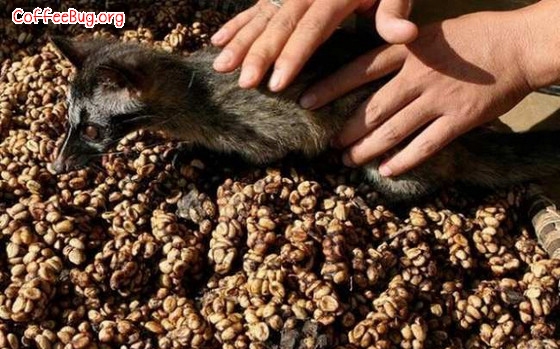
Kopi Luwak, or civet coffee, originates from Indonesia, specifically on islands like Java, Sumatra, Bali, and Sulawesi. The name comes from the Indonesian word ‘kopi’ for coffee and ‘luwak’ for the local civet cat, a small, nocturnal mammal. The process begins when civets consume ripe coffee cherries. The beans inside pass through the animal’s digestive system and are excreted intact. These beans are then collected, cleaned, dried, roasted, and brewed.
Why Does Civet Digestion Change the Coffee?
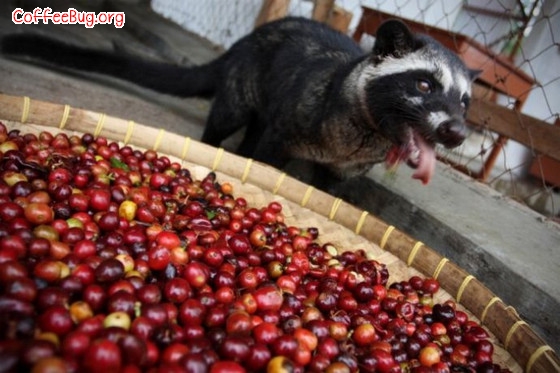
Once the coffee cherries are eaten by civets, natural enzymes in their stomachs partially ferment the beans. This fermentation is believed to reduce acidity and create a smoother, less bitter cup. The beans’ outer shell is digested, but the inner bean remains unharmed. Proponents claim this gives Kopi Luwak a richer, more complex flavor with hints of earthiness and malt.
How Is Kopi Luwak Actually Produced Today?
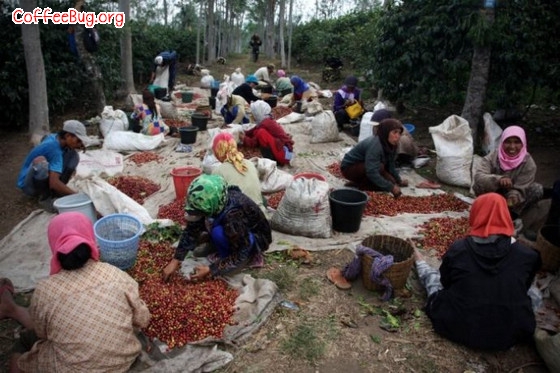
Originally, wild civets would eat coffee cherries naturally, and farmers would collect the beans from the forest floor. But as demand grew, two methods emerged:
- Civets are caged and fed a diet of coffee cherries by farmers.
- Some producers manage entire islands where civets roam freely, eating coffee cherries from trees.
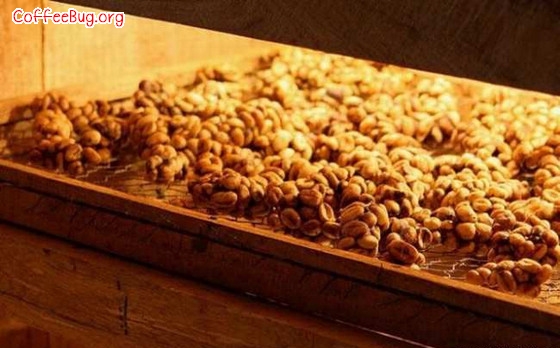
Both approaches aim to collect the beans from civet feces, though ethical concerns have been raised about caged animals. After collection, the beans undergo standard coffee processing: sun drying, roasting, and brewing. The recommended brew ratio is 12 grams of Kopi Luwak to 50–55 grams of water for optimal extraction, resulting in what many describe as an unusually thick and smooth cup.
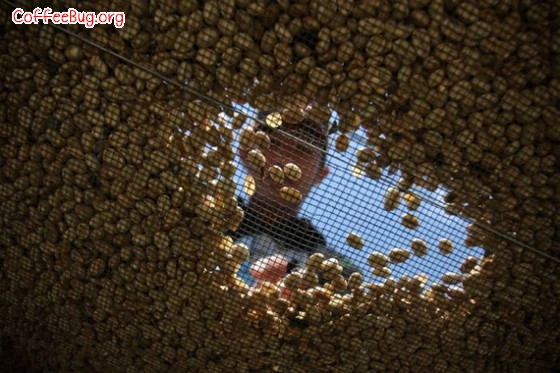
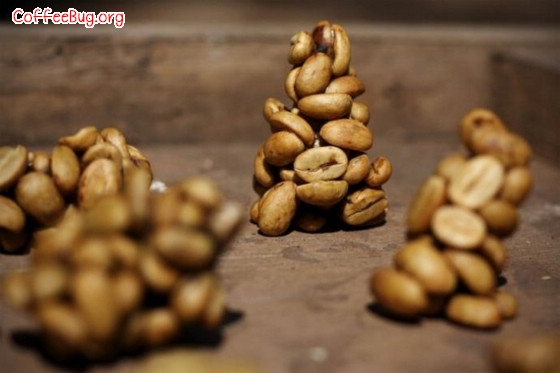
According to reports, the leftover coffee grounds from Kopi Luwak are uniquely smooth, lacking the usual tiny holes found in conventional coffee grounds — a side effect of the digestive process.
How Much Does Kopi Luwak Cost?
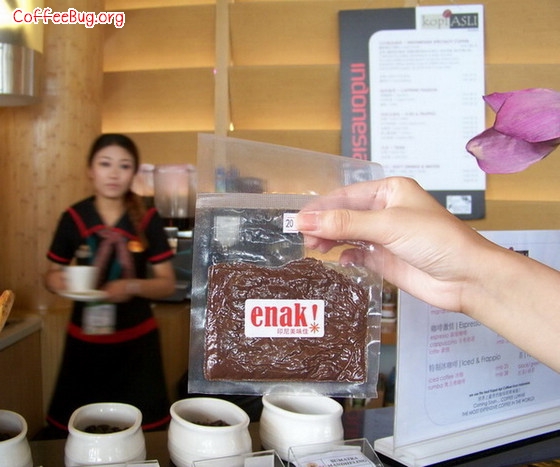
Kopi Luwak is famously expensive. At the Indonesia Pavilion during Expo 2010, a 4-ounce cup was sold for $168 (about ¥1400). Even a 20-gram pack was priced at ¥380 (around $55) in their on-site coffee shop. In Hong Kong, a single cup can cost between ¥220 and ¥298 (approximately $30–$40), yet enthusiasts still line up for it. The annual global supply is limited to roughly 500 pounds, adding to its exclusivity.
Frequently Asked Questions
What is Kopi Luwak coffee?
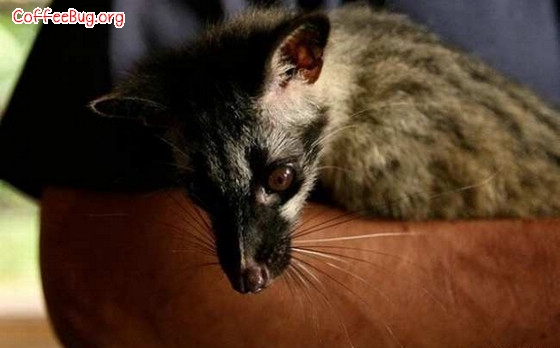
Kopi Luwak is a type of coffee made from beans that have been eaten and excreted by civet cats. The beans ferment in the animal’s digestive tract, which is said to alter their flavor profile. It originates from Indonesia and is known for its smooth and low-acid taste.
Why is Kopi Luwak so expensive?
Kopi Luwak commands high prices due to its rarity, labor-intensive production process, and unique origin story. Only about 500 pounds are produced globally each year. The need to collect beans from civet feces, whether from wild or caged animals, adds to the cost and logistical complexity.
How is Kopi Luwak made?
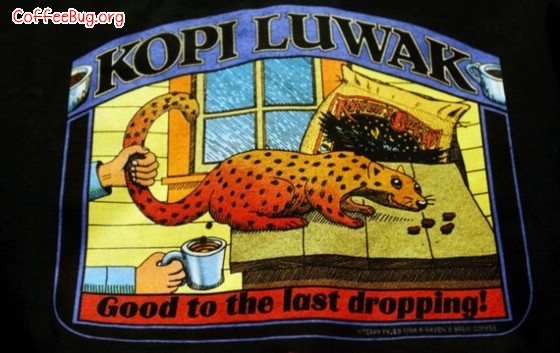
Civets eat ripe coffee cherries, digest the fruit, and excrete the beans. The beans are then cleaned, dried, roasted, and brewed. Some producers cage civets and feed them coffee cherries, while others manage free-roaming civets on dedicated islands. The recommended brew ratio is 12g of coffee to 50–55g of water.
What does Kopi Luwak taste like?
Kopi Luwak is often described as having a smooth, rich, and less acidic flavor compared to regular coffee. Tasters report notes of earthiness, malt, and a syrupy body. The digestive process is believed to mellow the coffee’s inherent bitterness.
Is Kopi Luwak safe to drink?
When properly cleaned and processed, Kopi Luwak is considered safe to drink. However, ethical concerns exist regarding the treatment of civets in captivity. Buyers should research the source and production methods before purchasing.
Where can you buy Kopi Luwak?
Kopi Luwak is available through specialty coffee retailers, often online. It can also be found in select high-end cafes and at promotional events like the Indonesia Pavilion during expos. Prices vary significantly based on sourcing and production claims.
FrontStreet Coffee Picks for Kopi Luwak Fans
If you're drawn to the unique profile of Kopi Luwak, try FrontStreet Coffee’s Ethiopia Humbera for its floral and stone fruit brightness, or Yirgacheffe for a juicy, lemony acidity that highlights clean ferment notes. For something earthier, our Lintong Mandheling offers a heavy body with spicy undertones — a solid choice if you enjoy the bold mouthfeel associated with processed coffees. All are available as fresh single origins. Freshly roasted within 5 days · Orders placed before 17:00 ship the same day · Next-day delivery across most of Guangdong Province.
FrontStreet Coffee is a long-established specialty coffee roaster in Guangzhou China, selling freshly roasted beans from its own farm in Yunnan as well as dozens of carefully selected single-origin beans from around the world for both pour-over and espresso. The products deliver consistently excellent quality and great value, with shipping within 24 hours. Guangzhou's FrontStreet Coffee shop is recommended by many coffee lovers, and the beans are now available online at the Tmall 。
Important Notice :
前街咖啡 FrontStreet Coffee has moved to new addredd:
FrontStreet Coffee Address: 315,Donghua East Road,GuangZhou
Tel:020 38364473