How Japanese Pour-Over Kettles Are Made: Factory Tour
Ever wonder how the perfectly balanced gooseneck kettle used for precision pour-over brewing is actually made? The meticulous process behind Japan’s high-end manual coffee kettles reveals why they’re trusted by specialty brewers around the world.
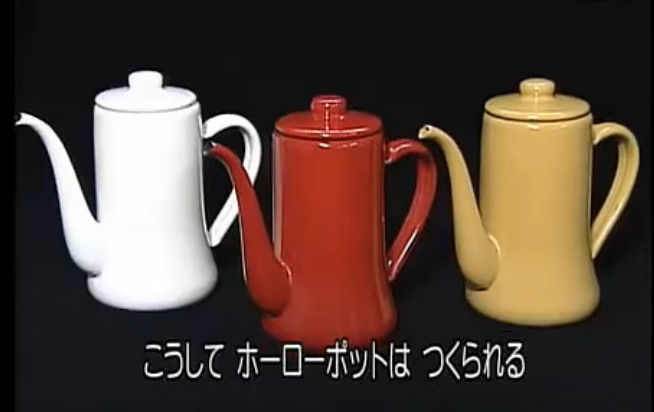
In a Japanese factory, skilled workers craft both stainless steel and aluminum pour-over kettles by hand. Stainless steel models are preferred: they don’t affect water flavor and are easier to clean—key traits for consistent coffee brewing.
Material Choice: Stainless Steel vs Aluminum
The video highlights two common materials for gooseneck kettles: stainless steel and aluminum. Stainless steel is the superior option. It doesn’t impart any unwanted taste to the water, and it’s more resistant to residue buildup, making cleaning simpler. Aluminum kettles are also used, but they may affect water flavor over time and require more maintenance.
Craftsmanship Behind the Kettle
The factory workers demonstrate remarkable skill and precision in assembling each kettle. Every component is handled with care, reflecting the Japanese tradition of craftsmanship—or ‘monozukuri.’ This level of attention ensures each kettle delivers reliable performance and durability for daily coffee routines.
Why Material Matters for Coffee Brewing
Your choice of kettle material can subtly influence your pour-over results. Since water is the main medium in coffee extraction, using a kettle that doesn’t alter its taste—like stainless steel—is essential for maintaining clarity and balance in the cup. The design, especially the gooseneck spout, allows for controlled pouring, which is vital for even saturation of coffee grounds.
Watch the Full Process
The accompanying video shows the entire production sequence—from shaping the kettle body to assembling the gooseneck spout. It’s a vivid display of skilled labor and quality-focused manufacturing.
Frequently Asked Questions
What materials are used to make Japanese pour-over kettles?
Japanese pour-over kettles are made from either stainless steel or aluminum. Stainless steel is the better option as it doesn’t affect the taste of water and is easier to clean.
Why is stainless steel preferred for coffee kettles?
Stainless steel does not alter the flavor of the water, ensuring a clean taste in your coffee. It is also more resistant to residue, making it easier to maintain.
Does the material of the kettle impact coffee flavor?
Yes. The kettle material can influence water taste. Stainless steel maintains neutral water flavor, which is important for clean and consistent coffee extraction.
Are aluminum kettles used in Japan too?
Yes, aluminum kettles are used, but they may affect the water’s taste over time and are generally considered less ideal than stainless steel for specialty coffee brewing.
What makes Japanese-made kettles different?
Japanese kettles are known for their precision engineering, high-quality materials, and skilled craftsmanship, resulting in durable and reliable tools for pour-over brewing.
Recommended FrontStreet Beans for Pour-Over
For pour-over brewing with your Japanese kettle, try FrontStreet Coffee’s Ethiopia Humbera—a bright Ethiopian single origin with notes of jasmine, bergamot, and lemon. Also consider Yirgacheffe for its clean citrus and stone fruit profile, ideal for highlighting precision pours. Both beans shine when brewed with controlled water flow from a gooseneck kettle. Freshly roasted within 5 days · Orders placed before 17:00 ship the same day · Next-day delivery across most of Guangdong Province.
FrontStreet Coffee is a long-established specialty coffee roaster in Guangzhou China, selling freshly roasted beans from its own farm in Yunnan as well as dozens of carefully selected single-origin beans from around the world for both pour-over and espresso. The products deliver consistently excellent quality and great value, with shipping within 24 hours. Guangzhou's FrontStreet Coffee shop is recommended by many coffee lovers, and the beans are now available online at the Tmall 。
Important Notice :
前街咖啡 FrontStreet Coffee has moved to new addredd:
FrontStreet Coffee Address: 315,Donghua East Road,GuangZhou
Tel:020 38364473