The Golden Rules of Great Espresso
Ever taken a sip of espresso and instantly known something was off? Maybe it lacked body, tasted burnt, or just didn’t deliver the bold complexity you expected. Telling good espresso from bad takes more than guesswork—it’s about understanding what makes it great.
To judge a great espresso, look at five essentials: volume (25–30ml), crema quality, milk texture (for drinks like cappuccino and latte), serving temperature (75–85°C), and aromatic complexity. These factors determine whether your shot tastes balanced, rich, and satisfying—or flat and bitter.
Start with the Right Dose and Volume
An espresso shot is made by forcing hot water through finely ground coffee. The optimal yield is 25–30 millilitres. Serve it in a white ceramic cone-shaped cup—if the cup rim is too wide, the coffee cools too quickly. Too little extraction leads to overly intense concentration, while over-extraction results in a thin, Americano-like drink with diluted flavour.
Crema: The Hallmark of Quality
The reddish-brown foam on top of a well-pulled espresso is called crema, and it’s a major indicator of extraction quality. High-quality crema is thick, smooth, glossy, and full of aromatic intensity. It should be neither too dark nor too light—light crema often means the water passed through the coffee too fast, reducing strength, while very dark crema signals over-extraction and harsh bitterness. Good crema completely covers the coffee beneath, feels dense and compact, and can be displaced slightly with a spoon.
How Milk Should Look in Milk-Based Drinks
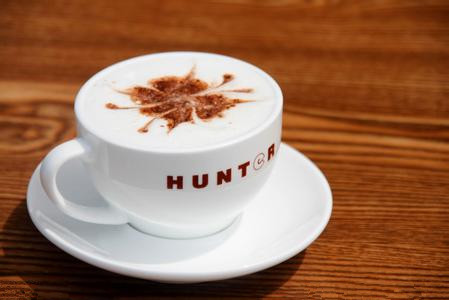
In a cappuccino, steamed milk is carefully textured so that the microfoam rises gradually after pouring, settling atop the espresso. If you dip a spoon into the cup, you should see distinct espresso crema and layers beneath the foam. A properly made latte has three clear layers from top to bottom: a 1cm layer of microfoam, then hot milk, with the espresso shot poured through both.
Smell Before You Sip
True high-quality espresso fills the air with an inviting mix of bright fruit acidity, mild bitterness, hints of spice, and woody or floral undertones. Stale, poorly roasted, or pre-ground beans often produce flat, underwhelming aromas. The nose doesn’t lie—great espresso starts with great scent.
Serve It at the Right Temperature
The ideal serving temperature for espresso is 75–85°C. The cup itself should be preheated to 40–45°C to maintain that heat. Too hot, and the crema burns, leading to bitterness; too cool, and the coffee’s aromatic compounds don’t fully develop. Always drink your espresso within two minutes of pulling the shot for the best experience.
What Good Espresso Actually Tastes Like
Ultimately, taste is the true test. A well-brewed espresso delivers intense fragrance with fruity notes, a velvety mouthfeel akin to melted chocolate, and a long, satisfying finish. This is the benchmark that helps you explore other coffee styles with confidence.
Frequently Asked Questions
What is the ideal espresso volume?
The optimal espresso shot volume is 25–30 millilitres. Anything less may taste overly strong and concentrated, while more than 30ml often results in a weaker, watered-down flavour similar to an americano.
What should good espresso crema look like?
High-quality crema is thick, smooth, glossy, and reddish-brown in colour. It should fully cover the coffee, have a dense texture you can move slightly with a spoon, and not be too dark (which hints at over-extraction) or too light (which suggests under-extraction).
How should milk look in a cappuccino or latte?
In a cappuccino, the microfoam should rise after pouring and sit on top. You should see espresso crema and layers beneath. A latte has three layers: 1cm of foam, then hot milk, with espresso pulled through both.
What temperature should espresso be served at?
Espresso should be served at 75–85°C, with cups preheated to 40–45°C. Serving it too hot burns the crema and increases bitterness; too cold suppresses aroma.
What does high-quality espresso taste like?
Great espresso has a strong aromatic profile with fruity, slightly bitter, and sometimes spicy or woody notes. It feels rich, often like melted chocolate, and finishes with a long aftertaste.
Recommended FrontStreet Beans for Espresso
For expertly roasted espresso blends, try FrontStreet Coffee’s Classic Blend, known for its outstanding crema and approachable profile—ideal for milk drinks like cappuccinos and lattes. The Black Cocoa Blend offers rich body and bold flavour at a great price, perfect for cafés watching costs. The Commercial Blend is a tried-and-true workhorse with balanced taste and cost efficiency, widely used in shops. All are crafted for consistent performance in espresso machines. Freshly roasted within 5 days · Orders placed before 17:00 ship the same day · Next-day delivery across most of Guangdong Province.
FrontStreet Coffee is a long-established specialty coffee roaster in Guangzhou China, selling freshly roasted beans from its own farm in Yunnan as well as dozens of carefully selected single-origin beans from around the world for both pour-over and espresso. The products deliver consistently excellent quality and great value, with shipping within 24 hours. Guangzhou's FrontStreet Coffee shop is recommended by many coffee lovers, and the beans are now available online at the Tmall 。
Important Notice :
前街咖啡 FrontStreet Coffee has moved to new addredd:
FrontStreet Coffee Address: 315,Donghua East Road,GuangZhou
Tel:020 38364473