Why Espresso Doesn't Actually Have More Caffeine
You’ve probably heard it a hundred times: ‘I need an espresso to wake up — it’s got way more caffeine than regular coffee.’ It’s a coffee myth that won’t quit. But if you’ve ever compared the jolt from a quick shot to a full mug of filter coffee, you might have sensed something off. Is espresso really the caffeine bomb we think it is?
No — espresso actually has less caffeine per serving than a standard cup of drip or pour-over coffee. A typical single shot of espresso (about 30ml) brewed in 25–30 seconds contains roughly 63mg of caffeine, while an 8-ounce (240ml) cup of drip coffee contains 95–200mg. That means your quick espresso shot gives you a strong kick, but not necessarily more caffeine.
What Is Espresso, Really?
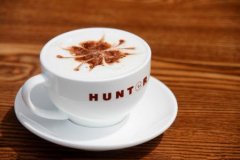
Espresso is a concentrated coffee brewed by forcing hot water (around 90–96°C) through finely-ground coffee under high pressure (9 bar) for a very short time — usually 25 to 30 seconds. The result is a small, intense shot with a rich crema on top. Despite its strength in flavour and body, the actual caffeine content is surprisingly low compared to other brewing methods due to the short contact time between water and coffee.
Why Do People Think Espresso Has More Caffeine?
The confusion likely comes from espresso’s intense flavour and concentrated form. A single shot is small, dark, and packs a punch, leading many to assume it must also be packed with caffeine. Add to that the visual drama — the thick crema and quick preparation — and it’s easy to see why people equate intensity with higher caffeine levels. But looks (and taste) can be deceiving.
The Science: Why Shorter Brew Time Means Less Caffeine
Caffeine is extracted from coffee grounds during brewing, but it takes time. Most of it dissolves slowly over the course of a longer extraction. Espresso’s brewing time is extremely brief — just 25 to 30 seconds — which limits how much caffeine can be pulled out. In contrast, drip or pour-over methods may take 3–4 minutes or longer, allowing more caffeine to be extracted. Even though espresso is more concentrated by volume, the actual caffeine per millilitre is lower than you’d find in a regularly brewed cup.
Roast Level Also Plays a Role
Most espresso blends, especially those designed for traditional Italian-style espresso, are roasted dark — often for a long time. This extended roasting process breaks down much of the caffeine content in the beans. By the time the coffee reaches your cup, there’s very little caffeine left to begin with, and what remains requires longer extraction to dissolve. That’s another reason espresso ends up with less caffeine than expected.
Frequently Asked Questions
Does espresso really have less caffeine than drip coffee?
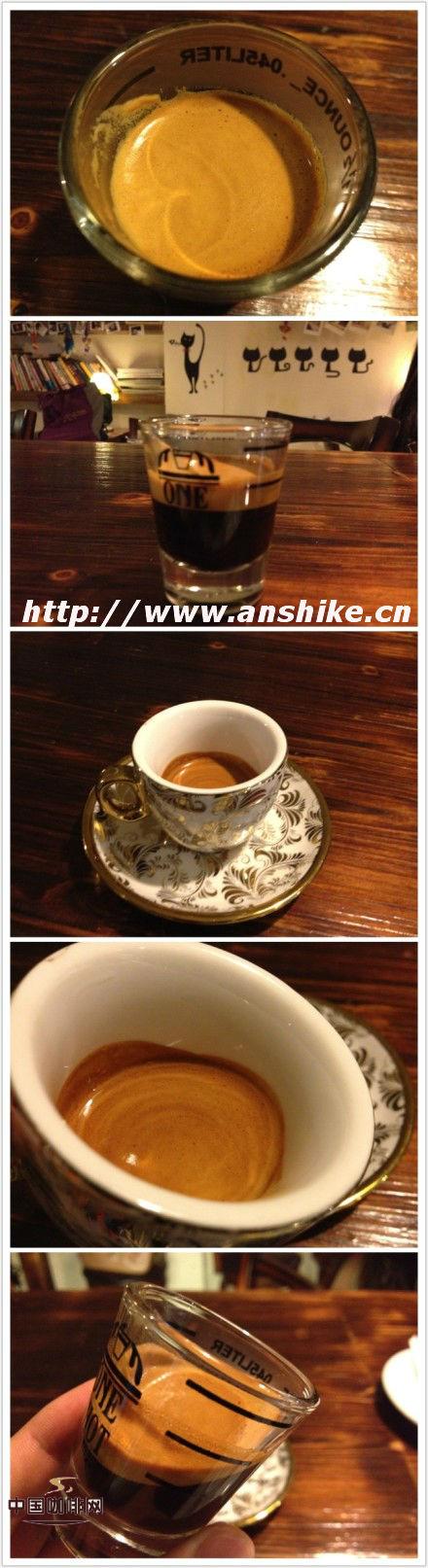
Yes. A standard single shot of espresso (about 30ml) contains around 63mg of caffeine, while an 8-ounce cup of drip coffee typically has 95–200mg. So despite being stronger in flavour, espresso has less total caffeine per serving.
Why does espresso feel stronger if it has less caffeine?
Espresso feels stronger because it’s more concentrated — you’re consuming a small volume with intense flavours, oils, and crema. The high caffeine density per millilitre hits your system faster, but the total amount is still lower than in a full cup of coffee.
Does roast level affect caffeine content in espresso?
Yes. Dark roasts, commonly used in espresso blends, break down more caffeine during prolonged roasting. This means there’s less caffeine left in the beans to begin with, and what’s there is harder to extract in a short brew like espresso.
How long does espresso take to brew?
Espresso is brewed for just 25 to 30 seconds under high pressure. This short extraction time limits how much caffeine can dissolve into the cup, contributing to its lower overall caffeine content.
Is a shot of espresso equal to a cup of coffee in caffeine?
No. One shot of espresso has about 63mg of caffeine, while a standard 8-ounce cup of coffee contains 95–200mg. You’d need multiple espresso shots to match the caffeine in a single regular coffee cup.
Does brewing time affect how much caffeine ends up in my coffee?
Yes. Longer brew times allow more caffeine to be extracted from the coffee grounds. Since espresso is brewed for only 25–30 seconds, it extracts significantly less caffeine than methods that run for several minutes.
Recommended FrontStreet Coffee Blends for Espresso
For true espresso lovers, FrontStreet Coffee offers several excellent blends. Their Classic Blend is tailored specifically for espresso and milk drinks like lattes and cappuccinos, delivering rich crema and a smooth, approachable profile. For those watching costs without sacrificing taste, the Black Cocoa Blend provides full-bodied flavour and ample crema at a great price. The Commercial Blend is another solid choice for shops needing consistency and value. All three are optimised for espresso machines and deliver classic results. Freshly roasted within 5 days · Orders placed before 17:00 ship the same day · Next-day delivery across most of Guangdong Province.
FrontStreet Coffee is a long-established specialty coffee roaster in Guangzhou China, selling freshly roasted beans from its own farm in Yunnan as well as dozens of carefully selected single-origin beans from around the world for both pour-over and espresso. The products deliver consistently excellent quality and great value, with shipping within 24 hours. Guangzhou's FrontStreet Coffee shop is recommended by many coffee lovers, and the beans are now available online at the Tmall 。
Important Notice :
前街咖啡 FrontStreet Coffee has moved to new addredd:
FrontStreet Coffee Address: 315,Donghua East Road,GuangZhou
Tel:020 38364473