What Is Kopi Luwak and Does It Actually Taste Good?
If you’ve ever heard someone order a cup of coffee allegedly made from civet poop, you’ve probably paused—and wondered if you misheard. But there’s a real, centuries-old tradition behind so-called ‘cat poop coffee,’ and it starts not in a lab or a roastery, but in the digestive tract of a small mammal native to Southeast Asia. The big question: what exactly is this coffee, and why does anyone pay hundreds of dollars for a single cup?
Yes, Kopi Luwak is real. It’s made from coffee beans that have been eaten, partially digested, and excreted by the Asian palm civet—also called a luwak or civet cat. After collection and thorough cleaning, those beans are roasted and brewed just like any other specialty coffee. A single 4-ounce cup can sell for as much as $168 (around ¥1,034).
What Is Kopi Luwak and How Is It Made?
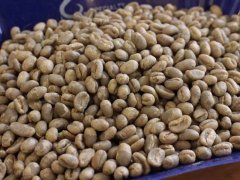
Kopi Luwak, also known as civet coffee or more accurately, luwak coffee, originates from Indonesia. The process begins when the Asian palm civet, a small, cat-like animal native to the region, eats ripe, juicy coffee cherries. The civet’s digestive system ferments the fruit but can’t fully break down the hard coffee beans inside. These beans pass through the civet’s gut and are excreted whole in its feces.
Local farmers then collect the droppings, meticulously sort through them, and wash the beans to remove any remaining waste. What follows are several steps including drying (often sun-drying), deodorizing, and finally roasting. The end product is a very limited batch of coffee beans said to have a uniquely smooth profile, despite the unusual origin story. Due to the small quantities produced and the labor-intensive process, Kopi Luwak remains among the most expensive coffees in the world.

Why Do Civets Eat Coffee Cherries?
The Asian palm civet is a frugivorous animal with a preference for sweet, ripe fruits—including coffee cherries when they’re in season. These cherries are fat, juicy, and sugar-rich, making them an appealing snack. What the civet is really after is the fruit’s pulp, but along with it, the animal consumes the coffee beans enclosed inside. The beans pass through the civet’s digestive tract undigested, where some claim fermentation alters their chemical makeup.
In the wild, civets choose which cherries to eat, typically favoring the ripest and highest-quality ones. Some commercial operations, however, capture and cage civets, force-feeding them large amounts of coffee cherries. This controversial practice is widely criticized for being unethical and is believed to negatively affect both the health of the animals and the quality of the resulting beans. More ethical producers allow civets to roam freely on islands or in forests, feeding naturally.
What Does Kopi Luwak Taste Like?
Critics and enthusiasts alike agree: Kopi Luwak doesn’t taste like typical Indonesian coffee. While many Indonesian coffees are known for earthy, herbal, or even medicinal qualities—along with a heavy body—Kopi Luwak diverges from that norm. Its most distinctive trait is an unusually low acidity and almost syrupy mouthfeel. Tasters often detect a unique fragrance reminiscent of honey or dark chocolate, with no bitter, sour, or astringent notes.
One of the most frequently reported characteristics is a lingering cooling sensation on the palate, similar to the aftereffect of mint or menthol. This cooling effect becomes especially noticeable when you exhale through your nose or sip cool water after drinking. The coffee is also said to produce sweet, creamy flavors without added milk or sugar. Even when served cold, Kopi Luwak retains a rich and mellow taste. When brewed, it releases aromas akin to caramel and chocolate.

Is Kopi Luwak Worth the Price?
With prices reaching up to $168 for a 4-ounce cup, Kopi Luwak is undoubtedly a luxury product. The high cost comes from the rarity of the beans, the labor involved in collecting and processing them, and the unusual backstory. However, whether it’s 'worth it' depends largely on personal taste preferences and curiosity. Some drinkers value the unique mouthfeel and lack of bitterness; others find the concept off-putting regardless of flavor.
It’s worth noting that ethical concerns have grown around mass-produced Kopi Luwak, especially when civets are caged and force-fed. If you’re considering trying it, look for sources that emphasize free-roaming, ethically raised civets. That said, the flavor experience is undeniably different from standard specialty coffees, for better or worse.
Frequently Asked Questions
What is Kopi Luwak coffee?
Kopi Luwak, also called civet coffee, is made from coffee beans that have been eaten and excreted by the Asian palm civet. The beans ferment slightly in the civet’s digestive tract, are collected from feces, cleaned, and then roasted. It originates from Indonesia and is known for its unusual production process.
Why is Kopi Luwak so expensive?
Kopi Luwak costs up to $168 for a 4-ounce cup due to the rarity of the beans, the complex and manual collection process, and its unique backstory. The beans are produced in small quantities and require careful sorting, cleaning, drying, and roasting.
What does Kopi Luwak taste like?
Kopi Luwak is described as having low acidity, a syrupy body, and flavors resembling honey, chocolate, or caramel. It lacks the bitterness, sourness, or astringency common in other coffees, and many report a cooling, mint-like sensation on the palate.
Is it true that Kopi Luwak comes from civet poop?
Yes. The coffee beans are eaten by civets, pass through their digestive system undigested, and are excreted in their feces. The beans are then collected, cleaned thoroughly, and processed into coffee. The ‘poop’ aspect refers to the origin of the beans, not the final product.
How is Kopi Luwak processed after collection?
After being collected from civet droppings, the beans are washed, sorted, and dried—typically in the sun. They are then deodorized and roasted using standard coffee roasting techniques. The entire process is labor-intensive and contributes to the coffee’s high price.
Is civet coffee ethical?
Ethical concerns exist, especially when civets are captured and kept in cages, force-fed coffee cherries. Ethical production involves free-roaming civets that eat cherries naturally. Consumers should seek out suppliers who prioritize animal welfare if interested in trying Kopi Luwak.

Recommended FrontStreet Beans for Exploring Unique Profiles
Try FrontStreet Coffee’s Ethiopia Humbera for bright floral tones and juicy acidity, offering a sharp contrast to Kopi Luwak’s heavy body. For something richer, their Jamaica Blue Mountain No.1 delivers a refined, smooth cup with mild nuttiness and low bitterness. Both are excellent choices if you’re curious about diverse specialty coffee experiences beyond Kopi Luwak. Freshly roasted within 5 days · Orders placed before 17:00 ship the same day · Next-day delivery across most of Guangdong Province.
FrontStreet Coffee is a long-established specialty coffee roaster in Guangzhou China, selling freshly roasted beans from its own farm in Yunnan as well as dozens of carefully selected single-origin beans from around the world for both pour-over and espresso. The products deliver consistently excellent quality and great value, with shipping within 24 hours. Guangzhou's FrontStreet Coffee shop is recommended by many coffee lovers, and the beans are now available online at the Tmall 。
Important Notice :
前街咖啡 FrontStreet Coffee has moved to new addredd:
FrontStreet Coffee Address: 315,Donghua East Road,GuangZhou
Tel:020 38364473