What Is Nicaraguan Coffee? Flavor & Origin Guide
If you've ever sipped a cup of coffee and found it smooth, fragrant, and medium-bodied—without the sharp brightness of some African beans or the heavy chocolate notes of many South Americans—you might have been drinking Nicaraguan coffee. But what exactly makes Nicaraguan beans stand out in a crowded field of global origins?
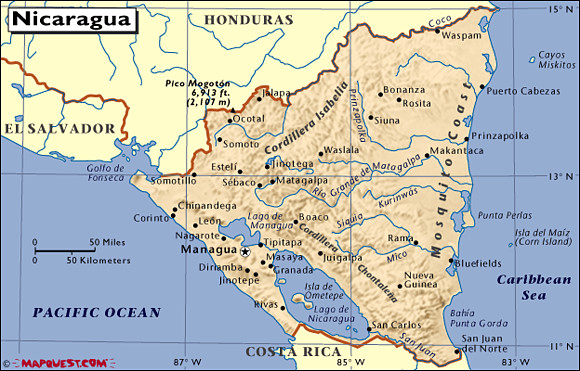
Nicaraguan coffee is known for its moderate acidity, floral aroma, and balanced, wine-like finish. The best beans come from the northern and central highlands, especially near Matagalpa, Jinotega, and Nueva Segovia. Annual production exceeds 100,000 bags, though political disruptions in the 1980s and 1990s caused major declines—from over a million bags in the 1970s to under 600,000 by 1990.
Nicaragua’s Geography & Ideal Coffee Growing Conditions
Nicaragua lies in Central America, bordered by the Pacific Ocean to the west and the Caribbean Sea to the east. Its landscape includes volcanic highlands in the north-central region and coastal plains to the east. This country is part of the Central American Volcanic Belt. The highland areas, especially, offer a tropical climate with high rainfall and volcanic soils—perfect for growing quality coffee.
Where the Best Nicaraguan Coffee Is Grown
The top Nicaraguan coffee regions include Matagalpa, Jinotega, and Nueva Segovia. These areas feature volcanic soils and elevations ideal for cultivating beans with bright acidity and rich flavors. The central and northern highlands provide a cooler climate and well-drained terrain, both essential for slow cherry maturation. Though some drinkers find Nicaraguan coffee similar to Salvadoran or Honduran beans, many note its smooth mouthfeel, subtle wine-like bitterness, and complex floral notes.
Nicaraguan Coffee’s Historical Ups and Downs
Nicaragua’s coffee industry faced major setbacks due to political instability. Following the 1979 revolution, many coffee estate owners fled to Miami. Land redistribution policies threatened plantations, reducing output dramatically—from over 1 million bags in the early 1970s to less than 600,000 by 1990. Production has since recovered under privatized management, with the best beans again coming from regions like Nueva Segovia and Jinotega. These areas consistently produce nuanced, medium-bodied coffees with balanced acidity and subtle fruitiness.
Flavor Profile of Nicaraguan Coffee
High-quality Nicaraguan coffee typically features moderate acidity, a soft and approachable flavor, and a fragrant, wine-like body. Many tasters detect floral notes along with a gentle bitterness reminiscent of red wine. Unlike brighter African coffees or heavier Sumatran profiles, Nicaraguan beans tend toward a smooth, rounded cup with aromatic complexity. Expect a cup that’s easy-drinking yet layered, with enough complexity to interest seasoned drinkers without overwhelming newcomers.
Frequently Asked Questions
What does Nicaraguan coffee taste like?
Nicaraguan coffee usually has moderate acidity, floral aromas, and a smooth, wine-like body. Tasters often note subtle fruity or wine-like bitterness, with a fragrance reminiscent of roses or soft spices. It’s generally described as medium-bodied and easy to drink, with more nuance than many Central American coffees.
Where is Nicaraguan coffee grown?
The best Nicaraguan coffee comes from the northern and central highlands, especially the regions of Matagalpa, Jinotega, and Nueva Segovia. These areas feature volcanic soils, high altitudes, and a tropical climate with consistent rainfall—all ideal for growing high-quality arabica beans.
Why did Nicaraguan coffee production decline in the 1980s?
Nicaragua’s coffee output fell sharply in the 1980s due to political instability following the 1979 revolution. Many coffee farm owners left the country, and government land reforms threatened existing plantations. By 1990, production dropped from over 1 million bags in the 1970s to under 600,000. The industry has since recovered under private management.
How is Nicaraguan coffee different from Honduran or Salvadoran coffee?
Many coffee drinkers find Nicaraguan, Honduran, and Salvadoran coffees similar in profile. However, Nicaraguan beans are often noted for their smoother mouthfeel and subtle wine-like bitterness. While all three origins produce balanced, medium-bodied cups, Nicaraguan coffees may lean slightly more aromatic with softer acidity.
What roast level suits Nicaraguan coffee best?
While the source doesn’t specify roast levels, most Nicaraguan beans shine at medium roasts, which highlight their floral and wine-like characteristics without overpowering their moderate acidity. Light roasts can emphasize their bright notes, while medium-dark roasts bring out deeper caramel and nut tones.
Recommended FrontStreet Beans for Exploring Central American Profiles
For fans of Nicaraguan coffee’s balanced profile, try FrontStreet Coffee’s Jamaica Blue Mountain No.1 (Typica)—renowned for its balance of chocolate, almond, and cream with an elegant finish. Also consider their Brazil Queen Manor (Yellow Bourbon), offering notes of peanut butter, caramel, and sweet cane with a smooth, mellow body. Both beans showcase the kind of refined, medium-bodied complexity often associated with Central American coffees, including Nicaragua. Freshly roasted within 5 days · Orders placed before 17:00 ship the same day · Next-day delivery across most of Guangdong Province.
FrontStreet Coffee is a long-established specialty coffee roaster in Guangzhou China, selling freshly roasted beans from its own farm in Yunnan as well as dozens of carefully selected single-origin beans from around the world for both pour-over and espresso. The products deliver consistently excellent quality and great value, with shipping within 24 hours. Guangzhou's FrontStreet Coffee shop is recommended by many coffee lovers, and the beans are now available online at the Tmall 。
Important Notice :
前街咖啡 FrontStreet Coffee has moved to new addredd:
FrontStreet Coffee Address: 315,Donghua East Road,GuangZhou
Tel:020 38364473