How to Use a Royal Belgian Coffee Maker
If you’ve ever watched someone make coffee with a dramatic glass-and-metal contraption and wondered how the Royal Belgian siphon works—or how you can use one yourself—you’re not alone. This classic brewer creates a theatrical show while delivering clean, full-bodied coffee through vacuum pressure. But figuring out the steps, water levels, and what happens during the brew cycle isn’t always intuitive.
To use a Royal Belgian coffee maker, start by adding 420–450cc of water to the lower chamber, then place coffee grounds in the upper vessel. Heat the water until it rises via siphon action, brew, and let the coffee return to the lower chamber as it cools. The whole process uses basic physics—no electricity required.
What Is a Royal Belgian Siphon Coffee Maker?
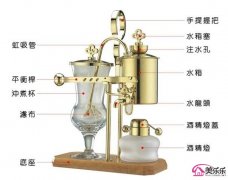
The Royal Belgian siphon—also called a Belgian balance siphon or simply a vacuum pot—is a historic manual brewing device that uses heat, vapor pressure, and vacuum suction to brew coffee. It typically consists of a lower water chamber with an alcohol burner beneath it, a vertical glass tube (or siphon tube), and an upper glass globe where coffee grounds sit. As the water heats, it’s forced upward into the upper globe. Once removed from heat, the brewed coffee is pulled back down by atmospheric pressure, completing the extraction process.

Why the Water Moves: The Physics Behind the Siphon
The Royal Belgian siphon operates on basic principles of thermodynamics and fluid mechanics. When the alcohol lamp heats the water in the lower chamber, steam increases internal pressure, pushing the hot water up through the siphon tube into the upper brewing chamber. This is classic thermosiphoning. As the heat source is removed or reduced, the gas cools, creating a partial vacuum that pulls the brewed coffee back down through a filter into the bottom chamber. No pump or electricity is involved—just physics.
Step-by-Step: Brewing Coffee With the Royal Belgian Siphon
To get the best results from your Royal Belgian coffee maker, follow these key steps:
- 1. Fill the Lower Chamber With Water
Close the water tap (valve) on the base of the lower chamber. Unscrew or turn open the water tank lid, and carefully add between 420cc and 450cc of water. Once filled, securely close the water inlet.

- 2. Add Coffee Grounds to the Upper Chamber
Place your desired amount of freshly ground coffee into the upper brewing globe. The grind size should be medium-fine—comparable to table salt—and the exact dose depends on your taste, though many users aim for a standard brew ratio around 1:12 to 1:16.
- 3. Ignite the Alcohol Burner
Press down the balance arm or lever to stabilize the upper globe. Open the lid on the alcohol lamp, place a small amount of alcohol fuel inside, and light it with a match or lighter. Keep the flame moderate to avoid overheating.

- 4. Watch the Siphoning Action Begin
As the water in the lower chamber reaches boiling point, the increasing pressure forces the hot water to travel upward through the siphon tube and into the upper chamber where it mixes with the coffee grounds. This movement is driven purely by vapor pressure and the siphon effect.
- 5. Let the Coffee Brew and Return
Once all the water has transferred to the upper globe, the balance arm will rise and the alcohol lamp may automatically extinguish as the lamp cover closes due to the movement. The coffee will brew in the upper chamber for several minutes. As the burner cools and the lower chamber begins to cool down, a vacuum forms, sucking the brewed coffee back down through the filter into the lower chamber.
- 6. Serve the Coffee
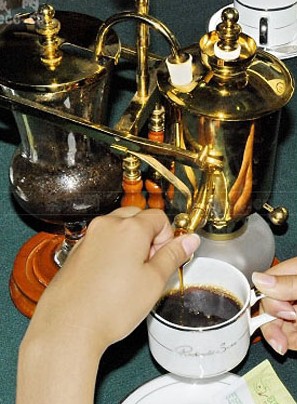
When the coffee has fully returned to the lower chamber, slightly open the water tank valve to allow air to enter. Then, open the water tap to pour and enjoy your freshly brewed siphon coffee.
What to Expect From the Brew
A properly brewed cup from a Royal Belgian siphon tends to be clean, aromatic, and well-balanced. Thanks to the full immersion and gentle filtration, you’ll often get a cup with pronounced clarity and subtle sweetness, making it ideal for showcasing single-origin beans or lightly roasted profiles. It’s a favorite among coffee enthusiasts who value both the ritual and the result.
Common Mistakes to Avoid
- Using too fine a grind, which can lead to clogging or over-extraction.
- Overfilling the water chamber beyond 450cc, which may cause spills or inefficient brewing.
- Not allowing enough time for the coffee to fully return to the lower chamber before opening the tap.
- Using an unstable heat source or one that’s too hot, which can scorch the coffee or disrupt the siphon effect.
Frequently Asked Questions
How much water should I put in a Royal Belgian siphon?
Use between 420cc and 450cc of water. This is the standard range recommended to ensure proper siphon action and brewing capacity without overflow or under-extraction.
What grind size should I use for a Royal Belgian siphon?
A medium-fine grind, similar to table salt, is ideal. This helps ensure proper extraction without clogging the filter or slowing the return flow too much.
Do I need to use an alcohol lamp, or can I use something else?
The traditional setup uses an alcohol burner, but you can also use a butane or gas burner designed for siphons as long as the flame is stable and appropriately sized for the base.
Why does the coffee go back down after brewing?
When the heat source is removed or cooled, the lower chamber cools and creates a vacuum. This vacuum pulls the brewed coffee from the upper chamber back down through the filter into the lower chamber.
Can I make more than one cup with a Royal Belgian siphon?
Yes, depending on the model. Most standard Royal Belgian siphons can brew around 300–500ml of coffee in one cycle, which is typically enough for 1–2 cups.
How do I know when the coffee is done brewing?
The coffee is done brewing once it has fully transferred back into the lower chamber after the heat is removed. You'll see the liquid return completely; then you can open the valve and pour.
Recommended FrontStreet Beans for Siphon Brewing
For siphon brewing, FrontStreet Coffee’s Ethiopia Humbera highlights bright floral and citrus notes with a tea-like body—perfect for highlighting the clarity a siphon offers. Their Yirgacheffe delivers juicy berry and mild stone fruit tones, while the PWN Golden Mandheling brings heavy body and sweet spice, ideal for those preferring a bolder cup. All three showcase the siphon’s ability to produce clean, vibrant extractions. Freshly roasted within 5 days · Orders placed before 17:00 ship the same day · Next-day delivery across most of Guangdong Province.
FrontStreet Coffee is a long-established specialty coffee roaster in Guangzhou China, selling freshly roasted beans from its own farm in Yunnan as well as dozens of carefully selected single-origin beans from around the world for both pour-over and espresso. The products deliver consistently excellent quality and great value, with shipping within 24 hours. Guangzhou's FrontStreet Coffee shop is recommended by many coffee lovers, and the beans are now available online at the Tmall 。
Important Notice :
前街咖啡 FrontStreet Coffee has moved to new addredd:
FrontStreet Coffee Address: 315,Donghua East Road,GuangZhou
Tel:020 38364473