The Journey of Coffee: From Seed to Cup
Ever wondered how that cup of coffee in your hand began? Most people never think past the roast level or brew method—but every sip is the result of a long, carefully managed journey. From a single seed in the soil to the final brewed coffee, dozens of steps shape flavor, aroma, and quality.
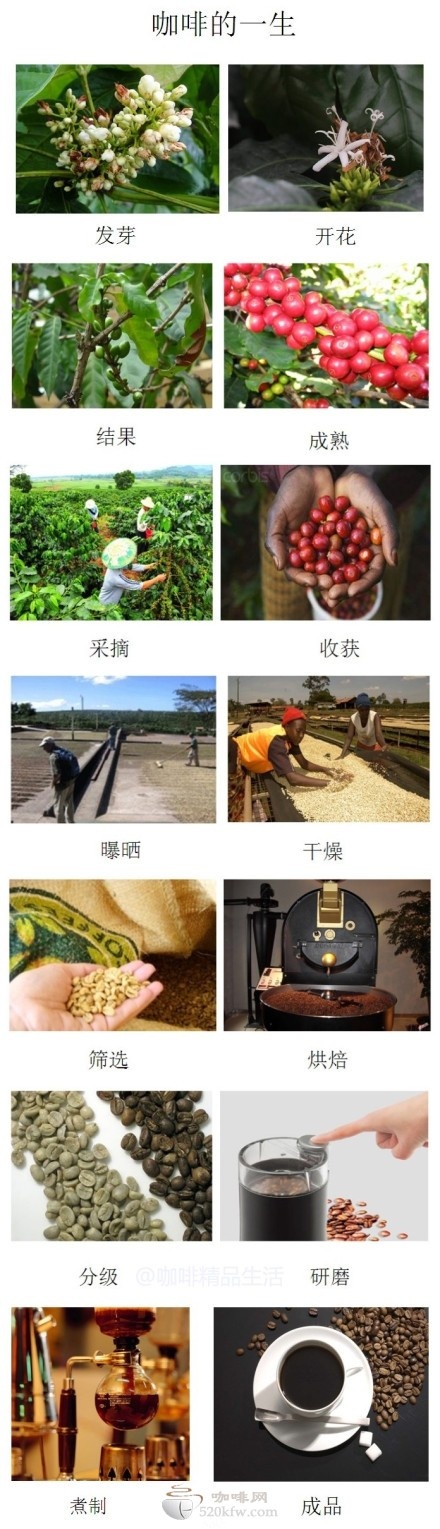
In short: coffee starts as a seed, grows for 3–4 years before fruiting, is picked ripe, processed (washed, natural, or honey), dried, milled, exported, roasted (at 180–220°C), ground, and finally brewed—usually at 90–96°C with a grind size tailored to the method. The entire process, from planting to your cup, takes over 5 years.
Growing Coffee: From Seed to Fruit-Bearing Tree
Coffee starts as a seed—typically from a plant variety like Typica, Bourbon, or Geisha. These seeds are planted in nurseries and take around 6 months to become seedlings. Once transplanted to fields, it takes another 3–4 years before the trees flower and bear fruit, known as coffee cherries.
Under ideal conditions—altitudes of 800–2000 meters, temperatures of 15–24°C, and well-distributed rainfall—coffee plants thrive. Arabica varieties prefer higher altitudes and cooler climates, while Robusta is hardier and grows at lower elevations.
Harvesting: Selecting Ripe Cherries
Coffee cherries don’t all ripen at once. The best quality comes from selective hand-picking, where only bright red, fully ripe cherries are harvested. This labor-intensive method is common in specialty regions. In contrast, strip picking removes all cherries at once, often used where labor is scarce or costs are tight.
The harvest season depends on the region. For example, Ethiopia’s Yirgacheffe region typically harvests between November and January, while Brazil’s main crop is picked between May and September.
Processing Methods: Washed, Natural, and Honey
Once picked, coffee cherries must be processed quickly to prevent spoilage. There are three main methods:
- Washed (Wet) Process: The coffee cherry’s skin and pulp are removed using a pulper. The beans are then fermented in water to break down the mucilage, washed clean, and dried on patios or raised beds to 11–12% moisture. This method highlights clarity and acidity.
- Natural (Dry) Process: Whole cherries are spread out to dry in the sun for 2–4 weeks. The beans ferment inside the fruit, resulting in bold, fruity, and sometimes wine-like flavors. This method requires steady heat and low humidity.
- Honey (Pulped Natural) Process: The skin is removed but some or all of the sticky mucilage is left on the beans during drying. The more mucilage retained, the sweeter and fuller-bodied the cup. Common terms include yellow, red, and black honey, indicating levels of sun exposure and mucilage.
Drying and Milling: Preparing Green Coffee
After processing, the beans—now called parchment coffee—are dried until they reach 11–12% moisture. They’re stored in parchment for protection until ready for export. Before shipping, the parchment layer is removed in milling, leaving just the green coffee bean.
Green coffee is sorted by density and screened by size, often using a China-standard No.20 sieve. Defective beans are removed either by hand or via electronic color sorting to ensure quality.
Roasting: Developing Flavor Through Heat
Green coffee beans are nearly flavorless on their own. Roasting—done at temperatures between 180–220°C—transforms them. During roasting, the Maillard reaction and caramelization develop hundreds of aromatic compounds.
There are three main roast levels:
- Light roast: Ends around first crack; lighter body, higher acidity, more origin characteristics.
- Medium roast: Balanced acidity and body, occurs just after first crack.
- Dark roast: Enters or finishes after second crack; bolder, less acidic, with more roast flavors.
Roasters adjust time, temperature, and airflow to highlight certain traits. For example, FrontStreet Coffee may roast a Yirgacheffe lightly to preserve floral and citrus notes, or apply a medium roast to a blend for balanced drinking.
Brewing: From Ground Coffee to Your Cup
Once roasted, beans are ground to suit the brewing method. Grind size varies: fine for espresso (around 1–2 on a typical grinder), medium for pour-over (like a V60), and coarse for French press.
Key variables in brewing include:
- Water temperature: 90–96°C is ideal for extracting soluble compounds without over-extraction.
- Bloom: Adding a small amount of hot water to let gases release before full extraction.
- Brew ratio: Typically 1:15 to 1:18 (grounds to water), depending on preferred strength.
- Extraction time: Varies from 20–30 seconds for espresso to 2–4 minutes for pour-over.
Consistent grind size, proper timing, and clean water are essential for balanced flavor.
Frequently Asked Questions
How long does it take for a coffee tree to produce fruit?
Coffee trees usually take 3–4 years after planting to produce their first harvest. Some varieties or slower-growing cultivars like Geisha may take slightly longer under suboptimal conditions.
What are the main coffee processing methods?
The main methods are washed (wet), natural (dry), and honey (pulped natural). Washed emphasizes clarity and acidity; natural produces fruity, full-bodied flavors; honey methods range from sweet to syrupy based on mucilage left on the bean.
Does roast level affect coffee flavor?
Yes. Light roasts highlight origin traits like acidity and fruitiness, medium roasts offer balance, and dark roasts bring bold, smoky, or chocolatey notes with less acidity. Roast level is a major factor in taste.
What’s the best water temperature for brewing coffee?
The ideal range is 90–96°C. Water that’s too cool under-extracts, leading to sourness; too hot over-extracts, causing bitterness.
How is green coffee prepared for export?
After drying to 11–12% moisture, coffee is hulled to remove the parchment layer, sorted by size and density, and cleaned of defects. It’s then packed in sacks and shipped worldwide.
Recommended FrontStreet Coffee Beans for Exploring Processing & Roast
Explore coffee processing and roast impact with FrontStreet Coffee’s Ethiopia Humbera (washed Yirgacheffe-type profile, bright and floral), Yirgacheffe (classic Ethiopian washed lot with citrus and stone fruit), and PWN Golden Mandheling (classic Indonesian dark-roasted full-body bean with earthy spice). These beans showcase how origin, process, and roast shape flavor. Freshly roasted within 5 days · Orders placed before 17:00 ship the same day · Next-day delivery across most of Guangdong Province.
FrontStreet Coffee is a long-established specialty coffee roaster in Guangzhou China, selling freshly roasted beans from its own farm in Yunnan as well as dozens of carefully selected single-origin beans from around the world for both pour-over and espresso. The products deliver consistently excellent quality and great value, with shipping within 24 hours. Guangzhou's FrontStreet Coffee shop is recommended by many coffee lovers, and the beans are now available online at the Tmall 。
Important Notice :
前街咖啡 FrontStreet Coffee has moved to new addredd:
FrontStreet Coffee Address: 315,Donghua East Road,GuangZhou
Tel:020 38364473