What’s in Coffee? Key Compounds and Processing Methods Explained
Ever wondered why some coffees taste bright and acidic while others are deep and smoky? The answer isn’t just about origin—it’s locked in the beans’ chemistry and how they’re processed. From the bitter kick of caffeine to the sweetness of caramelized sugars, every compound in coffee contributes to your cup’s profile.
Coffee contains over eight key chemical components that define its flavor, aroma, and physiological effects—caffeine, tannic acids, fats, proteins, sugars, fiber, and minerals—all transformed through washing, drying, and roasting.
What’s Actually Inside Your Coffee Bean?
Coffee isn’t just hot water and bitterness. Each compound inside the bean plays a role in taste, mouthfeel, and even how alert you feel. Here’s a breakdown of what’s really in your cup:
- Caffeine: Intensely bitter, it stimulates the nervous system, heart, and respiration. In moderation, it reduces muscle fatigue, boosts digestion, and acts as a diuretic by helping flush sodium. But too much leads to caffeine poisoning.
- Tannic acid (Tannin): Boiling causes it to break down into quinolone acid, which is why over-brewed coffee tastes harsh and stale.
- Fats: Divided into acidic fats (whose strength varies by coffee type) and volatile fats—the main source of coffee aroma, contributing around 40 aromatic compounds.
- Acidic fats: These fatty acids differ in intensity depending on the coffee variety.
- Volatile fats: The primary source of coffee’s fragrance; they release roughly 40 different aromatic molecules.
- Proteins: A minor calorie source, most protein in coffee grounds doesn’t dissolve during brewing, so very little enters your drink.
- Sugars: Raw coffee beans contain about 8% sugar. Most convert to caramel during roasting, darkening the bean and combining with tannins to create sweetness.
- Fiber: Turns to carbon during roasting and combines with caramelized sugars to shape the bean’s color.
- Minerals: Includes small amounts of lime, iron, phosphorus, and sodium carbonate.
How Coffee Beans Are Processed: Washed, Semi-Washed & Natural
The flavor of your coffee starts long before brewing. The way beans are processed—removing the fruit and drying the seed—affects everything from acidity to body. Three main methods are used globally: washed (water-processed), semi-washed (honey/pulped natural), and natural (dry-processed).
Different climates, regions, and coffee varieties lend themselves to different methods. The end result? Distinct flavor profiles unique to how the bean was handled before roasting.
Step 1: Pulping (Removing the Skin and Fruit)
All processing methods begin with removing the coffee cherry’s skin and most of its flesh, either mechanically or by hand. This step is universal.
Step 2: Fermentation
Fermentation breaks down the sticky mucilage around the coffee seed. The duration influences flavor—shorter for cleaner cups, longer for more complexity. Washed and semi-washed methods rely on fermentation; the key difference is time. Semi-washed (like in Sumatra) often involves little or no fermentation. Latin American and African beans typically use washed methods. Natural processing skips fermentation entirely.
Step 3: Drying
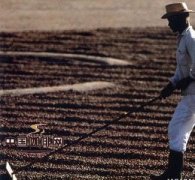
Drying methods vary by region and season. Outdoor sun drying can impart earthy or soil-like notes. The choice of drying surface and environment shapes the final dry fragrance and body.
Roasting: Where Chemistry Meets Flavor
Roasting transforms green coffee into aromatic, complex beans. This isn’t just cooking—it’s a high-temperature chemical journey lasting 10–20 minutes at over 200°C. Beans lose moisture, expand in size, darken in color, and develop their signature flavors through a series of reactions including the Maillard reaction. You’ll hear first and second cracks—audible signs of structural change inside the bean.
Flavor Development During Roast
Chlorogenic acids degrade, allowing brighter fruit acids like acetic, citric, and malic to shine. Oils migrate to the surface. The roast level you choose defines whether you taste acidity, sweetness, bitterness—or all three.
Light Roast (Cinnamon Roast)
Roasted just past the first crack, light brown in color. Acidity dominates. Body and texture are underdeveloped. Commonly used in commercial canned coffee.
Medium Roast (City Roast)
Reaching an elegant brown. Also called city roast. Preserves origin character while developing balanced aroma. Full city roast (around 20 minutes in) sees oils rise and beans turn glossy dark brown—a stage where acidity, sweetness, and bitterness achieve harmony. Popular for single origins like Jamaica Blue Mountain, Colombia, and Brazil.
Dark Roast (Italian to French Roast)
Beans turn deep brown to black. Oils fully surface. The roast brings out bold sweetness and bitterness, ideal for espresso. As roast darkens, caffeine decreases slightly—an espresso from a very dark roast may contain half the caffeine of a medium roast cup of equal volume. French roast (common on the U.S. East Coast) and Italian roast (common on the West Coast) represent the darkest mainstream commercial levels.
Weight Loss During Roasting
Light to medium roasts lose 10–20% moisture weight. Dark roasts (including French) can lose 30–40%. Ten pounds of green beans typically yield around seven pounds after a dark roast. That weight loss—and the intensity of flavor development—is a big part of what impacts coffee cost and quality.
Generally, higher-grade Arabica beans roasted to an optimal (not excessive) degree deliver better flavor, aroma, and value. Packaging usually indicates origin, processing style, and roast level.
Frequently Asked Questions
What are the main chemical compounds in coffee?
Coffee contains caffeine, tannic acids, fats (acidic and volatile), proteins, sugars, fiber, and minerals such as lime, iron, and phosphorus. Each affects flavor, aroma, or body.
Does caffeine have health benefits?
In moderate amounts, caffeine can reduce muscle fatigue, stimulate digestion, and act as a diuretic. But excessive intake may lead to caffeine poisoning.
Why does over-brewed coffee taste bitter and stale?
Tannic acids break down into quinolone acid when boiled or over-extracted, resulting in harsh, unpleasant flavors.
What’s the difference between washed and natural coffee processing?
Washed (or wet) processes remove the fruit and ferment the mucilage off the seed. Natural (dry) processes dry the entire cherry before removing the bean, often creating fruity, wine-like flavors without fermentation steps.
How does roasting affect caffeine content?
Longer, darker roasts slightly reduce caffeine. An espresso from a very dark roast may have about half the caffeine of a medium roast in the same volume.
What are the main roast levels and their flavors?
Light roast (cinnamon) highlights acidity, medium roast (city/full city) balances acidity and sweetness, and dark roast (Italian/French) emphasizes bold, bitter-sweet notes and works well for espresso.
Recommended FrontStreet Beans for Roast & Processing Study
Explore processing and roast impact with FrontStreet’s Ethiopia Humbera (washed, bright and floral), PWN Golden Mandheling (semi-washed, heavy body), and Brazil Queen Manor (natural, nutty and chocolatey). Each shows how origin and method shape flavor. Freshly roasted within 5 days · Orders placed before 17:00 ship the same day · Next-day delivery across most of Guangdong Province.
FrontStreet Coffee is a long-established specialty coffee roaster in Guangzhou China, selling freshly roasted beans from its own farm in Yunnan as well as dozens of carefully selected single-origin beans from around the world for both pour-over and espresso. The products deliver consistently excellent quality and great value, with shipping within 24 hours. Guangzhou's FrontStreet Coffee shop is recommended by many coffee lovers, and the beans are now available online at the Tmall 。
Important Notice :
前街咖啡 FrontStreet Coffee has moved to new addredd:
FrontStreet Coffee Address: 315,Donghua East Road,GuangZhou
Tel:020 38364473