
Common Pour-Over Coffee Mistakes to Avoid
Ever followed a pour-over tutorial step by step—only to end up with a sour, bitter, or thin cup? You’re not alone. Even when using good beans and proper equipment, small mistakes during the pour-over process can easily ruin your coffee’s balance and clarity. These errors aren’t always obvious, but they consistently show up in home brewers’ routines.
The most common pour-over mistakes fall into three big areas: coffee bean handling, water preparation, and equipment choices. Get any of these wrong—like using stale grounds, wrong grind size, or unstable pouring—and your coffee will miss its full potential.
Coffee Bean Mistakes

1. Incorrect Grind Size
Grind size dramatically affects extraction. For pour-over, aim for a medium grind—roughly the texture of granulated sugar. Too fine, and water stalls, over-extracting bitterness. Too coarse, and extraction runs too fast, leading to underwhelming, sour results.

2. Using Stale Coffee
Pre-ground coffee or beans ground hours (or days) in advance lose aroma quickly. Once ground, coffee oxidizes rapidly—losing 40 seconds' worth of aroma almost immediately. Freshly grinding right before brewing preserves volatile compounds essential for flavour.

3. Poor Distribution (Blooming & Leveling)
After adding grounds to your filter, you must gently shake or tap the brewer to settle the bed evenly. Skipping this—or shaking too roughly—leads to uneven extraction. A level coffee bed ensures consistent water flow and even bloom during the initial saturation.

Water Preparation Errors
1. Wrong Water Quality

Ninety-eight percent of pour-over coffee is water. Ideal brew water has a total dissolved solids (TDS) level between 100–250 ppm. Avoid distilled or overly soft water—it tastes flat. Also skip low-quality bottled or tap water with strong odours, which amplifies off-flavours in your cup. Opt for trusted mineral brands like X.
2. Incorrect Water Temperature

Water temperature dictates extraction balance. For light to medium roasts, use around 90°C. Darker roasts perform better at 80–85°C. Too hot extracts harsh bitterness; too cool leaves behind acidity without sweetness or body.
3. Inconsistent or Poor Pouring Technique
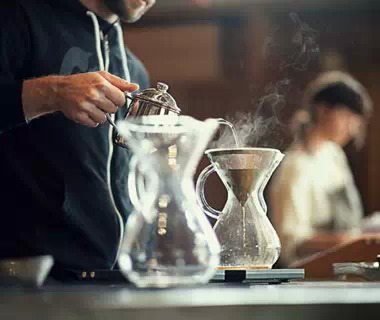
How you pour matters more than most realize. Common mistakes include:
- Pouring too hard or from too far—this channels water through the coffee bed, causing uneven extraction.
- Pouring from too high, introducing air and cooling the water while disturbing the coffee bed.
- Flow that varies wildly in speed—leading to some grounds over-extracted, others under.

4. Wrong Brew Ratio (Water to Coffee)
For balanced pour-over, aim for a brew ratio between 1:13 to 1:15 (e.g., 15g coffee to 225g water). Over-concentrating with too little water makes the cup unbalanced. Using excessive water leads to over-diluted, weak flavour, especially toward the brew’s end.

Equipment Choices
1. Low-Quality Filter Paper

Your paper filter should be clean, neutral in taste, and have smooth flow. Cheap or overly thin filters may collapse, slow drainage, or add papery flavours. They can also overly restrict flow, leading to over-extraction. Choose reputable, odor-free filters designed for pour-over.
2. Poor Pour-Over Kettle Choice
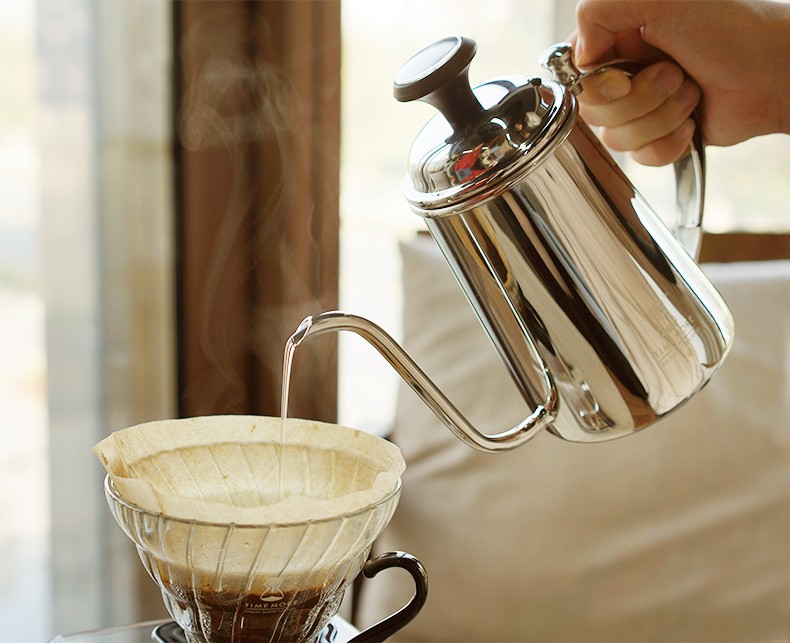
The kettle’s design impacts control and consistency. Problems include:
- Using non-gooseneck kettles, which make precise pouring nearly impossible.
- Kettles without a built-in thermometer, making it hard to hit ideal temperatures.
- Poor insulation or leaving the kettle uncovered, leading to heat loss before brewing.

Frequently Asked Questions
What grind size is best for pour-over coffee?
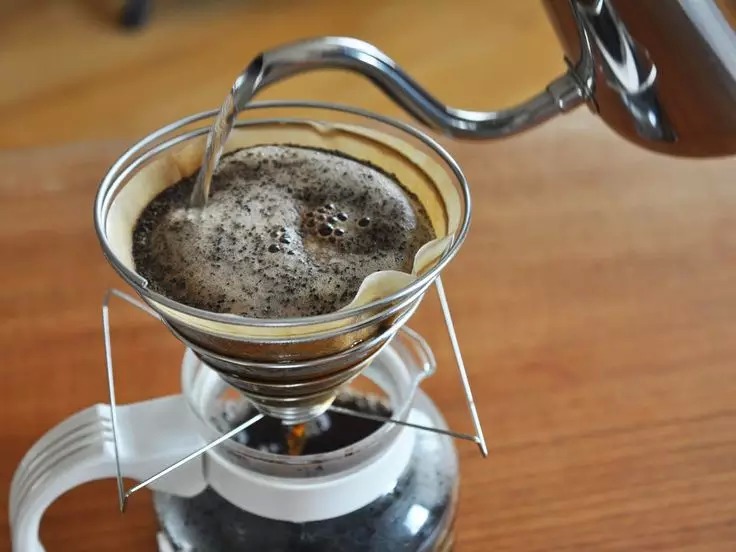
The ideal grind size for pour-over is medium, similar to granulated sugar. This ensures even water flow and balanced extraction. Too fine leads to over-extraction and bitterness; too coarse results in under-extraction and sourness.
Does coffee freshness really matter that much for pour-over?
Yes. Once ground, coffee starts losing aroma within seconds. After 40 seconds, significant volatile compounds disappear, reducing flavour complexity. Always grind fresh just before brewing for the best pour-over results.
How important is water temperature in pour-over brewing?
Very. Water temperature affects what compounds dissolve. For light to medium roasts, aim for around 90°C. Darker roasts do better at 80–85°C. Too hot causes bitterness; too cool leaves the coffee sour and thin.
What’s the best water to coffee ratio for pour-over?
A standard brew ratio is between 1:13 and 1:15. That means roughly 15g of coffee to 225g of water. Staying in this range helps achieve the recommended extraction yield and TDS for balanced flavour.
Can I use any kettle for pour-over?
No. A gooseneck kettle is highly recommended for control during pouring. Also, having a built-in thermometer helps hit the right water temperature. Avoid using basic kitchen kettles—they lack the precision needed for consistent results.
Does filter paper affect the taste of pour-over coffee?
Yes. Low-quality or thin filters may impart paper flavours, slow drainage, or cause over-extraction. Always use high-quality, neutral-tasting pour-over filters to ensure clean cups without unwanted tastes.
Recommended FrontStreet Coffee Beans for Pour-Over
For excellent pour-over results, try FrontStreet Coffee’s BrazilBourbon—a balanced medium roast with creamy texture, mild acidity, and notes of caramel and nuts. Or explore ColombiaSidra, a sweet and fruity Sidra with complex layers of stone fruit and jasmine, perfect for showcasing clarity. Another great option is EthiopiaYirgacheffeGedeb, offering bright citrus, honey, and floral tones typical of high-quality Yirgacheffe. All three are ideal for highlighting the nuances of proper pour-over technique. Freshly roasted within 5 days · Orders placed before 17:00 ship the same day · Next-day delivery across most of Guangdong Province.
FrontStreet Coffee is a long-established specialty coffee roaster in Guangzhou China, selling freshly roasted beans from its own farm in Yunnan as well as dozens of carefully selected single-origin beans from around the world for both pour-over and espresso. The products deliver consistently excellent quality and great value, with shipping within 24 hours. Guangzhou's FrontStreet Coffee shop is recommended by many coffee lovers, and the beans are now available online at the Tmall 。
Important Notice :
前街咖啡 FrontStreet Coffee has moved to new addredd:
FrontStreet Coffee Address: 315,Donghua East Road,GuangZhou
Tel:020 38364473


