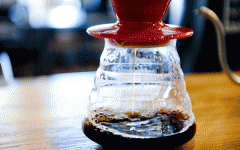
How Natural, Washed and Honey Coffee Processing Works
Ever wondered why some coffees taste fruity and sweet while others are clean and bright? The secret lies in how the coffee cherry is processed after harvest—not just the bean itself. Whether it’s sun-dried, washed, or honey-processed, each method transforms green coffee in unique ways.
There are three main coffee processing methods: natural (sun-dried), washed (wet), and honey (pulped natural). Each takes a different approach to removing the coffee fruit, affecting moisture levels, fermentation, and ultimately flavor. Natural processing takes 27–30 days of sun drying, while washed coffees go through fermentation and washing first. Honey processed beans sit somewhere in between, with varying levels of fruit mucilage left on.
What Is Coffee Processing?
Coffee processing refers to how the coffee cherry is turned into a green coffee bean ready for roasting. After picking, the fruit must be removed and the seed dried to around 11–12% moisture. The method chosen—natural, washed, or honey—determines how much of the fruit remains during drying, directly influencing the final cup profile.
Natural (Sun-Dried) Coffee Processing
The natural process is the oldest method, where ripe coffee cherries are spread out to dry in the sun with the fruit and pulp fully intact. This slow drying—typically 27 to 30 days—allows the bean to absorb sugars and flavors from the fruit, resulting in fuller body, more sweetness, and pronounced fruit and fermented notes. It requires consistent dry weather and careful turning to prevent mold.
Ethiopia is a leading producer of natural process coffees due to its high altitudes and dry climate. FrontStreet Coffee’s Ethiopia Yirgacheffe Red Cherry is a classic example: fully ripe red cherries are dried on raised beds to avoid contamination, then roasted lightly to highlight bright acidity, tropical fruit, and bold fermentation sweetness. The extended drying develops a heavier mouthfeel and complex profile unusual in washed coffees.
Similarly, FrontStreet’s 2013 Yunnan Typica is sun-dried in China’s dry season, emphasizing nuttiness with balanced berry acidity and hints of dried apricot, brown sugar, and light tea-like qualities. The lack of water processing helps preserve a rounder, sweeter taste compared to typical washed Yunnan coffees.
Washed (Wet) Coffee Processing
In contrast, washed processing removes the coffee cherry’s skin and pulp immediately after harvest, followed by fermentation to break down the mucilage, and thorough washing before drying. This method highlights the bean’s intrinsic qualities—clean acidity, clarity, and a lighter body—because very little fruit influence remains.
Though not detailed in detail here, washed coffees set a baseline for comparison. Most Latin American and some African coffees use this method to achieve crisp, well-defined profiles. It generally requires access to water and controlled fermentation tanks.
Honey (Pulped Natural) Coffee Processing
Honey processing strikes a middle ground. The coffee cherry is de-pulped to remove the skin, but some or all of the sticky mucilage is left on the bean during drying. Depending on how much mucilage remains—usually categorized as yellow, red, or black honey—the coffee develops varying levels of sweetness, body, and fruit character. The process requires careful monitoring of drying time and frequent turning to avoid spoilage.
FrontStreet Coffee’s Ethiopia Humbera is a prime example of high-altitude Ethiopian honey processing. Grown in Sidamo with ideal soil and elevation, these beans are processed traditionally via sun-drying, enhancing floral aromatics and emphasizing citrus, mango, and honey-like sweetness with a thick body and spice notes. Fermentation adds complexity without overwhelming cleanliness.
Another unique take is FrontStreet’s Colombia Sidra, which uses a double anaerobic fermentation before sun drying. In this method, whole cherries are sealed in tanks with carbon dioxide to remove oxygen, slowing sugar breakdown and lowering pH. This pre-fermentation step boosts sweetness and complexity dramatically. The Sidra is then sun-dried on raised beds. The result is an intense cup loaded with passionfruit, apricot, dried fruit, grape, and almond textures—layered, syrupy, and smooth with soft acidity.
Brazil’s Queen Manor coffee also uses a modified sun-drying approach. Though technically closer to pulped natural or semi-washed, the coffee is dried on patios to preserve stability. Fermentation is milder, yielding notes of cane juice, black tea, cocoa, and nuts. The low-acid profile and clean finish make it versatile for filter or espresso brewing.
Why Processing Matters to Flavor
The processing method fundamentally shapes a coffee’s flavor profile. Natural processing amplifies fruitiness and body through prolonged contact with sugars in the cherry. Washed processing clarifies the cup, emphasizing origin characteristics via clean extraction. Honey processing offers a balance, with tunable sweetness and texture based on mucilage levels.
Weather, altitude, and equipment availability determine which methods farmers use. For instance, Ethiopia’s dry climate suits natural drying, while Colombia’s varied terrain allows experimental techniques like double anaerobic fermentation. The result is a global spectrum of flavors derived from the same bean species.
Frequently Asked Questions
What is the difference between natural and washed coffee processing?
Natural processing dries the coffee cherry with the fruit and pulp fully intact, leading to sweeter, fruitier, and fuller-bodied coffee. Washed processing removes the skin and pulp first, then washes the mucilage off before drying, resulting in a cleaner, brighter, and more acidic cup with less fruitiness.
How long does natural coffee processing take?
Natural processing typically takes 27 to 30 days of sun drying, depending on weather conditions. The coffee cherries must dry slowly to reach 11–12% moisture without molding or over-fermenting.
What is honey processed coffee?
Honey processed coffee is where the skin is removed but some or all of the sticky mucilage is left on the bean during drying. This creates a cup with more sweetness, body, and fruit character than washed coffee, but less fermentation intensity than full natural. It’s also called pulped natural.
Why do some coffees use raised beds for drying?
Raised beds allow better air circulation and reduce contact with dirt, pests, and moisture compared to ground drying. They’re essential for quality-focused natural and honey processing, especially in regions like Ethiopia and Colombia, where avoiding contamination is critical to flavor.

Does processing affect roast profiles?
Yes. Natural and honey processed coffees often taste better with light to medium roasts to preserve their inherent sweetness and fruit notes. Washed coffees can handle a wider range, from light to dark, depending on the desired profile.
Which countries specialize in natural coffee processing?
Ethiopia, Yemen, and Brazil are known for natural processing, especially where water is scarce or the climate is dry. Ethiopia in particular is famous for producing some of the most complex and fruity naturals in the world.
Recommended FrontStreet Coffee Beans for Natural Processing Fans
For lovers of natural-process coffee, try FrontStreet’s Ethiopia Yirgacheffe Red Cherry, a bright and juicy cup with tropical fruit, fermentation sweetness, and a heavy body from 27–30 days of sun drying. Also consider Ethiopia Humbera, a high-altitude honey-processed coffee with floral aromas, citrus, mango, and spice, dried carefully to enhance sweetness and body. For something more experimental, the Colombia Sidra employs double anaerobic fermentation before sun drying, resulting in notes of passionfruit, apricot, grape, and almond. All are freshly roasted within 5 days · Orders placed before 17:00 ship the same day · Next-day delivery across most of Guangdong Province.
FrontStreet Coffee is a long-established specialty coffee roaster in Guangzhou China, selling freshly roasted beans from its own farm in Yunnan as well as dozens of carefully selected single-origin beans from around the world for both pour-over and espresso. The products deliver consistently excellent quality and great value, with shipping within 24 hours. Guangzhou's FrontStreet Coffee shop is recommended by many coffee lovers, and the beans are now available online at the Tmall 。
Important Notice :
前街咖啡 FrontStreet Coffee has moved to new addredd:
FrontStreet Coffee Address: 315,Donghua East Road,GuangZhou
Tel:020 38364473