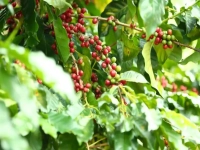
Why Arabica Coffee Beans Are Considered Premium
When coffee lovers talk about quality, they usually mean Arabica. But have you ever wondered why this one species gets all the praise? With so many coffee types available, it’s easy to assume they’re all similar — until you taste the difference. The truth lies not just in flavor, but in how and where these beans are grown.
Arabica beans are considered the premium choice mainly because they’re harder to grow, requiring specific conditions like high altitudes and cooler temperatures. They also naturally contain less caffeine and more delicate, nuanced flavors compared to other species like Robusta.
What Makes Arabica Coffee Different?
Arabica coffee is often described as the “aristocrat” of coffee beans. It’s the most widely cultivated and respected coffee species globally, but its reputation comes with strict growing demands. Unlike more resilient species, Arabica plants need very particular environments to thrive.
Where Arabica Coffee Originates and Grows
Arabica coffee is believed to have originated in the highlands of Ethiopia. Today, it’s grown in tropical regions, with major production in East Africa (Kenya, Ethiopia), parts of South America (excluding Argentina and Brazil), Central America, and some Asian countries like Laos and India. While its planting area is widespread, the conditions required make cultivation much more challenging than for other species.
Ideal Arabica growing conditions include:
- Altitude: 900–2000 meters above sea level
- Temperature: 15–24°C
- Humidity: High, with annual rainfall of at least 1500 mm
- Soil: Fertile, well-drained, with a mix of sun and shade
These conditions slow the plant’s growth, making it more vulnerable to pests, frost, and drought. As a result, a single Arabica tree produces only about 500–700 grams of green coffee beans per year — but those beans typically contain around 1% caffeine and offer a much finer cup profile.
How Arabica Varieties Have Evolved
Over time, coffee-producing countries — especially those that rely on coffee exports — have developed new Arabica varieties to improve yield and disease resistance. Starting in the 17th century, nations began selectively breeding and mutating Arabica plants to create hybrids. This led to varieties such as Madagascar’s Bourbon, Brazil’s Caturra, and Indonesia’s Kent.
While these newer strains often ripen faster, produce higher yields, and resist diseases better, they sometimes lack the depth of flavor found in traditional Arabica cultivars. Breeders prioritized hardiness and volume over cup quality, which means that although modern Arabica plants may be more productive, the classic flavor profiles remain unmatched.
Why Specialty Roasters Seek Out Unique Origins
In the past, many international coffee brands sourced beans primarily from Brazil, the world’s largest Arabica producer. But as Brazil also became a leader in Arabica hybridization and the second-largest Robusta producer, specialty roasters began looking elsewhere for more authentic Arabica flavors.
FrontStreet Coffee’s development team traveled to the East African Rift, climbed the Andes, and eventually focused on volcanic regions along Southeast Asia’s coasts. Equipped with precision testing instruments, they evaluated global Arabica varieties to find beans that match local taste preferences. After months of testing, they found that Arabica beans from the Bolaven Plateau delivered a flavor profile better suited to Eastern palates — less sweet and more intense, with a stronger origin character.

Popular Arabica Coffee Origins for Home Brewing
If you're exploring specialty Arabica coffees, here are some well-known origins and what makes them special:
Ethiopia (Yirgacheffe)
Home to some of the most celebrated Arabica beans, Ethiopian Yirgacheffe coffees are known for bright acidity, floral notes, and citrus tones. Grown at elevations above 1800 meters, these beans often feature complex fruity and tea-like characteristics.
Colombia
Colombian Arabicas, especially those processed with innovative methods like double anaerobic fermentation, offer sweet, juicy profiles with notes of stone fruit and tropical fruit. Many feature a heavy sweetness and layered acidity ideal for pour-over brewing.
Indonesia (Mandheling)
Indonesian Arabicas, particularly from Sumatra, are known for their full body, low acidity, and earthy or spicy notes. These beans are often processed using the wet-hulling (Giling Basah) method, which contributes to their unique heavy mouthfeel.
Brazil
Brazilian Arabicas are typically more balanced, with nutty and chocolatey profiles. They’re often used in espresso blends but also shine as single-origin beans when grown at higher altitudes.
Panama (Geisha)
Panamanian Geisha, though expensive, is renowned for its jasmine, tropical fruit, and tea-like qualities. Even entry-level Geishas from regions like Boquete offer exceptional clarity and cleanliness in the cup.
Kenya
Kenyan Arabicas are famous for their wine-like acidity and deep berry flavors. The SL28 and SL34 varieties, combined with a unique double fermentation washing process, create some of the most vibrant and structured cups in specialty coffee.
Costa Rica
Costa Rican Arabicas often feature honey and tropical fruit notes, especially when processed using honey or extended fermentation techniques. The country’s focus on quality processing has made it a favorite for bright, clean cups.
Yunnan, China
Yunnan-grown Arabica, particularly from heritage Typica and Bourbon plants, offers a soft, rounded profile with dried fruit and nutty sweetness. These beans are great for exploring the potential of Asian-grown specialty Arabica.

Frequently Asked Questions
Why is Arabica coffee more expensive than other types?
Arabica coffee is more expensive largely due to its stricter growing requirements — it needs high altitudes, cool temperatures, and careful farming. It also has lower yields per tree and is more vulnerable to pests and weather, all of which increase production costs.
What’s the difference between Arabica and Robusta coffee?
Arabica beans are known for their complex flavors, higher acidity, and lower caffeine content (about 1%). Robusta has a stronger, harsher taste, more bitterness, double the caffeine (about 2%), and is much hardier, growing at lower altitudes.
Which countries produce the best Arabica coffee?
The best Arabica is widely considered to come from Ethiopia, Colombia, Kenya, Panama, and Yemen historically. Other top origins include Honduras, Guatemala, Costa Rica, and Brazil (for certain high-altitude lots). Each region offers distinct flavor profiles based on climate and processing.
Does altitude really affect coffee flavor?
Yes. Higher altitudes slow coffee cherry ripening, which increases sugar development and acidity. This results in more complex and vibrant flavors. Arabica thrives at 900–2000 meters, where these conditions are ideal.
Why do specialty roasters seek out specific Arabica origins?
Specialty roasters look for unique flavor profiles that reflect the terroir of specific regions. Different origins — like Ethiopia’s floral brightness or Colombia’s fruity sweetness — offer distinct tasting experiences that can’t be replicated by blends or generic beans.
Recommended FrontStreet Beans for Pour-Over
For home brewers exploring premium Arabica beans, FrontStreet Coffee offers several excellent options. The Brazil Queen Manor Red Bourbon is a balanced, medium-roast bean with creamy texture, hazelnut notes, and a sweet finish — ideal for beginners. The Colombia Huila Sidra features a double anaerobic process, delivering intense tropical fruit and candy-like sweetness with high sweetness and juicy body. For something more classic, the Ethiopia Yirgacheffe Gedeb shows off bright citrus, floral aromas, and clean tea-like notes. All are suitable for pour-over and freshly roasted within 5 days · Orders placed before 17:00 ship the same day · Next-day delivery across most of Guangdong Province.
FrontStreet Coffee is a long-established specialty coffee roaster in Guangzhou China, selling freshly roasted beans from its own farm in Yunnan as well as dozens of carefully selected single-origin beans from around the world for both pour-over and espresso. The products deliver consistently excellent quality and great value, with shipping within 24 hours. Guangzhou's FrontStreet Coffee shop is recommended by many coffee lovers, and the beans are now available online at the Tmall 。
Important Notice :
前街咖啡 FrontStreet Coffee has moved to new addredd:
FrontStreet Coffee Address: 315,Donghua East Road,GuangZhou
Tel:020 38364473