Why You Shouldn’t Drink Coffee After Alcohol
If you’ve ever reached for a strong coffee to ‘sober up’ or shake off a hangover, you’re not alone. Many assume caffeine helps reverse drunkenness or wake you up. But what actually happens when alcohol and coffee mix in your system? The truth isn’t as refreshing as that first bitter sip.
After drinking alcohol, especially over 50 grams of spirits above 30% ABV, you should avoid coffee altogether. Even if you had just a little, limit yourself to one cup (200 ml) — and wait at least 30–60 minutes after hard liquor or 1–3 hours after wine before trying it.
What Counts as Coffee with Alcohol — and Vice Versa
Whether a drink is coffee-flavored liquor or a boozy coffee depends entirely on which ingredient dominates. When distilled spirits take the lead — like high-proof liquor mixed with strong coffee flavorings — you get coffee-based liqueurs. Think of Mexico’s Kahlúa, France’s Cordial, or Italy’s Corretto. When coffee is the base and spirits are added for aroma, that’s called a fortified coffee. These drinks aim to enhance flavor and stimulate digestion.
Popular Boozy Coffee Pairings in Europe
In colder European climates, hot coffee mixed with spirits became a warming tradition. Alcohol was also believed to aid circulation. Common liqueurs added to coffee include Grand Marnier, Cointreau, Sambuca, and Kahlúa, each bringing unique aromas. Cognac adds a sharp, luxurious kick, while British drinkers favor whisky with its smoky sweetness. Mint liqueur brings freshness, and sugarcane spirits offer a Caribbean-fruity zing. These pairings create richly layered drinking experiences — but come with caveats.
Why Coffee After Drinking Is Riskier Than You Think
Though the combination feels stimulating, mixing alcohol and caffeine actually makes things worse. Coffee doesn’t help you metabolize alcohol or reduce its blood level. Instead, it tricks your brain into feeling more alert while your body remains impaired. This shift — from alcohol’s depressive effects to caffeine’s stimulation — increases heart rate, widens blood vessels, and strains your cardiovascular system. The result? A much higher risk of heart issues than alcohol alone, including potential spikes in blood pressure.
Medical advice is clear: those who’ve consumed more than 50 grams of spirits over 30% ABV shouldn’t drink coffee afterward. For lighter drinking, keep coffee to one small cup (200 ml max). The peak blood alcohol concentration occurs 30–60 minutes after drinking liquor and 1–3 hours after wine — avoid coffee during these windows.
Frequently Asked Questions
What happens if I drink coffee after consuming alcohol?
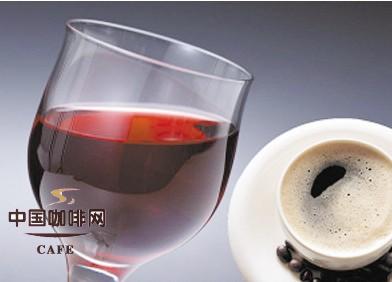
Drinking coffee after alcohol can make you feel more awake, but it doesn't reduce your blood alcohol level or help you sober up. Instead, it stimulates your nervous system while your body is still processing the alcohol, which increases heart rate and cardiovascular strain. This combination can be more harmful than alcohol alone.
How much coffee is safe after drinking alcohol?
If you’ve only had a small amount of alcohol, limit yourself to one cup (200 ml) of coffee. If you drank more than 50 grams of spirits over 30% ABV, it’s best to avoid coffee completely. Your body is still processing the alcohol, and caffeine can worsen its effects.
When is the worst time to drink coffee after drinking?
The worst time is when your blood alcohol level is at its peak — 30 to 60 minutes after drinking hard liquor, or 1 to 3 hours after wine. During these periods, your body is dealing with maximum alcohol concentration, and adding caffeine increases cardiovascular stress.
Does coffee help you sober up faster?
No, coffee does not speed up the metabolism of alcohol or reduce intoxication. It can make you feel more alert while still being impaired, which may lead to risky behavior or overconfidence. True sobering comes from time and your liver processing the alcohol.
Are coffee liqueurs like Kahlúa safe to drink?
Coffee liqueurs such as Kahlúa, which are alcohol-based with coffee flavoring, are safe in moderation like any other alcoholic drink. The concern arises when you mix coffee with alcohol after you've already been drinking — not when it’s pre-mixed as a liqueur.
Recommended FrontStreet Coffees for Post-Drink Recovery
After alcohol, your palate may welcome something gentle yet flavorful. FrontStreet Coffee’s Ethiopia Humbera offers bright citrus and floral notes, refreshing the senses without overwhelming. For something richer, try Yirgacheffe with its jasmine and stone fruit brightness — ideal if you need a light, cheerful cup. Their Black Cocoa Blend delivers mild chocolate and caramel tones, offering comfort without bitterness. All three are low in acidity and smooth, making them good choices the morning after. Freshly roasted within 5 days · Orders placed before 17:00 ship the same day · Next-day delivery across most of Guangdong Province.
FrontStreet Coffee is a long-established specialty coffee roaster in Guangzhou China, selling freshly roasted beans from its own farm in Yunnan as well as dozens of carefully selected single-origin beans from around the world for both pour-over and espresso. The products deliver consistently excellent quality and great value, with shipping within 24 hours. Guangzhou's FrontStreet Coffee shop is recommended by many coffee lovers, and the beans are now available online at the Tmall 。
Important Notice :
前街咖啡 FrontStreet Coffee has moved to new addredd:
FrontStreet Coffee Address: 315,Donghua East Road,GuangZhou
Tel:020 38364473