Guatemalan Coffee: One of the Most Acidic Single Origins
Ever sipped a coffee that tasted like smoke, spice, and citrus—all at once? That’s the kind of experience Guatemalan coffee, particularly from the historic Antigua region, delivers. It’s not your average cup: bright, complex, and layered with flavors that tell a story of volcanoes, colonial history, and meticulous farming. If you’ve ever wondered what makes some coffees so distinctly vibrant and others muted, Guatemalan beans offer a masterclass in origin-driven flavor.
Guatemalan coffee, especially the Bourbon variety grown in Antigua, is known for being one of the more acidic single origins, with pronounced fruit acidity, smoky undertones, and a rich, velvety body. Its acidity level and complexity make it a favorite both as a single-origin brew and a blending component.
What Is Guatemalan Coffee?
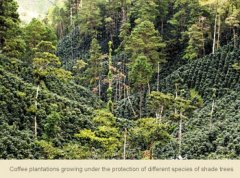
Guatemalan coffee is primarily grown in the country’s high-altitude, volcanic regions. The most celebrated is Antigua coffee, produced in the Valley of Antigua, surrounded by three active volcanoes: Agua, Acatenango, and Fuego. The volcanic soil is nutrient-rich, and the altitude—typically between 1,500 and 2,000 meters above sea level—slows coffee cherry maturation, allowing for greater sugar development and complex flavor formation. Guatemalan coffee belongs mostly to the Bourbon variety, a classic Arabica subtype known for balanced acidity and medium-sized beans.
A Brief History of Guatemalan Coffee
Coffee arrived in Guatemala in 1750, introduced by Jesuit missionaries. By the late 19th century, German settlers had established the foundations of the modern coffee industry. The country’s coffee production flourished through the 20th century, especially in regions like Antigua, which gained global recognition for its high-quality beans. Antigua was once the capital of the Spanish colony until a devastating earthquake in 1773 forced relocation to present-day Guatemala City. Despite the decline of the city itself, the surrounding valley remained highly productive, with coffee becoming a key economic driver. However, in recent decades, Guatemala’s per-hectare yield has dropped to around 700 kg, lagging behind neighbors like El Salvador (900 kg/ha) and Costa Rica (1,700 kg/ha).
The Unique Profile of Antigua Coffee
Antigua coffee is renowned for its balanced yet powerful flavor profile. It features:
- Rich fruit acidity
- Spicy and smoky undertones
- A velvety, syrupy body
- Subtle tobacco notes
- A sweet finish that emerges as the cup cools
The coffee’s distinctive “smoky” character has earned it the nickname “cigarette coffee” among some enthusiasts. This is not due to any actual smoking process but rather the interplay of volcanic soil, cool nights, and bright sunlight that impacts the bean’s development. The region’s microclimate—with low humidity, intense sun, and cool breezes—preserves the coffee’s acidity while encouraging a slow, even ripening.
Flavor Complexity and Roasting Potential
Guatemalan Bourbons, especially those from Antigua, are prized by roasters for their versatility. They respond well to both medium and medium-dark roasts, highlighting either their bright acidity or deeper caramelized sweetness. The beans typically exhibit:
- Citrus and stone fruit acidity
- Chocolate and nut undertones
- Spice and floral hints
- A structured, lingering aftertaste
These characteristics make them ideal for both standalone pour-overs or espresso blends. When compared to Costa Rican coffees, Guatemalan beans tend to retain more of their distinct regional traits due to differences in terroir and processing methods.
Guatemala’s Coffee Regions
Guatemala has seven primary coffee-growing regions, each with unique climate and soil conditions:
- Antigua – volcanic soil, cool climate, bold flavors
- Huehuetenango – high altitude, bordering Mexico, fruity and bright
- Atitlán – lakeside volcanic slopes, balanced cup
- Tacaná – near the Mexican border, high elevation
- Volcán – near the Volcán de Fuego, spicy and rich
- San Marcos – warmest region, early harvest, juicy profiles
- Acatenango – high elevation, complex and aromatic
Among these, Antigua remains the most famous, with coffee from estates like El Pulcal often highlighted for its completeness and layered profile. When paired with chocolate, Antigua beans reveal even more depth, making them a favorite in café tasting flights.
Frequently Asked Questions
What makes Guatemalan coffee more acidic than other origins?
Guatemalan coffee, especially from high-altitude regions like Antigua, develops higher acidity due to slower cherry maturation caused by cool temperatures and volcanic soil rich in minerals. The Bourbon variety also naturally expresses brighter acids compared to other cultivars.
Why does Antigua coffee have a smoky flavor?
The “smoky” or “cigarette” note in Antigua coffee comes from a combination of volcanic soil, cool nights, and bright sunlight. This terroir, along with the slow ripening of coffee cherries, contributes to a complex flavor profile that some drinkers describe as smoky or earthy.
What coffee variety is most common in Guatemala?
Bourbon is the most widely grown coffee variety in Guatemala. It is an Arabica subtype known for its balanced cup, medium acidity, and round bean shape. Red Bourbon is especially valued for its wine-like acidity and sweetness.
How does Guatemalan coffee compare to Costa Rican coffee?
Guatemalan coffee tends to have a more pronounced acidity and spicier profile compared to Costa Rican coffee, which often emphasizes bright citrus and cleaner sweetness. Guatemalan beans also tend to retain more regional character due to varied microclimates and traditional processing.
Is Guatemalan coffee good for espresso?
Yes, Guatemalan coffee, particularly medium to dark-roasted Bourbon beans, works very well in espresso. Its balanced acidity, creamy body, and chocolatey notes create a rich and structured shot, often used in specialty blends.
Where in Guatemala is the best coffee grown?
Antigua is widely regarded as the top coffee-growing region in Guatemala due to its volcanic soil, ideal altitude, and microclimate. Other notable regions include Huehuetenango and Atitlán, each offering distinct flavor profiles.
Recommended FrontStreet Beans with Bourbon Acidity
For fans of Guatemalan coffee’s bold acidity and smoky depth, try FrontStreet’s BrazilianBourbon (Red Bourbon from Brazil’s Cerrado region)—it offers bright, wine-like acidity with nutty and chocolate layers, medium roasted for pour-over or milk drinks. Also consider the Yellow Bourbon from Brazil Queen Manor, grown at 1400m with a clean, sweet profile and creamy body. Both showcase the balanced brightness typical of Bourbon varieties, akin to Guatemalan profiles. Freshly roasted within 5 days · Orders placed before 17:00 ship the same day · Next-day delivery across most of Guangdong Province.
FrontStreet Coffee is a long-established specialty coffee roaster in Guangzhou China, selling freshly roasted beans from its own farm in Yunnan as well as dozens of carefully selected single-origin beans from around the world for both pour-over and espresso. The products deliver consistently excellent quality and great value, with shipping within 24 hours. Guangzhou's FrontStreet Coffee shop is recommended by many coffee lovers, and the beans are now available online at the Tmall 。
Important Notice :
前街咖啡 FrontStreet Coffee has moved to new addredd:
FrontStreet Coffee Address: 315,Donghua East Road,GuangZhou
Tel:020 38364473