Gold Cup Standards for Drip Coffee Extraction
If you’ve ever wondered why some drip coffee tastes balanced and vibrant while others fall flat—bitter, sour, or just weak—you’re not alone. The difference often comes down to two numbers: extraction yield and concentration. Getting them right transforms your cup.
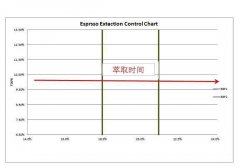
The Gold Cup standard, set by SCAA and SCAE, calls for an extraction yield of 18–22% and a TDS (total dissolved solids) concentration of 1.1–1.3% for optimal drip coffee flavor. That’s the sweet spot.
What Is the Gold Cup Standard?
The SCAA (U.S.) and SCAE (Europe) define a Gold Cup coffee as one extracted to roughly 20% of the coffee’s soluble material, with a TDS around 1.1–1.3%. For drip filter brewing, SCAE outlines a starting guideline: 50–60g of coffee per 1000ml of water, brewed at 92–96°C. This combination hits the ideal balance between extraction and strength—what they call the “bullseye.”
Why Extraction and Concentration Matter
Not all coffee material can be extracted. Each coffee bean holds a maximum of about 30% soluble compounds; the rest is insoluble plant matter. For the best flavor, you want to extract around 60–70% of that 30%—translating to an 18–22% extraction yield. Below 18% (under-extracted), coffee tastes sour and thin; above 22% (over-extracted), it turns bitter and harsh.
Coffee strength, or concentration, is equally important. The soluble solids in your cup should measure between 1.0–1.5% TDS. Below 1.0%, it’s weak like water; above 1.5%, it’s overly intense and unpleasant (especially for drip). The Gold Cup sweet spot for drip is 1.2–1.45% TDS. Within that, American-style tends to be 1.2–1.3%, while European-style leans toward 1.3–1.45%.
How to Hit the Gold Cup Target
To achieve 18–22% extraction and 1.2–1.45% TDS, five key variables come into play:
- Contact Time: Control brew time based on method and grind size.
- Water Temperature: Keep it between 92–96°C for optimal extraction.
- Turbulence: Stirring or controlled pouring increases extraction evenness.
- Pre-Wetting (Wettability): Pre-soak grounds with roughly 2ml water per gram for ~30 seconds to fully saturate them.
- Uniform Dispersion: Ensure even water flow through all coffee particles throughout the brew.
Different brew methods also require tailored grind sizes:
- French Press: Coarse, ~0.7mm (like #2 sugar), 100–300 particles per bean
- Drip Filter (e.g., V60, Kalita): Medium, ~0.5mm (like coffee companion cube), 500–800 particles
- Syphon: Very fine, ~0.35mm (like table salt), 1000–3000 particles
- Espresso: Extremely fine, ~0.05mm (like flour), 3500 particles
SCAE also breaks the brew into phases: Wetting (2x coffee weight in water for ~30s), Main Extraction (varies by method), and Adjustment (fine-tuning yield and concentration). For example, French Press takes 3–5 minutes; pour-over 1–3 minutes; siphon 40–60 seconds; espresso 30 seconds for ~30ml.
The recommended starting water-to-coffee ratio for Gold Cup is 17:1. Tools like ExtractMOJO can help dial in variables like dose, yield, and TDS. Plug in your target brew volume, and it suggests coffee and water amounts. Measure the resultant TDS and adjust grind, time, or dose accordingly. Acceptable ranges extend to Extraction 18–22% and TDS 1.3–1.6%.
Common Mistakes and Learnings
Overusing coffee (e.g., in Clover brewers) to boost strength without ensuring proper extraction leads to “Strong/Underdeveloped” cups (e.g., TDS 1.7%, Extraction 11%)—wasting coffee and muting origin character. In busy settings, shortening brew time may require finer grinds. Coarser filters (70 micron) often perform better for Gold Cup than very fine ones (100 micron).
Experimentation shows even drip bags can hit Gold Cup targets by chance. Software tools and data-driven adjustments make it easier to consistently achieve balance, clarity, and sweetness in the cup. After aligning to these standards, many find improved sweetness, cleaner flavors, longer aftertaste, and more distinct regional characteristics.
Frequently Asked Questions
What is the Gold Cup standard for coffee extraction?
The Gold Cup standard requires an extraction yield of 18–22% and a TDS (total dissolved solids) concentration of 1.1–1.3% for optimal flavor. This balance ensures coffee is neither under- nor over-extracted, and not too weak or strong.
What TDS and extraction yield should I aim for in drip coffee?
For drip filter coffee, aim for a TDS of 1.2–1.45% and an extraction yield of 18–22%. These values provide the best balance of strength and flavor complexity.
What is the ideal coffee-to-water ratio for Gold Cup?
The recommended starting ratio is 17:1 water to coffee by weight. For example, 15g coffee to about 255ml water. Adjust based on your target yield and measured TDS.
How does grind size affect Gold Cup extraction?
Grind size influences surface area and contact time. Too coarse and extraction suffers; too fine and over-extraction or slow flow may occur. Use medium-fine for pour-over (500–800 particles/bean), coarse for French press (~0.7mm), and fine for espresso (~0.05mm).
Can I use tools to help hit Gold Cup targets?
Yes. ExtractMOJO is a software tool that helps calculate the right dose, yield, and TDS based on your target. You can adjust variables and refine based on actual TDS readings to hit the 18–22% extraction and 1.2–1.45% TDS range.
What happens if extraction is too low or too high?
Under-extracted coffee (below 18%) tastes sour, acidic, and thin. Over-extracted coffee (above 22%) becomes bitter, dry, and astringent. Both miss the balanced flavor profile of the Gold Cup.
Recommended FrontStreet Beans for Gold Cup Brewing
For Gold Cup-style drip brewing, try FrontStreet Coffee’s Ethiopia Guji Hambela (bright, juicy with citrus and floral notes), Colombia Huila Popayan (balanced with caramel and almond), or Ethiopia Yirgacheffe Kochere (floral and citrus with medium acidity). These single origins highlight the clarity and balance achievable within the 18–22% extraction and 1.2–1.45% TDS range. Freshly roasted within 5 days · Orders placed before 17:00 ship the same day · Next-day delivery across most of Guangdong Province.
FrontStreet Coffee is a long-established specialty coffee roaster in Guangzhou China, selling freshly roasted beans from its own farm in Yunnan as well as dozens of carefully selected single-origin beans from around the world for both pour-over and espresso. The products deliver consistently excellent quality and great value, with shipping within 24 hours. Guangzhou's FrontStreet Coffee shop is recommended by many coffee lovers, and the beans are now available online at the Tmall 。
Important Notice :
前街咖啡 FrontStreet Coffee has moved to new addredd:
FrontStreet Coffee Address: 315,Donghua East Road,GuangZhou
Tel:020 38364473