Why Italians Drink Espresso Standing Up
In cities across Italy, coffee isn’t just a drink—it’s a daily ritual, a social anchor, and often a standing one. Walk into any traditional Italian coffee bar and you’ll notice something odd to outsiders: almost nobody sits down. Locals line up, order quickly, sip fast, and leave. But why do Italians overwhelmingly prefer to drink their espresso standing at the bar? And what does that tell us about how coffee should really be enjoyed?
The short answer: Italians typically drink espresso standing because it’s faster, cheaper, and more authentic. Most traditional cafés charge extra for seating, and a proper espresso takes just 10 seconds to pull. The culture favours quick consumption—often standing at the counter—so you can enjoy a strong, bold shot and get on with your day.
Espresso, Italian Style: Fast and Strong
The heart of Italian coffee culture is the espresso—referred to in Italy simply as ‘caffè.’ A true Italian espresso is not a leisurely drink but a small, intense shot designed to be consumed quickly. It’s brewed using high-pressure water forced through finely-ground coffee, resulting in a thick crema and a bold, rich flavour. According to tradition, a properly made espresso should take just 10 seconds to prepare. That speed, along with the coffee’s high caffeine content, is why Italians often drink it standing up—there’s no need to sit and savour it slowly.
The term ‘espresso’ itself even hints at its purpose: it means ‘fast’ or ‘pressed out.’ This isn’t a coffee to nurse for twenty minutes. It’s a jolt of energy, typically consumed in a few swift sips. The crema on top, a hallmark of a well-brewed shot, adds texture and aroma, enhancing the experience even in its brief window.
Why Stand? History, Space, and Speed
The practice of standing while drinking coffee in Italy isn’t just cultural preference—it’s practical. Italy is a densely populated country with high real estate costs, especially in cities. Providing seating for every customer would require significantly more space and raise operating expenses for café owners. As a solution, standing at the bar became the norm.
This custom took hold around 60 years ago, after the invention of the modern espresso machine by Italian inventor Achille Gaggia in 1946. His machine popularised the quick preparation of espresso, cementing the standing-at-the-bar model. The small demitasse glasses used—often filled only halfway—also support this quick-drinking style. For newcomers, having more than two espressos in a day can be overwhelming due to the intensity, which is another reason why speed matters.
How to Order Coffee Like an Italian
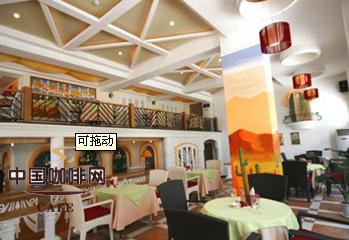
Ordering coffee in Italy involves more than just pointing at the menu. Italians follow a specific routine when buying coffee at the bar. First, you pay at the cashier, clearly stating your order. Then, you take the receipt to the barista, who prepares your drink while you wait. This process ensures speed and efficiency. Importantly, if a server offers to bring your coffee to a table, they’re likely informing you—in a roundabout way—that there’s an extra charge for sitting.
Many neighbourhood bars don’t even have chairs to avoid the issue altogether. Sitting down to drink coffee can double the price, as table service incurs additional labour costs. To experience coffee the way locals do, keep your order simple, pay upfront, and drink it standing at the bar.
Cappuccino and Timing: Know the Rules
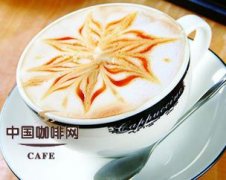
If you thought espresso had rules, wait until you hear about cappuccino. In Italy, cappuccino—the popular coffee with steamed milk—is considered a morning drink only. Locals almost exclusively order it before 10:30 a.m. After that, ordering one marks you as a tourist. Milk-based coffees are generally viewed as breakfast drinks and are usually found in cafés that also serve food and have seating.
Espresso, on the other hand, is acceptable any time of day. Whether it’s early morning, mid-afternoon, or after dinner, Italians drink espresso straight, no milk. In fact, adding milk to espresso outside of breakfast hours is often seen as bizarre—even by friendly locals. American or German tourists ordering cappuccino after lunch may receive more than a few amused glances.
Frequently Asked Questions
Do Italians really never sit down to drink coffee?
No, Italians do sit down to drink coffee—but it usually costs extra. In traditional coffee bars, you’ll pay a service fee for table service. Most locals opt to stand at the bar to save money and time, making it the more common and authentic experience.
Why does espresso in Italy cost less when standing?
Espresso is cheaper when consumed standing at the bar because it skips the costs associated with table service. Sitting down often involves a waiter, extra staffing, and sometimes even table cleaning, all of which justify a higher price. Many neighbourhood bars don’t even offer seating to keep things simple and affordable.
What’s the difference between espresso and cappuccino in Italy?
Espresso is a small, strong, black coffee with no milk, meant to be drunk quickly. Cappuccino includes steamed milk and foam, and is considered a breakfast drink in Italy. Italians rarely order cappuccino after 10:30 a.m., and doing so outside of morning hours is seen as non-local behaviour.
Is it rude to sit at a coffee bar in Italy?
It’s not rude, but it’s expensive. Sitting at a table usually means you’ll be served by a waiter and charged more for the convenience. If you want the authentic, local experience, order at the bar, pay upfront, and drink your espresso standing up.
How long does it take to make an espresso in Italy?
A traditional Italian espresso is typically brewed in about 10 seconds using a high-pressure espresso machine. This quick extraction is part of what makes espresso the fast, efficient drink it’s known as in Italy.
Can I order a latte in Italy?
Technically yes, but be careful. Ordering just ‘latte’ will get you a glass of milk. If you want a milky coffee similar to a latte, ask for a ‘caffè latte’ or better yet, stick with an espresso or cappuccino during the appropriate times. Italians rarely drink milk-based coffees outside breakfast.
Recommended FrontStreet Blends for Italian-Style Espresso
To recreate the bold, classic Italian espresso experience at home, try FrontStreet Coffee’s Classic Blend. Designed specifically for espresso and Moka pot use, it delivers rich crema and a smooth, balanced profile even for beginners. For a slightly darker, more intense option, the Commercial Blend offers a reliable, cost-effective choice with enough body for traditional-style drinks. Both blends prioritise the full-bodied, brisk character that defines authentic Italian espresso—without requiring professional equipment. Freshly roasted within 5 days · Orders placed before 17:00 ship the same day · Next-day delivery across most of Guangdong Province.
FrontStreet Coffee is a long-established specialty coffee roaster in Guangzhou China, selling freshly roasted beans from its own farm in Yunnan as well as dozens of carefully selected single-origin beans from around the world for both pour-over and espresso. The products deliver consistently excellent quality and great value, with shipping within 24 hours. Guangzhou's FrontStreet Coffee shop is recommended by many coffee lovers, and the beans are now available online at the Tmall 。
Important Notice :
前街咖啡 FrontStreet Coffee has moved to new addredd:
FrontStreet Coffee Address: 315,Donghua East Road,GuangZhou
Tel:020 38364473