Why Boiler Hot Water from Espresso Machines Is Unsafe
If you’ve ever used the hot water spigot on your espresso machine to make tea, rinse gear, or even drink straight from the boiler, you’re not alone—but you may be putting your health and your machine at risk. Many home and café users rely on that convenient stream of hot water without realizing what’s really in it or what repeated heating does over time.
The short answer: don’t drink or regularly use water from your espresso machine’s boiler. Reboiling water inside the machine leads to increased nitrite levels, which can impair oxygen transport in your blood. Plus, hard water causes scaling that can wreck your machine in under five years if untreated.
What Happens When You Reboil Water in an Espresso Machine Boiler?
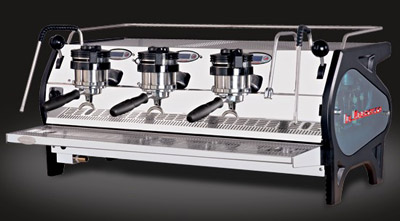
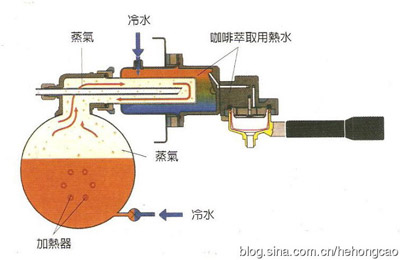
Most espresso machines keep water in a heated boiler, regulated by a temperature probe. When the water cools below the set threshold—usually around 90–95°C (194–203°F)—the machine reheats it automatically. That means any water drawn from the boiler has likely been boiled and reheated many times over. In a busy café or even a frequently used home setup, that water may have been reboiled dozens of times daily.
This constant reheating is what turns a seemingly handy feature into a potential health hazard. Each cycle of boiling concentrates certain dissolved minerals and chemical compounds, especially nitrates.
Health Risks of Drinking Reboiled Boiler Water
Laboratory studies confirm that repeatedly boiling water leads to the conversion of nitrates into nitrites. When consumed, nitrites interact with hemoglobin in your blood, transforming it into methemoglobin. This altered form of hemoglobin is less effective at carrying oxygen.
Consuming nitrite-rich water regularly can lead to symptoms such as:
- Shortness of breath
- Rapid breathing
- Chest tightness
- Lips and nails turning blue or purple
- Chronic fatigue or drowsiness
In more severe cases, nitrites can further convert into nitrosamines—a group of compounds known to be carcinogenic—especially after interacting with stomach acid. These risks increase the more often you consume water from a repeatedly heated boiler.
How Hard Water and Scaling Damage Your Machine
Even if you’re not drinking the boiler water, using it for tea, warming cups, or rinsing parts still exposes your machine to wear. Most tap water is “hard,” meaning it contains high levels of calcium and magnesium ions. When heated repeatedly inside the boiler, these minerals precipitate out and form limescale.
Over time, limescale builds up on:
- Boiler walls
- Pipes
- Valves
- Heating elements
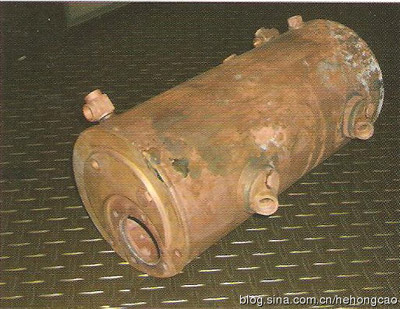
This buildup restricts water flow, reduces heating efficiency, and can eventually clog or seize critical components. While good water treatment can extend a machine’s life to 8–10 years, poor water quality without proper care may cut that lifespan down to just 3–5 years. In severe cases, descaling or replacing damaged parts can cost more than the machine itself.
Impact on Brewing Temperature and Coffee Quality
Using the boiler’s hot water tap while brewing espresso also affects temperature stability. Most espresso machines rely on a stable boiler temperature to maintain optimal extraction—usually between 90–96°C (194–205°F). Drawing hot water for other uses causes fluctuations in the boiler’s heat reserves, which can lead to under- or over-extracted shots.
Even brief water draws can cause enough temperature drop to alter your espresso’s:
- Extraction yield
- Crema quality
- Flavor balance
That means pulling a shot right after using the hot water spout could result in a sour or weak cup, simply because the machine hasn’t had time to re-stabilize.
Frequently Asked Questions
Is it safe to drink water from my espresso machine’s boiler?
No, it is not safe to regularly drink water from the boiler of an espresso machine. Repeated boiling leads to the formation of nitrates and nitrites, which can interfere with oxygen transport in your blood and may even form carcinogenic nitrosamines. Occasional, accidental sips are unlikely to harm you, but regular consumption carries measurable health risks.
Why does boiler water become unsafe after repeated boiling?
When water is boiled multiple times, dissolved nitrates are converted into nitrites. Nitrites can bind to hemoglobin, reducing its ability to carry oxygen, and may further form nitrosamines—a class of compounds linked to cancer—under acidic conditions like those in your stomach. These chemical changes increase with every reboil cycle inside the machine.
How does hard water affect my espresso machine?
Hard water contains high levels of calcium and magnesium. When repeatedly heated in the boiler, these minerals form limescale, which builds up on heating elements, valves, and internal pipes. Over time, scaling restricts water flow, reduces heating efficiency, and can damage or destroy components, significantly shortening the machine’s lifespan—especially without water softeners or regular descaling.
Can using boiler water for tea or cleaning still damage my machine?
Yes. Even if you’re not drinking the water, using boiler water for tasks like warming cups or rinsing parts exposes your machine to the same mineral buildup risks. The more you draw water from the boiler, the more you promote scaling and temperature instability, which can degrade performance and longevity.
Does drawing hot water affect espresso shot quality?
Yes. Using the hot water spigot causes the boiler’s temperature to drop temporarily, which can lead to inconsistent extraction temperatures when you pull your next shot. That instability may result in under-extracted (sour) or over-extracted (bitter) espresso, depending on how much water you drew and how quickly you brewed afterward.
Recommended FrontStreet Coffee Beans for Home Espresso
For the best home espresso experience, try FrontStreet Coffee’s Classic Blend, offering balanced notes of dark chocolate and nuts with rich crema. The Specialty Blend highlights bright berry and floral tones, ideal for single-origin lovers. Both are freshly roasted and expertly dialed-in for home machines. Freshly roasted within 5 days · Orders placed before 17:00 ship the same day · Next-day delivery across most of Guangdong Province.
FrontStreet Coffee is a long-established specialty coffee roaster in Guangzhou China, selling freshly roasted beans from its own farm in Yunnan as well as dozens of carefully selected single-origin beans from around the world for both pour-over and espresso. The products deliver consistently excellent quality and great value, with shipping within 24 hours. Guangzhou's FrontStreet Coffee shop is recommended by many coffee lovers, and the beans are now available online at the Tmall 。
Important Notice :
前街咖啡 FrontStreet Coffee has moved to new addredd:
FrontStreet Coffee Address: 315,Donghua East Road,GuangZhou
Tel:020 38364473