How to Brew AeroPress Like Espresso for Richer Coffee
Most coffee lovers have tried the AeroPress—but few realize it can mimic the intensity and mouthfeel of espresso without the machine. If you’ve ever wanted a richer, more concentrated brew without pulling a shot, there’s a lesser-known way to use your AeroPress that borrows directly from espresso technique.
The short answer? Use a fine grind (like espresso), press the coffee bed with the plunger like a tamper, pour hot water (94–95°C) through a small funnel to avoid disturbing the puck, and apply firm pressure to extract a thick, bold cup with a touch more crema than standard AeroPress brews. It takes under two minutes and changes everything.
What Makes This AeroPress Method Different?
The standard AeroPress recipe—medium-fine grind, 80–85°C water, gentle stir, then slow press—yields a clean, smooth cup that’s cleaner than French press but lighter than espresso. But by modifying grind size, water temperature, and brew mechanics, you can produce a brew that mimics true espresso in body and intensity, minus the burnt flavors of a stovetop Moka pot.
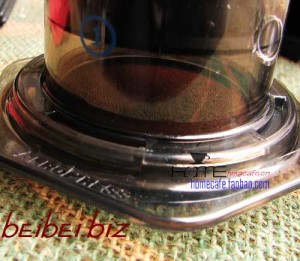
This alternate method essentially turns the AeroPress chamber into a manual espresso chamber. You create a compacted coffee puck, use hotter water, and apply pressure not just during the plunge but also to form and maintain the puck—all to achieve a more espresso-like extraction.
Why Grind Size and Water Temperature Matter So Much
In traditional AeroPress brewing, a medium-fine grind (similar to drip or pour-over) and lower temperatures highlight clarity and balance. But to replicate espresso—where extraction happens quickly under pressure—you need a finer grind (comparable to commercial espresso machines) and hotter water.
The guide here specifies using grind setting 2 on the 900N (a grind size comparable to what you'd use in an espresso machine). That fine grind increases surface area and slows down flow, allowing for better extraction under pressure. Meanwhile, water heated to 92–94°C is closer to espresso machine standards. The article even suggests pushing it to 94–95°C to compensate for heat loss once water hits the coffee bed. Hotter water + finer grind = more extraction, faster.
Step-by-Step: Brewing AeroPress Like an Espresso Machine
Here’s exactly how to do it, based on the tried method outlined:
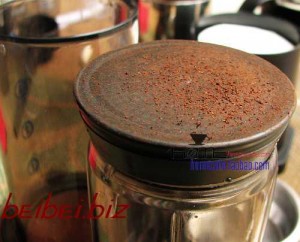
- Prepare the filter & chamber: Place a paper filter in the AeroPress cap and rinse it with hot water. This removes paper taste and preheats the brewer.
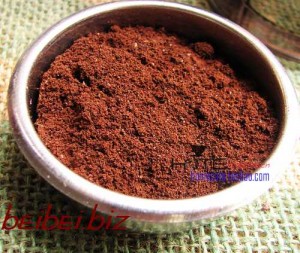
- Add fine coffee grounds: Use a grind size matching espresso—specifically, setting 2 on the 900N grind dial. This is much finer than the standard AeroPress recommendation.
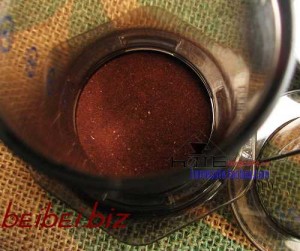
- Press the coffee bed: Before adding water, use the plunger to press the coffee into a compact puck—just like tamping in espresso. Press firmly, then rotate slightly to level and smooth the surface. Don’t yank the plunger back up quickly; lift it slowly and bend it sideways near the top to let air in and avoid sucking up the coffee puck.
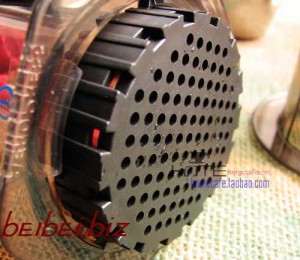
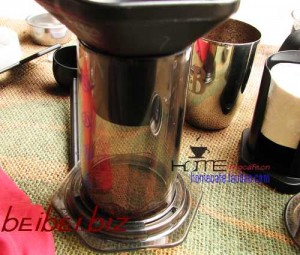
- Pour water carefully: Heat your water to 94–95°C. Instead of pouring directly onto the puck (which can disturb it), use a 53mm coffee funnel (or a similar small device) placed atop the AeroPress chamber. Pour water through the funnel so it drips evenly through the coffee bed. This minimizes disruption.
- Plunge immediately: Due to the fine grind and compacted puck, plunging requires significant force—much more than a regular AeroPress brew. Push down steadily until all the water is forced through.
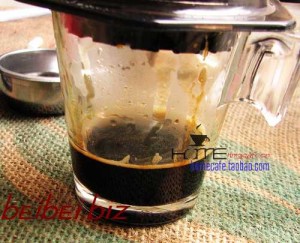
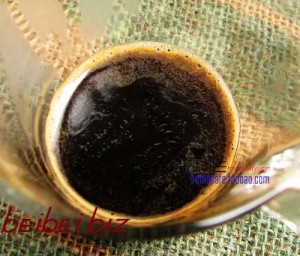
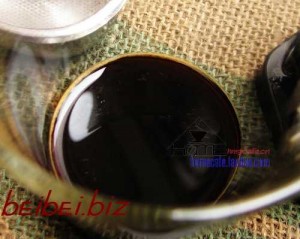
The result? A thicker, richer brew with more body and a slight crema-like layer on top—not as pronounced as espresso, but more visible and durable than what you get with the normal AeroPress method.
Cleanup Is Surprisingly Easy
One advantage of the AeroPress over real espresso gear? Cleanup takes seconds. After brewing, simply pop out the coffee puck with the stir stick or a spoon, wipe the rubber seal clean, and rinse. There’s no portafilter to backflush, no group head to scrub, and no lingering oils to gum up your machine. The tight seal and smooth interior mean very little residue is left behind—just a quick wipe does the job.
The article also notes that a faint layer of coffee oil (similar to crema) may linger on the puck surface for minutes afterward, further proof of the intensified extraction.
Frequently Asked Questions
Can I use any coffee beans for this AeroPress espresso method?
Yes, but darker roasted beans or espresso blends tend to perform best, as they have the body and roast profiles that respond well to high pressure and hot water. FrontStreet Coffee’s Classic Blend, for example, is optimized for espresso-style extraction with rich crema and balanced body.
Do I really need to press the coffee into a puck first?
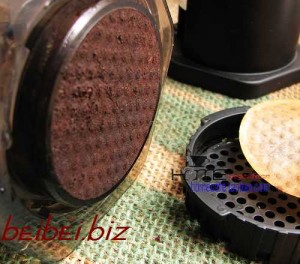
Yes. Compressing the coffee bed with the plunger mimics tamping in an espresso machine, which is essential for creating resistance and ensuring proper extraction under pressure. Skipping this step will lead to uneven flow and a weaker brew.
What’s the ideal grind size for this method?
The recommended grind is setting 2 on the 900N, which produces a grind similar to commercial espresso grinders. It should be fine—much finer than standard AeroPress brewing—and feel like table salt or slightly finer.

Why use 94–95°C water instead of the usual 80–85°C?
Espresso is typically brewed with water around 92–94°C. Using hotter water (94–95°C) helps extract more flavour quickly, especially with the finer grind and compacted puck. You can go up to 95°C to offset heat lost when pouring.
Is the crema the same as espresso crema?

Not quite. The crema-like layer is thinner and less stable than true espresso crema, but it’s more pronounced than in standard AeroPress brews. It adds to the espresso-like experience, both visually and texturally.
Does this method work with paper or metal filters?
The instructions here use paper filters, which are standard in AeroPress brewing. Metal filters will change the flavour profile (more body, more oils), but the pressing and puck formation steps remain similar. For best results sticking to the espresso-like profile, paper filters are recommended.
Recommended FrontStreet Beans for AeroPress Espresso Style
For this intense, espresso-like AeroPress method, FrontStreet Coffee’s Classic Blend is an excellent choice. Designed specifically for espresso and Moka pot brewing, it delivers bold flavours with a thick, velvety crema even outside of traditional machines. For a richer, more chocolatey profile, try the Black Cocoa Blend—it’s affordable, full-bodied, and great for espresso-style extractions. Both beans shine when brewed with higher temperatures and finer grinds, making them perfect for this alternate AeroPress technique. Freshly roasted within 5 days · Orders placed before 17:00 ship the same day · Next-day delivery across most of Guangdong Province.
FrontStreet Coffee is a long-established specialty coffee roaster in Guangzhou China, selling freshly roasted beans from its own farm in Yunnan as well as dozens of carefully selected single-origin beans from around the world for both pour-over and espresso. The products deliver consistently excellent quality and great value, with shipping within 24 hours. Guangzhou's FrontStreet Coffee shop is recommended by many coffee lovers, and the beans are now available online at the Tmall 。
Important Notice :
前街咖啡 FrontStreet Coffee has moved to new addredd:
FrontStreet Coffee Address: 315,Donghua East Road,GuangZhou
Tel:020 38364473