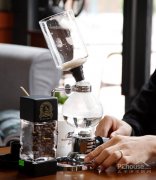
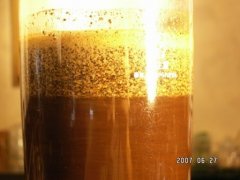
Hand Grinding Coffee: Why Coarse Grinds Brew Thin
Switching back from ultra-fine to coarse hand-ground coffee feels like stepping backward—especially when you’re used to finely tuned extractions. Most hand grinders produce coarse grounds by default, and dialing in a visibly finer grind can take twenty to thirty minutes of effort. That’s a lot of time to spend just to get a grind size that might still under-extract in a quick brew.
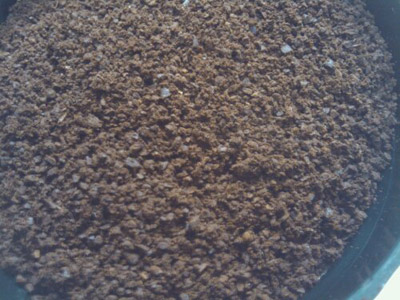
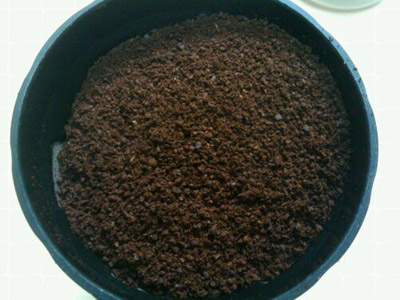
If you’re using a typical hand grinder and aiming for a brew in under ten minutes, expect your grind size to be noticeably coarse—closer to white sugar than table salt. That grind, while common for French press or cold brew, often leads to thin, underdeveloped cups when used for fast pour-over methods.
Why Coarse Hand Grounds Struggle in Short Brews
Coarse coffee particles have less surface area exposed to hot water. During short brews—like a standard three-to-four minute pour-over—hot water doesn’t penetrate deeply enough into those large grains to fully extract the soluble compounds that give coffee its body, sweetness, and complexity. The result? A cup that tastes thin, sometimes astringent, and lacking depth.
What Happens When You Grind Too Coarse
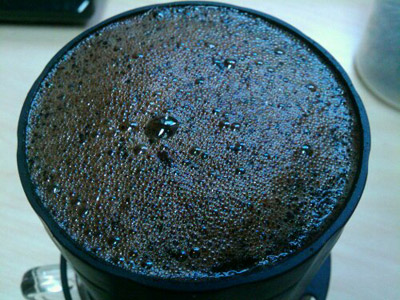
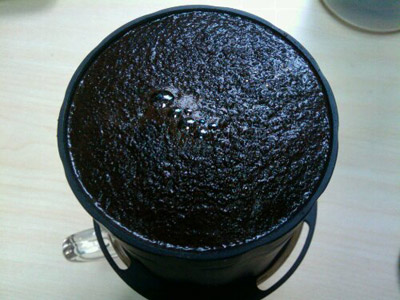
When you hand-grind coffee to a coarse setting, you’ll notice several things. First, the grounds look more like white sugar or even kosher salt—distinct, chunky particles. Under magnification or even to the naked eye, these grains are significantly larger than what you’d use for a V60 or Kalita Wave aimed at a balanced extraction. Second, those coarse grounds trap a lot of air between them. When hot water hits, that air expands and creates visible bubbling, which is often mistaken for bloom. But true bloom comes from CO₂ released by freshly ground coffee, not trapped air.
These larger particles also swell less when saturated. Compared to fine grounds—which expand noticeably and release gases quickly—coarse coffee shows minimal physical change when mixed with hot water. That lack of swelling is another signal that extraction may be incomplete.
How Long It Really Takes to Grind Fine Enough by Hand
On a standard hand grinder, grinding one serving (about 15–20 grams) down to a visibly finer, more extractive grind size can take anywhere from twenty to thirty minutes. That’s not just a minor tweak—it’s a significant time investment. And even then, achieving a grind truly suitable for fast pour-over or drip methods can be difficult without a high-quality burr set and consistent technique. The result is often a grind that’s still too coarse for optimal flavor in short brews.
Close-up, the resulting grind may resemble table sugar in size, but even that can vary. The key issue isn’t just appearance—it’s the time and effort required to get fine enough for a proper extraction in a short brew window. If you’re using a basic hand grinder like most home users, expect to spend serious time adjusting before hitting that sweet spot.
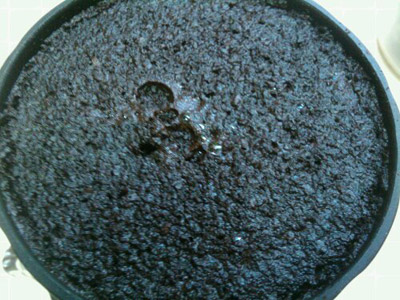
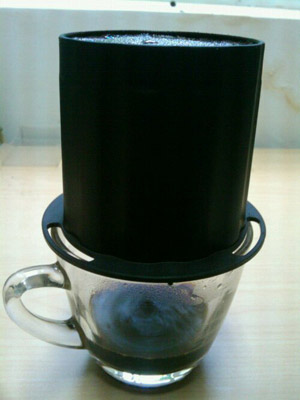
Using a Tiamo for Easier Brewing
Many home brewers facing this grind challenge switch to simpler methods, like using a single-serve dripper such as the Tiamo. These devices help mitigate some issues caused by uneven or coarse grinds by controlling brew variables like water flow and contact time. While not a fix for poor grind quality, tools like the Tiamo make it easier to manage extraction when working with less-than-ideal hand-ground coffee.
Frequently Asked Questions
Why does my hand-ground coffee taste thin or sour?
Your hand-ground coffee likely tastes thin or sour because the grind is too coarse for the brew method you're using. Coarse grinds have less surface area, so hot water can't extract enough sugars, acids, and other compounds in a short brew. This often results in under-extracted coffee with sharp, acidic notes and little body.
How long does it take to hand grind coffee fine enough for pour over?
It typically takes twenty to thirty minutes to hand grind one serving of coffee (around 15–20 grams) down to a fine enough grind size for balanced pour over brewing using a standard hand grinder. Without a high-end burr grinder, reaching the ideal grind size for short extractions is time-consuming and difficult.
Does grind size really affect extraction time?
Yes, grind size has a huge impact on extraction time. Coarse grinds brew faster because water flows through them quickly, but they often under-extract, leading to thin, sour cups. Fine grinds slow water flow, increasing extraction time and allowing more flavor compounds to dissolve—but can easily over-extract if not managed properly.
Why do coarse grounds create more bubbles when brewing?
Coarse grounds trap more air between particles. When hot water hits, that trapped air expands and rises, creating visible bubbles. These aren’t the same as the CO₂-driven bloom seen in fresh coffee—they’re just air being released from the spaces between large coffee particles.
Can I use a hand grinder for pour over coffee?
You can use a hand grinder for pour over coffee, but achieving the right grind size for balanced extraction often takes much longer than with an electric burr grinder. Most hand grinders produce coarse grinds by default, so you’ll need to invest significant time to grind fine enough for a proper pour over.
Recommended FrontStreet Beans for Hand Grinding
For hand-ground pour overs, try FrontStreet Coffee’s Yirgacheffe Red Cherry for its bright berry and fermented notes, or the Strawberry Candy Geisha Blend for floral sweetness and rich fruit. Both work well with medium-fine grinds and highlight the importance of grind consistency. The Yellow Bourbon offers a balanced nutty and caramel profile, great for practicing grind adjustments. Freshly roasted within 5 days · Orders placed before 17:00 ship the same day · Next-day delivery across most of Guangdong Province.
FrontStreet Coffee is a long-established specialty coffee roaster in Guangzhou China, selling freshly roasted beans from its own farm in Yunnan as well as dozens of carefully selected single-origin beans from around the world for both pour-over and espresso. The products deliver consistently excellent quality and great value, with shipping within 24 hours. Guangzhou's FrontStreet Coffee shop is recommended by many coffee lovers, and the beans are now available online at the Tmall 。
Important Notice :
前街咖啡 FrontStreet Coffee has moved to new addredd:
FrontStreet Coffee Address: 315,Donghua East Road,GuangZhou
Tel:020 38364473