How to Properly Dose and Tamp Espresso for Consistent Extraction
Making espresso isn’t just about pushing a button. The real skill lies in getting the coffee dose, distribution, and tamp just right—factors that determine whether your shot flows smoothly for 25 seconds or turns into a bitter, uneven mess. Even slight inconsistencies in how you load and press the coffee into the portafilter can sabotage your extraction.
The ideal single or double espresso dose is 7 grams, but achieving the perfect extraction means more than just hitting that number—it’s about how the coffee is spread, compressed, and prepared for water pressure. This process, often overlooked, is one of the hardest parts of brewing espresso well.
What Is the Coffee ‘Cake’ and Why Does It Matter?
In espresso brewing, the tightly packed coffee puck inside the portafilter is called the “cake.” How this cake forms—and how uniformly water passes through it—determines whether you get balanced extraction or channeling. For a proper espresso, water should take about 25 seconds to pass through, extracting flavors fully while minimizing bitter compounds and excessive caffeine. That timing is known as the espresso flow-rate golden rule.
Environmental Factors That Affect Your Dose
Coffee absorbs or releases moisture depending on ambient humidity. On humid days, grinds retain more water, becoming slightly denser. On dry days, they lose moisture and become lighter. These changes mean you’ll need to adjust both your grind size and dose regularly to maintain that target 25-second extraction time.
How to Distribute and Tamp Espresso Like a Pro
Once ground, the coffee needs to be leveled and tamped consistently. The standard professional technique is:
- Use a tamper to distribute the grounds evenly.
- Press lightly with 5 pounds of force to settle the coffee.
- Then apply 30 pounds of pressure for the main tamp.
- Follow with 20 pounds of pressure.
- Rotate the tamper 720 degrees (two full turns) to ensure an even surface.
If the environment is very humid, you may need to tamp harder to slow down extraction. Many baristas, especially those working outdoors, tweak their tamping pressure constantly to match real-time climate conditions.
The Importance of a Level, Even Puck
A flat, even coffee cake is essential. If pressure is uneven during tamping, channels can form where hot water punches through weak spots. These channels lead to under-extracted coffee (which may appear as yellowish-brown liquid at the group head) and over-extracted zones (which produce white streaks in the cup). There’s no magic tool or built-in tamper that guarantees perfection—only experience and feel will help you learn what a truly level puck feels like.
Pre-Infusion: The Secret to Better Extraction
Many skilled baristas rely on a machine feature called pre-infusion—or pre-wetting—to improve shot quality. With pre-infusion, the coffee puck is soaked with water for 5–8 seconds before full pressure extraction begins. This step serves two purposes: it helps dissolve aromatic compounds more easily, and it ensures the top of the puck compacts uniformly, reducing the risk of uneven water flow and channeling.
Water Temperature: Fine-Tuning Espresso Flavor
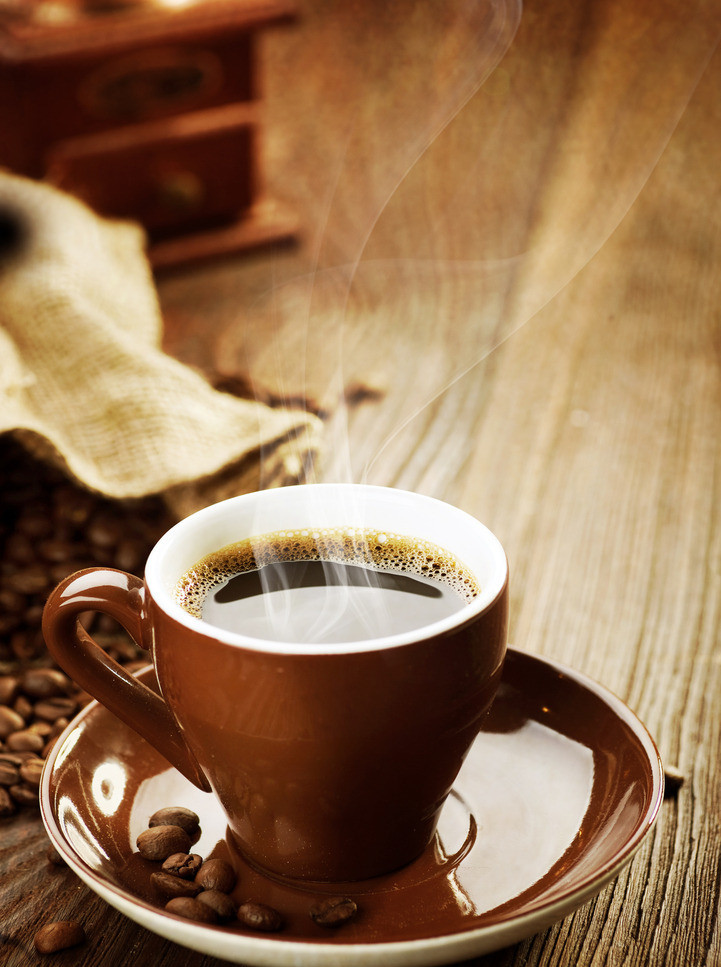
Water temperature is critical. At the right temperature, espresso has a deep red-brown color with dark brown crema speckles—known in Italian as tigre (tiger stripes)—and a crema thickness of at least 4 millimeters. If the water is too cool, the shot looks pale with weak crema and lacks complexity. Too hot, and you risk burning the oils, creating harsh, bitter flavors with thick black streaks in the crema. Some technical baristas, like those focused on extreme precision, bypass machine thermometers entirely and place temperature sensors directly into the puck to monitor heat in real time.
Frequently Asked Questions
How many grams of coffee should I use for a single or double espresso?
The standard dose is 7 grams, typically used for a single espresso. For a double, the dose may be around 14–18 grams depending on basket size, but the single 7g dose is often cited as a baseline for proper flow rate and extraction testing.
What is the ideal espresso extraction time?
The ideal extraction time for espresso is around 25 seconds. This “golden rule” helps balance flavor extraction—pulling out desirable aromatic compounds while minimizing over-extraction of bitter elements and caffeine.
How much pressure should I use when tamping espresso?
The standard professional technique involves tamping with multiple levels of pressure: first 5 pounds to settle the grounds, then 30 pounds for the main press, followed by 20 pounds, and a 720-degree tamper rotation. In humid conditions, you may need to apply more pressure to slow extraction.
Why is pre-infusion important for espresso?
Pre-infusion, or pre-wetting, involves soaking the coffee puck with low-pressure water for 5–8 seconds before full extraction. This helps saturate the coffee evenly, dissolves aromatic compounds more effectively, and reduces channeling by ensuring a level, stable puck structure.
Does water temperature really affect espresso flavor?
Yes. The ideal temperature produces a rich red-brown espresso with tiger-stripe crema and at least 4mm of foam. Water that’s too cold leads to pale, under-extracted shots; water that’s too hot burns the crema, causing bitterness and black streaks. Precision baristas sometimes monitor puck temperature directly.
Can I use a tamper with a built-in scale or pressure gauge?
While some tampers include pressure indicators or scales, skilled baristas generally advise against relying on them. Developing a tactile sense of even distribution and proper tamping force through experience yields far better results than trusting standardized or mechanical tools.
Recommended FrontStreet Coffee Beans for Espresso
For dialing in your espresso technique, try FrontStreet Coffee’s Ethiopia Humbera—bright with citrus and floral tones, offering clarity for puck tests. Pair it with their Classic Blend for a balanced, chocolatey foundation that highlights crema development. Both beans respond well to 25-second extractions and reveal texture through proper tamping. Freshly roasted within 5 days · Orders placed before 17:00 ship the same day · Next-day delivery across most of Guangdong Province.
FrontStreet Coffee is a long-established specialty coffee roaster in Guangzhou China, selling freshly roasted beans from its own farm in Yunnan as well as dozens of carefully selected single-origin beans from around the world for both pour-over and espresso. The products deliver consistently excellent quality and great value, with shipping within 24 hours. Guangzhou's FrontStreet Coffee shop is recommended by many coffee lovers, and the beans are now available online at the Tmall 。
Important Notice :
前街咖啡 FrontStreet Coffee has moved to new addredd:
FrontStreet Coffee Address: 315,Donghua East Road,GuangZhou
Tel:020 38364473