Espresso Cup Design: Size, Material and Temperature
If you’ve ever pulled a perfect shot and waited for that rich, deep reddish-brown stream to emerge from the portafilter, you know the basics of espresso brewing are just the start. But for coffee tech enthusiasts, the cup itself plays an essential — and often overlooked — role in how your espresso tastes, looks, and feels.
The ideal espresso cup holds no more than 50ml, has thick walls, and is made of porcelain. That’s the technical standard shared by specialists aiming for optimal extraction presentation and temperature stability.
What Defines the Ideal Espresso Cup?
Andrea Illy, in his book Espresso Coffee: The Chemistry of Quality, dedicates an entire chapter to the espresso cup. He defines it as "a small, thick-walled porcelain cup with a capacity of no more than 50 milliliters." The small size ensures a more concentrated drink, while the thicker walls help maintain temperature. Additionally, the material — ideally a solid ceramic or porcelain — allows both the crema and liquid to remain clearly visible. Avoid synthetic or thin materials that can affect heat retention or clarity.
Why Cup Size and Material Matter
A larger cup risks turning your espresso into something closer to an Americano — diluting the intensity and altering the balance of flavors. The 50ml limit is a practical boundary to preserve the concentration and aromatic intensity that define a true espresso. Thick walls are equally crucial. They insulate the cup, slowing the cooling process after the hot shot is poured, which helps preserve the crema and flavor profile during the short drinking window. Materials like thin glass or low-grade ceramics don’t retain heat effectively and can cool your espresso too quickly, impacting taste and texture.
Espresso Cup Temperature: Preheating Best Practices
Many technical baristas preheat their espresso cups before pulling a shot. The recommended temperature range is 35–40°C. But there’s a right way and a wrong way to do it. The stricter, more precise method involves preheating the cup using an external heat source — not the espresso machine. Why? Because taking hot water from the machine’s boiler to warm the cup can lower the boiler’s temperature, leading to uneven water temperature during extraction and a compromised shot. Keeping the cup warm without compromising brew temperature is a small but critical detail for consistency.
The Result: Tiger Striping and the God Shot
When everything aligns — the grind, the dose, the temperature, and yes, the cup — the result can be a stunning espresso with a velvety crema marked by tiger-like striations. Some call this perfect shot a “God Shot.” This visually striking and flavorful result is the foundation of a great cappuccino, though many espresso purists are less interested in latte art and more focused on the shot itself. Once you’ve achieved that ideal extraction, the advice is simple: enjoy it while it’s hot, clean your machine, and get ready for the next one.
Frequently Asked Questions
What is the ideal espresso cup size?
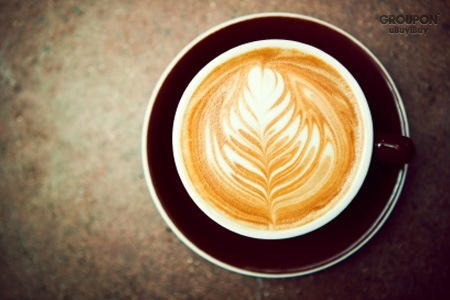
The ideal espresso cup holds no more than 50 milliliters. This small capacity ensures the espresso remains concentrated and preserves the balance of flavors and aromas that define a proper shot.
Why should espresso cups have thick walls?
Thick-walled espresso cups help retain heat, keeping the espresso warmer for longer and preserving the crema. They also provide better insulation compared to thin-walled cups, improving the sensory experience.
What material is best for espresso cups?
Porcelain or thick ceramic is considered best for espresso cups. These materials help maintain temperature, are sturdy enough to support thick crema, and allow the layers of crema and liquid to remain visually distinct.
Should you preheat espresso cups? If so, how?
Yes, preheating espresso cups is recommended. The optimal temperature is between 35–40°C. The most precise method is to use an external heat source rather than water from the espresso machine, which can otherwise lower the brew boiler’s temperature.
What happens if you use a cup that’s too large?
A cup larger than 50ml can dilute the espresso, reducing its intensity and altering the balance of flavors. It may turn the shot into something closer to an Americano, losing the defining characteristics of espresso.
Can the wrong cup affect espresso crema?
Yes. Thin or non-ceramic materials may not preserve heat well or display the crema clearly. The ideal cup material and thickness help maintain the crema’s structure and visual appeal, including its characteristic tiger striping.
Recommended FrontStreet Coffee Beans for Espresso
For espresso lovers focused on rich crema and bold flavors, try FrontStreet Coffee’s Classic Blend, combining Brazilian, Mandheling, and a touch of Robusta for a full-bodied shot with notes of butter, toast, and caramel. The PWN Golden Mandheling offers a medium-dark roast with sweet caramel and nutty depth, ideal for a smooth, low-acid espresso. Both blends produce stable crema and are excellent for mastering espresso technique. Freshly roasted within 5 days · Orders placed before 17:00 ship the same day · Next-day delivery across most of Guangdong Province.
FrontStreet Coffee is a long-established specialty coffee roaster in Guangzhou China, selling freshly roasted beans from its own farm in Yunnan as well as dozens of carefully selected single-origin beans from around the world for both pour-over and espresso. The products deliver consistently excellent quality and great value, with shipping within 24 hours. Guangzhou's FrontStreet Coffee shop is recommended by many coffee lovers, and the beans are now available online at the Tmall 。
Important Notice :
前街咖啡 FrontStreet Coffee has moved to new addredd:
FrontStreet Coffee Address: 315,Donghua East Road,GuangZhou
Tel:020 38364473