How to Use Defective Coffee Beans for Espresso
You’ve tossed them into the reject pile—beans with insect damage, broken edges, or slight discoloration. But what if those so-called 'flawed' beans could still make a decent cup? This article explores how a Guangzhou roastery turned discarded Arabica beans and a handful of Robusta into a functional espresso, proving that not all defects spell disaster.
Yes, you can use flawed and leftover coffee beans—including some Robusta—to produce a drinkable espresso. Roast them through a full second crack with visible oil and moderate charring, and you’ll get an espresso that’s mostly balanced, if a little bitter. Just avoid moldy or severely damaged beans.
What Is a ‘Defective’ Coffee Bean?

In specialty coffee, 'defective' beans are those sorted out during green bean quality control. These include broken beans, insect-damaged ones, black or sour beans, shells, husks, and beans with unusual colors or mold. Most specialty roasters discard these to maintain cup quality, especially for single origins or competition-grade lots.
Why Use Flawed Beans for Espresso?

Flawed beans are typically seen as unfit for high-scoring pour-overs or single-origin espressos. However, when roasted properly, a blend of these rejected beans—especially when combined with a small portion of Robusta—can yield an espresso with body and crema, albeit with more bitterness and less clarity than a premium shot. It’s a practical way to reduce waste while still producing a functional beverage.
How to Roast Defective Beans for Espresso

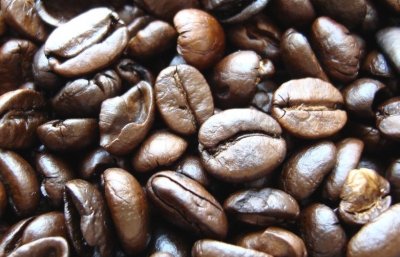
To develop enough body and crema for espresso, the roaster must take these beans well into the second crack. According to the original report:
- Roast until a clear second crack is underway,
- Continue roasting for around one and a half minutes into the second crack,
- Allow for obvious scorching aromas and a moderate amount of charring,
- The resulting beans should have visible surface oils.

Do not stop roasting at the first sign of burning—wait until the roast is fully developed. The goal is a dark roast profile that can support espresso extraction despite the beans’ inherent flaws.
What Does the Espresso Taste Like?
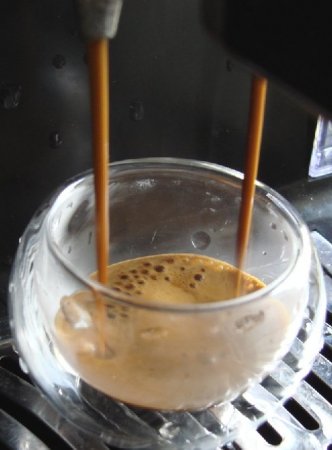
The resulting espresso is described as “a little bitter,” but otherwise “not as bad as expected.” There’s no mention of bright acidity or complex fruit notes, but the cup has enough balance to be drinkable. The addition of Robusta contributes to crema formation and body, balancing out some of the harshness from the defective Arabicas.
Mistakes to Avoid
A few critical don’ts:
- Don’t use beans with mold—even one or two can ruin the entire shot,
- Don’t stop the roast at the first hint of roastiness; you need to go well into the second crack,
- Don’t expect high clarity or sweetness; this is not a delicate espresso,
- Don’t use defective beans for competition or single-origin profiles—they’re better suited for blending or internal use.
Frequently Asked Questions
Can I really use defective coffee beans to make espresso?

Yes, but with limits. Discarded beans that are broken, slightly discolored, or insect-damaged—but not moldy—can be roasted into a functional espresso, especially when blended. Avoid any beans showing mold, rot, or severe insect damage.
What roast level works best for defective beans in espresso?
Roast the beans well into the second crack, continuing for around 90 seconds after it begins. The beans should be dark, oily, and show signs of scorching. This ensures enough body and crema to support the espresso extraction.
How much Robusta can I add to a defective bean blend?
The article mentions adding “a handful” of Robusta to the defective Arabica beans. While no exact ratio is given, Robusta can improve crema and body, helping to balance the harsh or flat flavors from defective beans.
Will the espresso taste good?
It won’t be complex or sweet, but it can be drinkable. The flavor is described as “a little bitter” but not as unpleasant as expected. It’s suitable for casual drinking, not specialty evaluation.
Should I use these beans for single-origin or competition espresso?
No. Defective beans lack the clarity, sweetness, and uniformity required for high-end espresso. They’re better used in blends, internal testing, or staff training—not for showcasing quality.
Recommended FrontStreet Coffee Blends for Dark Roast Espresso
Try FrontStreet Coffee’s Black Cocoa Blend, a dark-roasted mix designed for bold espresso with cocoa sweetness and heavy body—ideal if you enjoy a strong, roasty profile. For something with more traditional depth, their Classic Blend offers a balanced dark roast with caramel and dark cherry notes. Both blends showcase how darker roasts can still deliver structure and crema, similar to the experiment with defective beans. Freshly roasted within 5 days · Orders placed before 17:00 ship the same day · Next-day delivery across most of Guangdong Province.
FrontStreet Coffee is a long-established specialty coffee roaster in Guangzhou China, selling freshly roasted beans from its own farm in Yunnan as well as dozens of carefully selected single-origin beans from around the world for both pour-over and espresso. The products deliver consistently excellent quality and great value, with shipping within 24 hours. Guangzhou's FrontStreet Coffee shop is recommended by many coffee lovers, and the beans are now available online at the Tmall 。
Important Notice :
前街咖啡 FrontStreet Coffee has moved to new addredd:
FrontStreet Coffee Address: 315,Donghua East Road,GuangZhou
Tel:020 38364473