Best Natural Sugars for Coffee: Beyond White Sugar
If you’ve ever stared at your coffee, wondering what kind of sugar might actually make it taste better—not just sweeter—you’re not alone. The default white sugar is cheap and easy, but it can mask the delicate flavours in good coffee. So what should you reach for instead? From Japanese black sugar to European brown cubes, the right sugar can enhance your cup without overpowering it.
The short answer? Go for less processed sugars like Japanese black sugar, European-style brown sugar (also called raw cane or palm sugar), or natural alternatives like honey and maple syrup. These bring more depth and complexity than regular table sugar—and many are widely available. Avoid white sugar unless you want a flat-tasting cup.
What Is Black Sugar and Why Do People Love It?
Black sugar—despite the trendy name—is essentially the same as the everyday brown sugar many people already know. The difference lies in the processing. Japanese black sugar is made with greater care, resulting in a richer, more complex sweetness. It’s less sharp than white sugar, and its deeper molasses notes make it ideal for desserts and coffee alike. In Japan, it’s a favourite in red bean fillings and other sweets where a layered flavour is key. Though premium imported black sugar can be pricey, regular brown sugar offers similar benefits at a much lower cost. Many associate brown sugar with traditional dishes like Chinese sugar triangles—simple, sweet, and timeless.
Brown Sugar Cubes and Raw Cane Sugar for Coffee
Brown sugar, also known as palm sugar or sometimes referred to as brown sugar cubes, is commonly used in Europe, especially in cafés that serve high-quality coffee. These aren’t your average soft brown sugars—they often come as rough, solid cubes that look old-fashioned but deliver big on taste. They’re preferred over white sugar because they don’t mute the complex flavours extracted from well-brewed coffee. Using a cube of brown sugar in a black coffee is a minimalist move favoured by those who appreciate subtlety. These sugars are frequently seen in European coffee settings and signal that the café takes its coffee seriously.
Golden Brown Lump Sugar: A Hong Kong Favourite
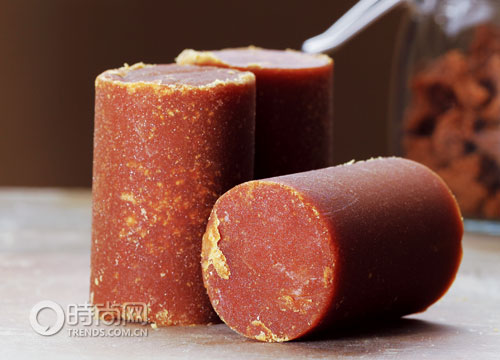
Golden lump sugar—also called gold bar sugar or yellow sugar slab—is a dense, soap-like block with a layered, wafer-like interior. It’s a staple in Cantonese-style cooking and is especially popular in sweet soups like sweet potato and ginger tonic or water chestnut soup. It has a mellow sweetness that sits between white sugar and black sugar, making it a great middle-ground option for coffee too. Though less common in supermarkets, it’s valued for its unique flavour in traditional drinks and can work surprisingly well in brewed coffee, particularly for those avoiding overly sweet or sharp sugars.
Coconut Sugar: Rich, Fragrant, and Expensive
Coconut sugar is among the priciest sugars available in China, typically imported from Southeast Asia at over ¥300 per kilogram. It’s finely granulated, almost like powdered sugar or sometimes formed into dense pillars reminiscent of wax candles. Its aroma is distinctly tropical and appealing—even kids love its flavour. It’s widely used in Southeast Asian desserts such as coconut pudding and coconut sago, both known for being refreshing and not overly sweet. The flavour profile works beautifully in coffee, offering a fragrant, low-acid sweetness that complements lighter roasts especially well. If you’re after a gourmet touch, coconut sugar is a luxurious option.
Honey and Other Natural Sweeteners
Honey is one of the few natural sweeteners that’s safe and pleasant for nearly everyone. It varies by floral source—Luo Han Guo honey, lychee honey, or mixed-flower blends all offer different flavour dimensions. Unlike refined sugar, honey can be used in both hot and cold drinks and even baked goods. For coffee, a light or medium floral honey can add complexity without harshness. Outside of coffee, it’s great in drinks like mint-honey tea. While it doesn’t dissolve as easily as sugar in cold coffee, it’s a healthier and more nuanced alternative—especially if you’re avoiding refined sugars altogether.
Syrups for Iced and Flavoured Coffee Drinks
Syrups are essential in iced coffee and flavoured beverages. Store-bought varieties are usually concentrated and designed to mix easily with cold liquids. Unlike granulated sugars, syrups dissolve instantly in cold coffee, making them a barista favourite. The gold standard is Lyle’s Golden Syrup from the UK—a thick, amber liquid treacle with a rich, buttery caramel flavour. Another premium option is Maple Syrup, a Canadian classic beloved in North America, especially as a topping for pancakes. In coffee, a small amount of high-quality syrup can elevate an iced latte or cold brew, adding layers of flavour without the chemical aftertaste of artificial sweeteners.
Frequently Asked Questions
What is the best sugar to use in coffee?
The best sugar for coffee depends on your taste, but less processed options like Japanese black sugar, raw cane sugar, or golden lump sugar offer more complex flavour than white sugar. For a richer cup, brown sugar or coconut sugar works well, while honey adds a natural floral note. Avoid white sugar if you want to taste more of your coffee’s natural characteristics.
Is black sugar the same as brown sugar?
Black sugar is very similar to brown sugar but is often processed more carefully, especially in Japan, giving it a deeper, more molasses-forward flavour. In China, what’s called “black sugar” is essentially the same as the everyday brown sugar many already use, just with a different name and marketing.
Can I use honey in coffee?
Yes, honey can be used in coffee, especially if you prefer natural sweeteners. Light or medium floral honeys work best to avoid overpowering the coffee. Keep in mind honey doesn’t dissolve as easily in cold coffee as syrup or granulated sugar.
Why do some cafés use sugar cubes?
Many European-style cafés use unrefined brown sugar cubes or golden lump sugar to avoid masking the flavour of high-quality, freshly brewed coffee. These sugars have a more nuanced taste and signal a focus on coffee craftsmanship.
What’s the difference between coconut sugar and palm sugar?
Coconut sugar is made from coconut palm sap and is finely granulated with a fragrant, slightly caramelised taste. Palm sugar (often called golden lump sugar) comes from the sap of other palm trees and is denser, with a layered texture. Both are less sharp than white sugar but have distinct flavour profiles.
Are syrups bad for coffee?
Not necessarily. High-quality syrups like Lyle’s Golden Syrup or pure Maple Syrup can enhance iced or flavoured coffee drinks. They dissolve easily in cold liquids and add flavour complexity. However, artificial or overly sweet syrups can mask the taste of good coffee.
Recommended FrontStreet Beans for Sweetened Coffee
For coffee drinkers adding natural sugars, try FrontStreet Coffee’s Ethiopia Yirgacheffe—bright and floral, balancing well with honey or golden syrup. Their Brazil Yellow Bourbon offers a nutty, chocolatey base that pairs nicely with brown sugar or coconut sugar. For something bolder, the PWN Golden Mandheling brings heavy body and low acidity, ideal for those who prefer stronger coffee with black or palm sugar. Freshly roasted within 5 days · Orders placed before 17:00 ship the same day · Next-day delivery across most of Guangdong Province.
FrontStreet Coffee is a long-established specialty coffee roaster in Guangzhou China, selling freshly roasted beans from its own farm in Yunnan as well as dozens of carefully selected single-origin beans from around the world for both pour-over and espresso. The products deliver consistently excellent quality and great value, with shipping within 24 hours. Guangzhou's FrontStreet Coffee shop is recommended by many coffee lovers, and the beans are now available online at the Tmall 。
Important Notice :
前街咖啡 FrontStreet Coffee has moved to new addredd:
FrontStreet Coffee Address: 315,Donghua East Road,GuangZhou
Tel:020 38364473