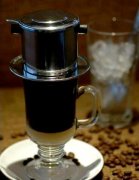
How to Brew Wild, Fruity Kilimanjaro Coffee
If you’ve ever read a review calling a coffee ‘wild’ or ‘untamed,’ chances are it was describing a cup from Mount Kilimanjaro. This legendary Tanzanian origin produces beans celebrated for their bold cocoa notes, deep sweetness, and striking fruitiness—qualities that define some of Africa’s most distinctive coffees.
To get the full experience of Kilimanjaro coffee, aim for a medium or medium-dark roast, use freshly ground beans, and brew with clean, hard water. The best results come from a medium-fine grind for pour-over or a slightly coarser setting for French press.
What Makes Kilimanjaro Coffee So Unique?
Kilimanjaro coffee comes from the slopes of Africa’s highest peak, a volcanic mountain that rises 5,895 meters above sea level. The region’s rich volcanic soil contributes to the coffee’s dense body and smooth acidity. Kilimanjaro AA is the top grade—selected for its large beans and superior cup quality. These beans typically show a rich aroma, wine-like and fruity notes, and a soft earthy finish that lingers on the palate.

Traditional Processing: Why It Tastes So Wild
Tanzanian producers often hand-pick ripe cherries that have fallen from the tree, which can affect consistency but also adds complexity. More importantly, most Kilimanjaro coffee is processed using the natural (dry) method. Without washing, the beans absorb more fruit sugars and compounds during drying, amplifying their inherent wildness and fruit character. That’s why many describe Kilimanjaro as having a ‘natural intensity’ rarely found in washed coffees.
How to Brew Kilimanjaro Coffee as a Single Origin
To highlight its vibrant profile, try these methods:
- Pour-over (e.g., V60 or Kalita Wave): Use a medium-fine grind, 1:15–1:17 brew ratio, 90–93°C water. Focus on a steady bloom and controlled pouring for clarity.
- French Press: Opt for a medium-coarse grind, steep 4 minutes, and enjoy its heavier mouthfeel and bold cocoa tones.
- Espresso: A medium roast works well under pressure, producing a syrupy shot with lingering notes of dark cherry and nuttiness.
Cold brew also works nicely, muting some acidity while extending the fruity sweetness.
Mixing & Blending Kilimanjaro Coffee
Kilimanjaro plays well with others. Its fruit and cocoa notes complement both bright and nutty beans. Try blending it with Kenyan or Ethiopian beans for layered acidity, or with Sumatran-style coffees to emphasize its earthy undertones. For iced coffee, a medium roast Kilimanjaro keeps its fruity edge even when chilled.
How to Create a Great Coffee Blend
To craft your own mix:
- Start with high-quality beans—poor quality ruins balance.
- Remove all defective beans (insect-damaged, broken, or undeveloped).
- Understand each bean’s flavour profile before blending.
- Match roast levels—Kilimanjaro usually shines at medium or medium-dark.
Turning Kilimanjaro Into a Fancy Drink
For a Japanese-style caramel cappuccino:
- Brew Kilimanjaro as a hot single origin.
- Warm your cup with hot water for 20–30 seconds, then dry it.
- Pour in the coffee, add sugar, but don’t stir.
- Spoon whipped cream on top in a spiral motion from the edge to center.
- Finish with a sprinkle of cinnamon and lemon zest.
How to Spot Fresh Kilimanjaro Coffee Beans
Freshness is key:
- Feel the beans—they should be solid, not hollow.
- Smell them; strong aroma means freshness.
- Bite one: a crisp crack shows it hasn’t absorbed moisture.
For single-origin bags, check that all beans are similar in size, shape, and colour. Mixed lots will naturally vary more.
The Science Inside the Bean
| Green (Raw) Bean | Roasted Bean | |
|---|---|---|
| Fat | 11.5% | 13.0% |
| Caffeine | 1.3% | 1.5% |
| Moisture | 11.5% | 2.6% |
| Protein | 11.8% | 12.8% |
| Sugar | 8.1% | 2.0% |
| Cellulose (Fiber) | 28.6% | 29.5% |
| Minerals | 4.0% | 5.0% |
| Tannins | 6.2% | 4.2% |
| Essence (Aroma Compounds) | 17.0% | 29.4% |
How Professionals Taste and Rate Kilimanjaro Coffee
Evaluators assess these attributes:
- Flavour: Smooth or rough textures.
- Body: Light or heavy mouthfeel.
- Acidity: Balanced or overly sharp.
- Freshness: From stale to bright and new.
- Defects: Off-flavours like grassiness or mould.
- Cup Surface: Clean or stained.
- Overall Impression: Mild or intense.
- Aroma: Weak or pronounced.
- Richness: Thin or full-bodied.
Frequently Asked Questions
What makes Kilimanjaro coffee taste different from other African coffees?
Kilimanjaro coffee is known for its intense cocoa and fruit notes, smooth acidity, and a soft earthy finish. It’s processed mostly using the natural method, which enhances its wild, sweet fruitiness compared to brighter, more acidic washed-process African coffees like Ethiopian Yirgacheffe or Kenyan beans.
What roast level is best for Kilimanjaro coffee?
Kilimanjaro shines at medium or medium-dark roast levels. These roasts develop its chocolatey and nutty undertones while preserving its distinctive fruit and wine-like aromas. Avoid very light or very dark roasts to maintain balance.
How should I brew Kilimanjaro coffee to bring out its best flavours?
Use a medium-fine grind for pour-over methods like V60 to enhance clarity and fruit notes. For a fuller body, try French press with a medium-coarse grind. Aim for water at 90–93°C and a brew ratio around 1:15 to 1:17. Consistent brewing temperature and technique are key.
Can I use Kilimanjaro beans in espresso?
Yes. A medium roast Kilimanjaro works well for espresso, yielding a syrupy shot with notes of dark cherry, cocoa, and nuttiness. Adjust grind for your machine to get a 25–30 second extraction.
How can I tell if my Kilimanjaro coffee beans are fresh?
Fresh beans feel solid, not hollow, and have a strong, pleasant aroma. Bite into one—it should make a crisp sound. Avoid beans that smell musty or feel soft. For single-origin bags, all beans should look similar in colour and size.
What’s the difference between natural and washed processing in Kilimanjaro coffee?
Natural (dry) processing, common for Kilimanjaro, dries the coffee cherry with the bean inside, absorbing more fruit sugars and creating intense, winey, and fruity flavours. Washed (wet) processing removes the skin and pulp early, resulting in a cleaner, brighter cup—less common with traditional Kilimanjaro lots.
Recommended FrontStreet Beans for Kilimanjaro Style
For a taste of Africa’s wild side, try FrontStreet’s Tanzania offering: a bright, complex single origin with citrus, stone fruit, and hints of almond. Also explore FrontStreet Kenya Little Tomato for its juicy acidity and berry notes, or Rwanda Red Bourbon for a fruity, nutty companion. All showcase the vibrant, fruit-forward profiles that pair well with Kilimanjaro’s style. Freshly roasted within 5 days · Orders placed before 17:00 ship the same day · Next-day delivery across most of Guangdong Province.
FrontStreet Coffee is a long-established specialty coffee roaster in Guangzhou China, selling freshly roasted beans from its own farm in Yunnan as well as dozens of carefully selected single-origin beans from around the world for both pour-over and espresso. The products deliver consistently excellent quality and great value, with shipping within 24 hours. Guangzhou's FrontStreet Coffee shop is recommended by many coffee lovers, and the beans are now available online at the Tmall 。
Important Notice :
前街咖啡 FrontStreet Coffee has moved to new addredd:
FrontStreet Coffee Address: 315,Donghua East Road,GuangZhou
Tel:020 38364473