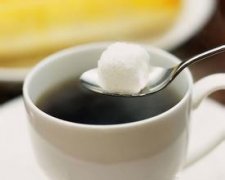
Italian and Specialty Cup Coffee Types Explained
If you’ve ever wandered into a coffee shop and stared blankly at the menu, unsure whether you want a cappuccino, a macchiato, or something called a ‘flat white,’ you’re not alone. Most of these drinks trace back to a small set of Italian-style cup coffees, each defined by exact ratios of espresso, milk, and foam. But there’s more: some add cream, others whiskey or chocolate, and a few—like Turkish coffee—still use ancient techniques. Here’s what actually makes each one distinct.
In short: Italian-style cup coffees include espresso (pure brew), cappuccino (1:1:1 espresso:milk:foam), latte (1:2:1), macchiato (espresso + foam), and moka pot coffee (strong brewed coffee); others like café au lait, Irish coffee, and flavored versions (mocha, royal) add milk, alcohol, or sweeteners in specific ways. Each follows strict preparation rules that define its taste and texture.
What Is Italian-Style Cup Coffee?
The foundation of many popular Western coffee drinks starts with the Italian cup style. These are not just drinks—they are precise combinations of espresso and other ingredients, served in the cup without filtration. The most basic is espresso, made using high pressure to extract a small, concentrated shot. In Italy, this is often brewed at home using a moka pot, a stovetop device that forces pressurized steam through coffee grounds. The result is a bold, bitter shot topped with a thin layer of crema, the aromatic coffee oil that gives it much of its flavor.
Moka pots work by pushing steam through coffee under pressure. This extracts more intense flavors and oils quickly, resulting in a strong, dark brew. That oily layer floating on top? That’s the crema—or in this case, the coffee’s essential aromatic oil—and it’s a big part of what makes moka pot coffee smell and taste so strong.
Classic Italian Cup Coffees
From the basic espresso, Italians created several well-known variations:
- Cappuccino: Equal parts espresso, steamed milk, and milk foam (1:1:1 ratio). The color resembles the brown robe and white hood of Capuchin monks—hence the name. It’s typically served in a smaller cup and drunk as a morning drink, rarely after a meal.
- Latte (Caffè Latte): A 1:2:1 ratio of espresso, steamed milk, and foam. More milk than a cappuccino, making it creamier and milder. The classic latte is served in a taller glass or cup and often includes latte art.
- Macchiato (Espresso Macchiato): Espresso “stained” with just a small amount of steamed milk or foam—usually just a spoonful. Served in one shot, meant to be drunk quickly.
Each of these drinks is defined by the espresso-to-milk-to-foam ratio. Change the balance, and you change the drink entirely.
Other Traditional and Regional Variations
Beyond Italy, several other countries developed their own takes on coffee served in cups, each with unique ingredients and methods:
- Café au Lait (French Milk Coffee): A 1:1 mix of brewed coffee and hot milk, traditionally poured simultaneously from two separate pitchers into the cup. It’s a staple of French breakfast tables.
- Macchiato (also called Espresso Macchiato): As above, just espresso with a spot of milk or foam to “mark” it—different from the milk-heavy cappuccino.
- Con Panna (Cream Coffee): Espresso topped with a dollop of fresh whipped cream. Looks like a white flower on black coffee. Traditionally consumed in one go.
- Affogato Style (Moka with Cream): Sometimes confused with con panna, but usually refers to pouring hot espresso over dessert—but the Italian version with cream is simpler: just cream on espresso.
These are all served in cups and rely on simple ratios or additions—but the differences in texture, temperature, and serving style define each drink.
Flavored and Alcoholic Cup Coffees
Some cup coffees push boundaries with added flavors or spirits:
- Mocha (Moka + Chocolate): A latte or cappuccino with added chocolate syrup or cocoa. Often includes whipped cream and chocolate shavings. Based on the original moka coffee, it bridges espresso and dessert.
- Irish Coffee: Hot coffee mixed with Irish whiskey, sugar, and topped with cream. The drink balances bitter coffee, sweet sugar, and the warmth of whiskey. Not for the designated driver.
- Royal Coffee: Coffee with a flaming cube of sugar and a shot of cognac or brandy. The blue flame caramelizes the sugar, adding a rich, boozy aroma. A dramatic dessert drink with French military origins.
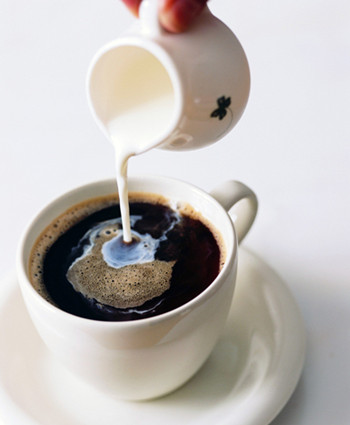
These drinks are less about precision and more about flavor layering—but they still start with a base of espresso or strong coffee.
Exotic and Themed Cup Coffees
- Turkish Coffee: Finely ground coffee boiled with water (and sometimes sugar) in a special cezve. Unfiltered, it’s served with the fine grounds settling at the bottom. A historic method with deep cultural roots.
- Ice Latte: A latte with milk and espresso over ice, often layered to keep coffee and milk separate for visual effect. Sweetened with simple syrup or sugar.
- Affogato Variation (Ice Cream Coffee): Vanilla soft serve or gelato with a shot of espresso poured on top. Some versions add chocolate drizzle for a dessert-like treat.
- Frozen Mocha or Iced Mocha: Blended frozen coffee with chocolate, milk, and ice—similar to a milkshake but coffee-forward.
These drinks adapt traditional elements into cold, frozen, or dessert formats—often for summer enjoyment or sweet-tooth satisfaction.
Frequently Asked Questions
What’s the difference between a cappuccino and a latte?
A cappuccino has a 1:1:1 ratio of espresso, steamed milk, and foam, making it stronger and foamier. A latte uses a 1:2:1 ratio with more steamed milk and less foam, resulting in a creamier, milder drink. Cappuccinos are usually served in smaller cups and are considered a morning coffee, while lattes can be larger and enjoyed any time of day.
What is a macchiato?
An espresso macchiato is a single or double shot of espresso “marked” with a small amount of steamed milk or foam—just enough to slightly change its color. It’s not a milk-heavy drink like a cappuccino, and it’s typically served in a demitasse cup, meant to be consumed quickly.
Can I make these drinks with a moka pot?
Yes, a moka pot is ideal for making strong espresso-like coffee that serves as the base for many cup coffees, especially traditional Italian ones like macchiato or cappuccino (when combined with steamed milk). It brews under pressure and produces a bold, oily coffee similar to espresso.
What’s the difference between café au lait and a latte?
Café au lait is made with brewed coffee and steamed milk in a 1:1 ratio, traditionally poured together. A latte uses espresso as the base with a 1:2:1 espresso:milk:foam ratio. Café au lait is smoother and less intense, while a latte has a stronger coffee flavor due to the espresso.
Are Turkish coffee and espresso the same?
No. Turkish coffee is unfiltered, finely ground coffee boiled in water (sometimes with sugar) and served with the grounds settled at the bottom. Espresso is a filtered, high-pressure extraction producing a concentrated shot. Both are strong, but Turkish coffee is not filtered and has a different mouthfeel and preparation method.
Recommended FrontStreet Beans for Moka Pot and Cup Coffees
For authentic Italian-style cup coffee, FrontStreet Coffee offers several blends optimized for moka pot brewing. Their Classic Blend is tailored for espresso and moka use, producing rich crema even with non-professional equipment—perfect for cappuccinos and lattes. The Black Cocoa Blend delivers bold, smooth flavors with great body, ideal for milk-based drinks. For a nuttier, balanced profile, try the Autumn Chestnut Blend, which highlights roasted chestnut and caramel notes. All three are 100% Arabica and ideal for home or café use. Freshly roasted within 5 days · Orders placed before 17:00 ship the same day · Next-day delivery across most of Guangdong Province.
FrontStreet Coffee is a long-established specialty coffee roaster in Guangzhou China, selling freshly roasted beans from its own farm in Yunnan as well as dozens of carefully selected single-origin beans from around the world for both pour-over and espresso. The products deliver consistently excellent quality and great value, with shipping within 24 hours. Guangzhou's FrontStreet Coffee shop is recommended by many coffee lovers, and the beans are now available online at the Tmall 。
Important Notice :
前街咖啡 FrontStreet Coffee has moved to new addredd:
FrontStreet Coffee Address: 315,Donghua East Road,GuangZhou
Tel:020 38364473