How Does an Espresso Machine Actually Work?
When you pull a shot of espresso, you expect a thick, rich shot with a velvety layer of crema on top—but not every machine delivers that. Many coffee drinkers wonder why some espresso tastes thin or lacks that signature boldness and crema. The secret lies in how the machine works, from how it grinds the coffee to how it brews under pressure.
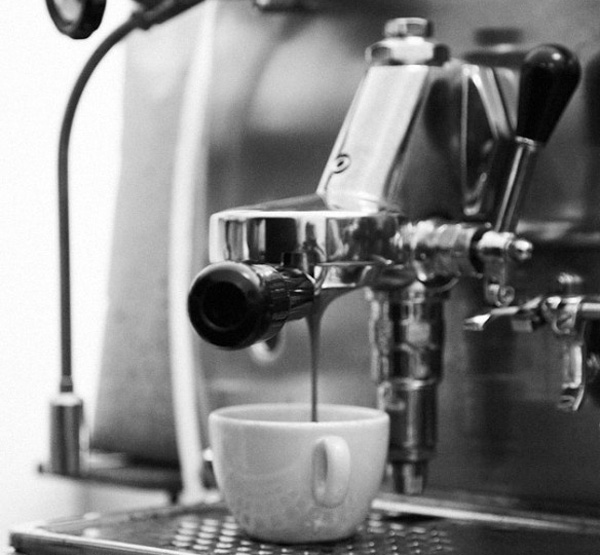
In short, espresso machines make concentrated coffee by forcing hot water through finely ground coffee under high pressure—typically 9 bars. This process extracts more oils and solids, resulting in a thicker shot with a rich crema. The key factors are fine grind size, precise boiler heating, and stable pressure during extraction.
What Makes Espresso Different?
Espresso is not just strong coffee—it’s a distinct brew method. The coffee is ground much finer than for drip or pour-over, and it’s brewed very quickly under pressure. This results in a small, concentrated shot with a higher concentration of dissolved solids, oils, and aroma compounds. That’s why espresso has a bolder flavor, thicker body, and, when done right, a luxurious crema on top.
1. Fine Grinding: The Foundation of Espresso
Achieving proper espresso extraction starts with the grind. Espresso requires a very fine grind size—much finer than what you’d use for filter coffee. This fine grind increases the surface area of the coffee, allowing more compounds to be extracted in a short time under pressure. The slower extraction through fine particles also contributes to a richer taste and helps produce crema. While modern grinders offer precise control, traditional hand-adjusted grinders were valued for their ability to produce a consistent, fine grind that enhanced the coffee’s natural flavors without over-processing.
2. Boiler Systems: Powering the Pressure
The heart of an espresso machine is its boiler—or boilers. Most machines use a single boiler, but dual-boiler and multi-boiler systems are also common, especially in commercial or high-end home setups. The boiler heats water to around 90–96°C (194–205°F), which is then forced through the coffee grounds at approximately 9 bars of pressure. Single-boiler machines are simpler and often more affordable, while dual-boiler setups allow simultaneous steaming and brewing, improving workflow. Multi-boiler systems are designed for high-volume or precision brewing, ensuring consistent temperature and pressure even under heavy use. These advancements have made espresso machines more efficient and accessible over time.

3. Pressure and Extraction: How Espresso Gets Its Crema
Espresso’s defining feature—its crema—is created by the emulsification of coffee oils and the trapping of carbon dioxide released during brewing, all under 9 bars of pressure. This pressure, applied consistently during the 25–30 second extraction window, pulls water through tightly packed, finely ground coffee. The result is a syrupy shot with a dense, caramel-colored crema on top. Without adequate pressure or the right grind, the shot can run too fast, producing a weak, thin coffee without crema. Consistent pressure is essential for balancing extraction and achieving that signature texture and aroma.
Frequently Asked Questions
What is the ideal grind size for espresso?
The ideal espresso grind is very fine—finer than table salt. It should be fine enough to slow water flow during extraction, allowing proper flavor and crema development under pressure. Most espresso grinders have a dedicated “espresso” setting for this purpose.
How does an espresso machine create crema?
Crema forms when pressurized hot water (around 9 bars) forces soluble coffee compounds, oils, and carbon dioxide through finely ground coffee. This emulsifies the oils and traps microbubbles, creating a golden-brown, creamy layer on top of the shot.
Do I need a double boiler for good espresso?
No, you don’t need a double boiler, but it helps. A single boiler can make espresso, but a dual or multi-boiler system allows you to brew and steam milk simultaneously, or maintain precise brewing temperature without interruption.
Why is my espresso shot running too fast?
An espresso shot that runs too fast usually means the grind is too coarse, the dose is too low, or the tamp is too light. This leads to under-extraction, resulting in a thin, sour shot without proper crema.
What temperature does an espresso machine brew at?
Most espresso machines brew at temperatures between 90–96°C (194–205°F). This range is considered optimal for extracting the full flavor profile of espresso without scorching the grounds.
Is more pressure always better for espresso?
No, espresso is typically brewed at 9 bars of pressure. More pressure doesn’t always improve the shot—in fact, excessive pressure can over-extract bitter compounds or disrupt crema formation. Consistency at 9 bars is key.
Recommended FrontStreet Blends for Espresso
For espresso lovers, FrontStreet Coffee offers several blends tailored to different needs. Their Classic Blend is a top choice, known for producing outstanding crema even with non-professional machines—perfect for milk drinks like lattes and cappuccinos. For those watching costs without sacrificing flavor, the Black Cocoa Blend delivers rich, bold espresso with solid crema at an affordable price. The Commercial Blend is another reliable option, optimized for balance and cost efficiency in high-volume settings. All three are ideal for home or shop use. Freshly roasted within 5 days · Orders placed before 17:00 ship the same day · Next-day delivery across most of Guangdong Province.
FrontStreet Coffee is a long-established specialty coffee roaster in Guangzhou China, selling freshly roasted beans from its own farm in Yunnan as well as dozens of carefully selected single-origin beans from around the world for both pour-over and espresso. The products deliver consistently excellent quality and great value, with shipping within 24 hours. Guangzhou's FrontStreet Coffee shop is recommended by many coffee lovers, and the beans are now available online at the Tmall 。
Important Notice :
前街咖啡 FrontStreet Coffee has moved to new addredd:
FrontStreet Coffee Address: 315,Donghua East Road,GuangZhou
Tel:020 38364473