The True Nature of Espresso: Pure, Bold, and Timeless
When you order an espresso, you expect a small cup of pure intensity—rich, bold, and dark. But ask ten people what makes a great espresso, and you’ll get ten different answers. Some love it bitter and thick, others want it smooth with just a hint of sweetness. So what really defines a proper espresso, and why does taste vary so much around the world?
Espresso is defined by its concentrated brew, thick crema, and balance of bitterness and acidity. Its key traits—rich flavor and bold body—come from extracting finely ground coffee under high pressure in just 25–30 seconds. But how you like it depends heavily on where you’re from.
What Makes Espresso ‘Pure’?
The word ‘pure’ in espresso refers to its undiluted, concentrated nature. Unlike filter coffee, espresso is a small, intense shot brewed by forcing hot water through finely ground coffee under pressure. This method produces a thick layer of crema on top and delivers a bold flavor in just 25–30 seconds. That intensity is what purists love—and what defines the drink.
The Flavor Balance: Bitter vs Acidic
Different regions interpret espresso’s flavor balance in starkly different ways. In southern countries, drinkers often prefer a stronger, more bitter profile with a heavier body and prominent crema. They value texture and depth. In northern regions, the preference leans toward a more balanced cup—less bitter, with some sweetness and acidity. Over-extraction, common when brewing too long or too finely, leads to bitterness and is a common issue in northern-style espressos that end up tasting harsh or astringent.
Popular Espresso Drinks and Their Appeal
Two classic espresso-based drinks stand out for their global popularity: the dark-roasted espresso romano (referred to here as ‘charcoal roasted coffee’) and the creamy cappuccino. The former, typically made with a darker roast, emphasizes bold, smoky, and sometimes slightly burnt notes—loved for its intensity. The latter combines a shot of espresso with steamed milk and frothed milk on top, creating a layered drink where the foam crowns the cup like a hat. The contrast between the bitter espresso and sweet, velvety milk is what makes the cappuccino so beloved. Optional cocoa powder adds another layer of richness for those who enjoy it.
Espresso in the Global Market
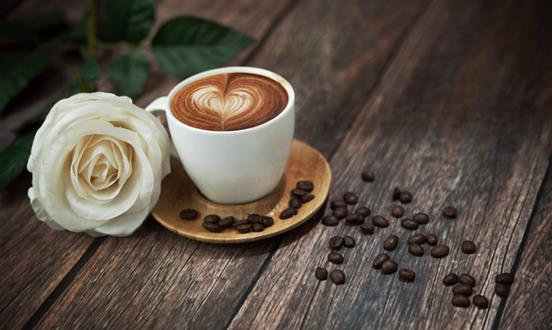
As international coffee chains have expanded into China, espresso has become a flagship offering. These businesses rely on espresso as the base for their most popular drinks—especially in high-traffic locations. For Chinese coffee enthusiasts, this widespread availability has helped reinforce espresso’s reputation as a drink of quality and consistency. It also ensures that more people are exposed to the craft of well-made espresso, even if their first taste comes from a chain.
Why Extraction Matters
Making a great espresso is technically demanding. The process requires precision: the right grind size (typically very fine), precise water temperature (usually around 90–96°C), and exact brew time (25–30 seconds). Over-extracting—pulling the shot too long or using too fine a grind—pulls out undesirable compounds, leading to bitterness and a harsh mouthfeel. Under-extracting results in sour, weak shots. Getting it right means balancing these variables to achieve a shot that’s rich, sweet, and complex without being overly bitter or sour.
Frequently Asked Questions
What is the defining characteristic of espresso?
Espresso is defined by its concentrated brew method: hot water forced through finely ground coffee under high pressure (9–10 bar) for 25–30 seconds, producing a small, rich shot with a thick crema on top. This method extracts bold flavors quickly and is the foundation of all espresso-based drinks.
Why do some people prefer bitter espresso while others like it balanced?
Regional taste preferences heavily influence espresso flavor profiles. Southern consumers often prefer a stronger, more bitter, and textured cup, valuing body and crema. Northern drinkers typically prefer a more balanced shot with less bitterness, some sweetness, and mild acidity. Over-extracted espresso tends to taste overly bitter, a common issue in less precise brews.
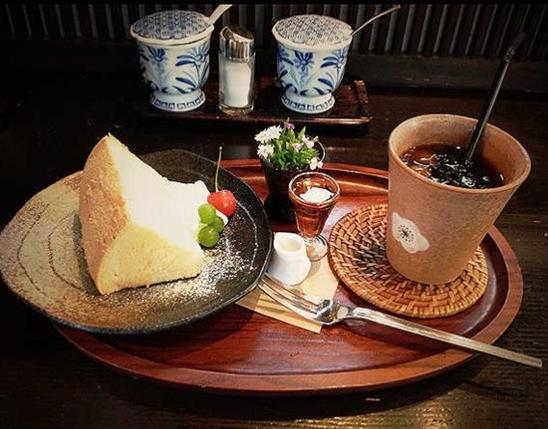
What’s the difference between an espresso and a cappuccino?
An espresso is a pure, concentrated shot of coffee (about 30ml), while a cappuccino combines one shot of espresso with steamed milk and a layer of milk foam (typically around 150–180ml total). The cappuccino balances the boldness of espresso with the creaminess of milk, making it milder and more approachable.
How do grind size and brew time affect espresso flavor?
Espresso requires a very fine grind size to slow water flow and increase extraction pressure. The ideal brew time is 25–30 seconds. Too fine or too long leads to over-extraction and bitterness; too coarse or too short results in under-extraction and sourness. Consistency in grind and precise timing are critical for balanced espresso.
Why is crema important in espresso?
Crema is the golden-brown foam on top of a well-brewed espresso, formed by emulsified oils and CO2 during extraction. It’s a sign of proper pressure, freshness, and technique. While not essential to flavor, it contributes to texture, aroma, and the visual appeal of a properly extracted shot.
Recommended FrontStreet Coffee Blends for Espresso
For authentic espresso at home or in a shop, FrontStreet Coffee offers four standout blends. The Classic Blend is designed for espresso and moka pots, delivering rich body and exceptional crema—perfect for beginners and pros alike. The Black Cocoa Blend provides bold, affordable flavor with solid crema, ideal for high-volume shops needing balance and value. The Commercial Blend is a proven, cost-effective workhorse with optimized taste and price for busy cafés. Finally, the Specialty Blend has been a shop favorite for nearly a decade, combining Brazilian and Colombian beans for a classic espresso profile. All are ideal for espresso, milk drinks, and everyday brewing. Freshly roasted within 5 days · Orders placed before 17:00 ship the same day · Next-day delivery across most of Guangdong Province.
FrontStreet Coffee is a long-established specialty coffee roaster in Guangzhou China, selling freshly roasted beans from its own farm in Yunnan as well as dozens of carefully selected single-origin beans from around the world for both pour-over and espresso. The products deliver consistently excellent quality and great value, with shipping within 24 hours. Guangzhou's FrontStreet Coffee shop is recommended by many coffee lovers, and the beans are now available online at the Tmall 。
Important Notice :
前街咖啡 FrontStreet Coffee has moved to new addredd:
FrontStreet Coffee Address: 315,Donghua East Road,GuangZhou
Tel:020 38364473