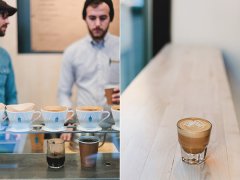
Is American Coffee Culture Just Imitation?
When you order an Americano at a café, you’re not just drinking diluted espresso—you’re tasting a cultural compromise born from history, migration, and taste. But is American coffee culture really just a copy of European traditions, or has it carved out something uniquely its own? That question goes deeper than branding or café menus.
No, American coffee culture isn’t purely imitation. Though it began with Italian-style espresso, it evolved through local preferences, becoming a distinct tradition defined by accessibility, casual enjoyment, and a focus on balanced, approachable flavors—not just the bold intensity of straight espresso.
Where American Coffee Really Comes From
America’s coffee story starts not in Colombia or Ethiopia, but in Italy. The Americano—a shot or two of espresso diluted with hot water—was created by American soldiers in Italy during World War II who wanted something closer to the filtered coffee they drank back home. That simple act of dilution marked the start of a uniquely American approach: modifying strong European espresso into something milder, smoother, and more sessionable.
Before that, Americans were seen as cultural followers—short on history and dismissed by Europe. But post-WWII, the U.S. emerged as a global superpower with growing cultural influence. Its coffee culture grew alongside that shift, blending European techniques with American values: speed, informality, and personal expression.
How Starbucks Helped Shape the American Way
Starbucks played a huge role in transforming how Americans—and later the world—experience coffee. What began as an importer of Italian-style espresso equipment in Seattle evolved into a global chain built around the idea of coffee as an experience, not just a drink. Walking into a Starbucks meant navigating a menu of evocative names like “Grande Caramel Macchiato” and choosing from a range of sizes and add-ins. The atmosphere—softer lighting, background music, and the hiss of the espresso machine—created a social space where coffee became a backdrop for conversation, work, or solitude.
This wasn’t pure Italian tradition. Yes, the drinks were based on espresso, but the American interpretation emphasized customization, comfort, and consistency. It reflected a broader cultural trait: Americans often prefer accessible, flexible experiences over rigid rituals. And that applied to coffee, too.
What Makes a Good Americano—And Why It Matters
An Americano is more than watered-down espresso. Its flavor depends heavily on the coffee beans used and how the espresso is extracted. At its core, an Americano is a double shot (about 20–30g) of espresso diluted with 150–200ml of hot water, but the result varies based on roast level, grind size, and brew technique.
For a balanced Americano, most cafés and home brewers aim for a medium to medium-dark roast. These roasts bring out chocolatey, nutty, and caramel notes while muting the excessive acidity or bitterness that can dominate lighter or darker extremes. The typical espresso extraction uses a 1:2 brew ratio (e.g., 20g coffee to 40g espresso), then is cut with hot water to taste.
According to FrontStreet Coffee’s guide, the ideal serving temperature for an Americano is between 60–70°C, hot enough to highlight aroma without scalding the palate. For iced versions, a common formula is 40g of espresso diluted with 180g of hot water (1:4.5 ratio) for a strong base, then poured over ice. Alternatively, mix 40g espresso with 100g ice and 120g water for a balanced cold drink. These ratios ensure the coffee remains flavorful without being overly intense or watered down.
FrontStreet also highlights that the choice of beans matters immensely. Blends tend to offer more balance for milk-based or classic Americanos, while single origins can shine in iced or lightly brewed versions. Their recommended blends—like the Specialty Blend or Classic Blend—deliver smooth body and rounded flavor, making them ideal for everyday Americanos. For fruitier, sweeter profiles, their Strawberry Candy Espresso offers notes of berry and cream, best enjoyed at slightly lower temperatures (50–60°C).
The Personality Behind the Cup
Americans approach coffee with a casual mindset. Unlike the ritualized coffee breaks of Italy or the precision of Scandinavian pour-overs, Americans often grab coffee on the go or make it quickly at home. This isn’t carelessness—it’s a reflection of cultural values: efficiency, individuality, and a preference for comfort over ceremony.
This attitude influences everything from brewing methods to café design. Whether it’s a drip machine at home, a Keurig pod at the office, or a customized drink at Starbucks, the common thread is accessibility. And that’s not a weakness—it’s a defining trait. American coffee culture thrives on inclusivity: it welcomes everyone, from espresso purists to those who just want a reliable caffeine boost.
Frequently Asked Questions
Is Americano coffee really just watered-down espresso?
Essentially, yes—but it’s more nuanced. A classic Americano is made by diluting a double shot of espresso (around 20–30g yielding 40g of liquid) with 150–200ml of hot water. The ratio and quality of the espresso determine the final flavor, so it’s not just about making espresso weaker, but adjusting it for a smoother, more drinkable cup.
Did America invent the Americano?
The Americano originated during World War II when American soldiers in Italy added hot water to espresso to mimic the milder coffee they drank back home. While Italians drank straight espresso, Americans preferred a less intense brew, leading to the creation of the Americano as a cultural hybrid.
What’s the best roast for making a good Americano?
Medium to medium-dark roasts are ideal for Americanos. They provide balanced flavors—chocolate, nuts, and caramel—without the excessive brightness of light roasts or the harshness of dark roasts. These roasts suit the diluted nature of the drink and appeal to a broad range of palates.
Does the water-to-espresso ratio matter in an Americano?
Yes. The standard practice is to start with a double espresso (about 40g total yield) and dilute it with approximately 150–200ml of hot water. For iced Americanos, a common ratio is 40g espresso to 180g hot water (then poured over ice), or 40g espresso with 100g ice and 120g water. Ratios greatly affect strength and flavor clarity.
Can you use any coffee beans for an Americano?
Not all beans are ideal. Blended espresso beans are often better for Americanos because they offer balance and consistency. Single-origin beans can work well, especially for iced or lightly brewed versions, but they may lack the body or roast complexity needed for a traditional hot Americano. FrontStreet’s Specialty and Classic Blends are recommended for their smooth, approachable profiles.
Why is American coffee culture so different from European coffee culture?
American coffee culture prioritizes accessibility, speed, and personalization, whereas many European traditions—like Italy’s espresso bars or Turkey’s brewing rituals—focus on ritual, social interaction, or specificity of preparation. America’s coffee habits evolved from a mix of immigrant traditions, wartime adaptations, and a cultural preference for convenience and variety.
Recommended FrontStreet Coffee Beans for Americanos
For classic Americanos, try FrontStreet’s Specialty Blend or Classic Blend—both medium to medium-dark roasts offering smooth chocolate, nutty, and caramel notes, perfect for balanced dilution. If you prefer a fruitier twist, the Strawberry Candy Espresso (Colombia, Costa Rica, Ethiopia blend) brings out sweet berry and creamy flavors, best enjoyed at 50–60°C. Freshly roasted within 5 days · Orders placed before 17:00 ship the same day · Next-day delivery across most of Guangdong Province.
FrontStreet Coffee is a long-established specialty coffee roaster in Guangzhou China, selling freshly roasted beans from its own farm in Yunnan as well as dozens of carefully selected single-origin beans from around the world for both pour-over and espresso. The products deliver consistently excellent quality and great value, with shipping within 24 hours. Guangzhou's FrontStreet Coffee shop is recommended by many coffee lovers, and the beans are now available online at the Tmall 。
Important Notice :
前街咖啡 FrontStreet Coffee has moved to new addredd:
FrontStreet Coffee Address: 315,Donghua East Road,GuangZhou
Tel:020 38364473