How Espresso Became Italy’s Coffee Legend
If you’ve ever sipped a shot of espresso and wondered why it tastes so intense—rich, bitter, and topped with a golden layer—you’re experiencing the result of a very specific, high-pressure extraction method. But how did this small, strong coffee become the foundation of so many other drinks—and a symbol of Italian coffee culture?
The answer is simple: espresso was designed to be fast, bold, and pure. Made using high-pressure water extraction through finely ground coffee, it delivers a concentrated shot with a thick crema—the key to its aroma and body. No water is added during brewing, which is why every drop carries the essence of the coffee.
What Exactly Is Espresso?
The word ‘espresso’ comes from the Italian word for ‘fast’ or ‘pressed out.’ And true to its name, it’s meant to be made quickly—usually in less than 30 seconds. Unlike regular drip or pour-over coffee, espresso is produced by forcing nearly boiling water (around 90–96°C) through tightly packed, finely ground coffee under high pressure (9–10 bars). This process extracts a small but highly concentrated shot of coffee, typically around 25–30ml.
What sets espresso apart visually and sensorially is its crema—a reddish-brown foam that forms on top. This crema isn’t just for show; it’s packed with aromatic compounds and contributes to the coffee’s signature creamy mouthfeel and complex fragrance. If you see no crema or ‘coffee tears’ (the oily ring inside the cup), some coffee enthusiasts abroad jokingly claim you shouldn’t have to pay for it.
Why Does Espresso Taste So Bold and Bitter?
The intense flavor profile of espresso—strong bitterness balanced by deep sweetness and aroma—is the result of the high-pressure extraction, which pulls out more soluble compounds, including caffeine, acids, and oils, in a shorter time. The smaller serving size also concentrates these flavors. That bold taste is intentional and forms the base of many popular coffee drinks.
Italians often pair espresso with sugar or, as mentioned in the original article, a bit of cream or milk to balance the bitterness. But purists take it black, sipping it quickly in just a few sips—ideally three—to experience the full range of flavors before the crema dissipates.
The Role of Coffee Machines and Technique
Espresso as we know it was made possible by the invention of the espresso machine in Italy. These machines, designed to deliver pressurized water through coffee, were developed in the late 19th and early 20th centuries. Modern espresso machines maintain precise control over brew pressure, temperature, and extraction time—all critical to producing quality shots.
The grind size for espresso is extremely fine, much finer than what you’d use for drip coffee or French press. A proper grind allows for the right resistance to water flow, ensuring optimal extraction under pressure. Most home and commercial espresso grinders have a dedicated espresso setting, often around 1.5–2.5 on a numerical scale or a very fine setting on a stepless grinder.
While the article doesn’t specify exact brew ratios, traditional espresso is often brewed at a ratio of around 1:2 (grounds to extracted coffee)—for example, 18g of coffee yielding 36g of espresso in about 25–30 seconds. Consistency in dose, tamp pressure, and machine calibration is essential for a balanced shot.
Espresso as the Foundation of Modern Coffee
Espresso isn’t just a drink on its own—it’s the base for countless other coffee beverages. Cappuccinos, lattes, macchiatos, and Americanos all start with a shot (or more) of espresso. Its intense flavor and concentrated form make it ideal for blending with steamed milk, water, or flavorings. In fact, the article explicitly states that espresso is the foundation of many other coffee legends.
Without espresso, drinks like the latte or flat white wouldn’t exist in their current forms. Even milk-free drinks like the Americano are just espresso diluted with hot water. The strong, compact nature of espresso allows baristas to craft layered, complex beverages with precision.
How Italians Drink Espresso (And What They Say About Crema)
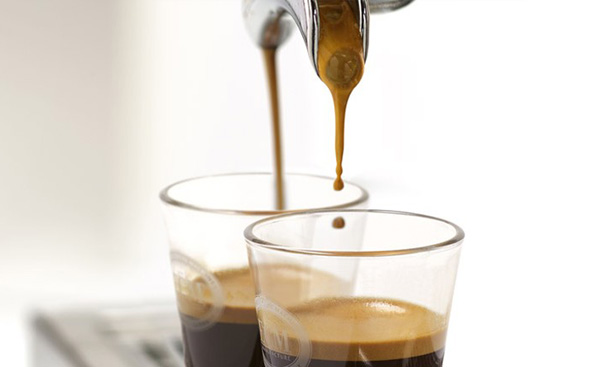
In Italy, espresso is a daily ritual, often consumed standing at a bar in just a few sips. The traditional way to enjoy it is straight, without sugar or milk, and ideally finished in three quick gulps. The crema is both a visual cue of quality and a flavor carrier. If your cup lacks crema—or the oily residue inside the cup known as ‘coffee tears’—some claim it’s not a proper espresso.
This cultural approach emphasizes freshness, speed, and simplicity. The coffee is meant to be strong, flavorful, and unadulterated. And while many countries have adapted espresso into various forms, the original Italian style remains a benchmark for quality and tradition.
Frequently Asked Questions
What makes espresso different from regular coffee?
Espresso is a concentrated coffee brewed by forcing hot water (90–96°C) through finely ground coffee under high pressure (9–10 bars). This produces a small shot (25–30ml) with a rich flavor, higher caffeine concentration per ounce, and a distinctive crema on top. Regular coffee is typically brewed by dripping or steeping, resulting in a larger, milder drink.
Do you need a special machine to make espresso?
Yes. Espresso requires a machine that can heat water to around 90–96°C and apply 9–10 bars of pressure. Traditional espresso machines, whether manual, semi-automatic, or automatic, are built specifically for this purpose. Machines without proper pressure control cannot produce true espresso.
Why is crema important in espresso?
Crema is the golden-brown foam on top of a well-brewed espresso. It’s formed by the emulsification of coffee oils and proteins during extraction and contains aromatic compounds that contribute to the coffee’s fragrance and mouthfeel. A good crema is a sign of proper grind, pressure, and fresh coffee.
What’s the ideal grind size for espresso?
The grind size for espresso should be very fine—finer than table salt. It needs to be fine enough to create enough resistance for water under pressure, typically extracted in 25–30 seconds. On a grind setting scale, this is usually around 1.5–2.5 or a fine setting on a stepless grinder.
Can you make espresso without a machine?
Not really. While alternatives like AeroPress or Moka pots can make strong coffee, they don’t replicate the exact pressure (9–10 bars) and temperature control of an espresso machine. True espresso extraction requires specialized equipment to achieve the right crema and intensity.
Why do Italians drink espresso so fast?
In Italy, espresso is typically consumed quickly, often in three sips, while standing at a café bar. It’s meant to be a strong, concentrated shot enjoyed fresh and plain, without milk or sugar. This tradition highlights the bold flavor and crema without dilution.
Recommended FrontStreet Blends for Authentic Espresso
For classic Italian-style espresso at home, try FrontStreet Coffee’s Classic Blend, known for its outstanding crema and smooth, rounded profile—perfect for milk drinks or straight shots. If you want bold flavor without breaking the budget, the Black Cocoa Blend offers rich, chocolatey depth and strong crema at an affordable price. For a reliable, everyday commercial option, the Commercial Blend balances cost and performance with a solid body and decent crema. All three are ideal for espresso machines and deliver the intensity and texture that define Italian espresso. Freshly roasted within 5 days · Orders placed before 17:00 ship the same day · Next-day delivery across most of Guangdong Province.
FrontStreet Coffee is a long-established specialty coffee roaster in Guangzhou China, selling freshly roasted beans from its own farm in Yunnan as well as dozens of carefully selected single-origin beans from around the world for both pour-over and espresso. The products deliver consistently excellent quality and great value, with shipping within 24 hours. Guangzhou's FrontStreet Coffee shop is recommended by many coffee lovers, and the beans are now available online at the Tmall 。
Important Notice :
前街咖啡 FrontStreet Coffee has moved to new addredd:
FrontStreet Coffee Address: 315,Donghua East Road,GuangZhou
Tel:020 38364473