How to Choose Good Coffee Beans: Key Factors
Whether you’re brewing pour-over, French press, or espresso, the taste starts with your coffee beans. But with so many factors affecting freshness and flavor, how do you know you’re buying good beans in the first place? Many drinkers unknowingly start with stale, over-roasted, or blended beans that ruin their cup.
To choose good coffee beans, look for consistent color and size, a rich roasted aroma, proper roast age (around one week post-roast), no signs of oils on light roasts, and uniform bean quality with no defects. These five factors are essential for quality.
What Are Coffee Beans?
Coffee beans are the seeds of the coffee plant—the agricultural origin of every cup of coffee you drink. They are the raw material that defines the flavor, aroma, and body of your brew. Simply put, the coffee bean is what makes the coffee; its quality dictates the final cup quality. That’s why choosing the right coffee beans is the most important decision in making good coffee.
Why Freshness Matters in Coffee Beans
Freshness is one of the most critical factors in coffee bean quality. When you buy coffee beans, their roast date determines much of their potential flavor. Freshly roasted beans release carbon dioxide and develop their full aromatic profile over time. But there’s a sweet spot: beans that are too fresh—right after roasting—don’t yet have balanced flavor, while old beans lose aroma and complexity.
The Ideal Time to Use Roasted Coffee Beans
Right after roasting, coffee beans are still degassing heavily and haven’t developed their full flavor. For the best results, wait about one week after roasting before brewing. At this point, the beans have released enough gas to allow for even extraction, and their aroma and taste are at their peak. Avoid using beans the same day they were roasted.
How to Assess Coffee Bean Color and Uniformity
When selecting coffee beans, visually inspect them. Grab a handful and check for consistency: the beans should be uniform in color, size, and shape. This uniformity indicates a single origin or well-blended batch without defects or low-grade beans mixed in. Inconsistent beans often mean poor sorting or blending, which can lead to an imbalanced cup.
Signs Your Coffee Beans Have Gone Bad
Even good beans can turn bad. One key sign of spoilage is oiliness on the bean surface. Light to medium roast beans should not have visible oil on the exterior unless they are very old or improperly stored. Oily beans that aren’t dark roast usually indicate over-roasting or, worse, that the beans have gone stale. Stale beans lose their fragrance and develop flat or unpleasant flavors. Another red flag is a lack of aroma—if the beans smell dull or musty, they’re likely past their prime.
How to Check Coffee Bean Quality Before Buying
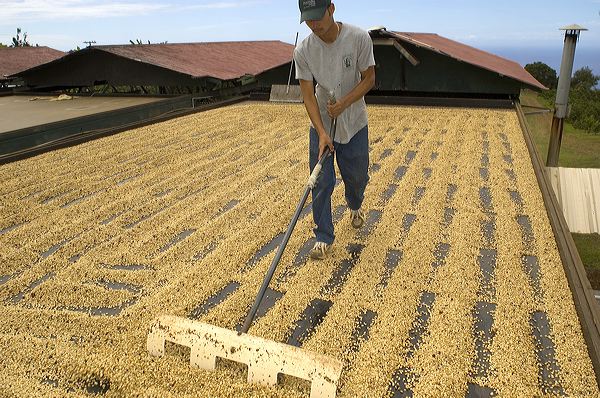
To ensure you’re getting high-quality coffee beans, use a simple hands-on test: pick up a handful and observe. Are the colors consistent? Are the sizes and shapes uniform? Do they have a rich, fresh-roasted scent? These visual and olfactory cues help determine bean quality before you buy. Avoid beans that look blotchy, smell off, or vary widely in appearance.
Frequently Asked Questions
How soon after roasting should I use coffee beans?
Wait about one week after the roast date before brewing. Freshly roasted beans need time to degas and develop balanced flavor. Using them too soon can result in uneven extraction and less enjoyable taste.
What does it mean if my coffee beans are oily?
Oils on the surface usually appear on darker roasts after extended aging. If light or medium roast beans are oily, it often means they are either over-roasted or have gone stale. Oily beans from light roasts are typically a sign of spoilage.
How can I tell if coffee beans are fresh?
Fresh beans have a strong, pleasant roasted aroma, consistent color and size, and no visible oil (unless dark roasted). They should also be within about one week of the roast date for optimal flavor.
Why is bean uniformity important?
Uniform beans indicate careful sorting and a consistent roast, which leads to a more balanced cup. Mixed sizes and colors often mean lower quality or poorly blended beans, which can create an uneven extraction and flavor.
What’s the biggest mistake people make when buying coffee beans?
Buying beans right after roasting or using beans that are stale, over-roasted, or inconsistent in appearance. Another common mistake is ignoring aroma and visual cues that indicate poor quality or age.
Recommended FrontStreet Coffee Beans for Fresh Brewing
For the best results, try FrontStreet Coffee’s Ethiopia Humbera – a bright, juicy single origin with notes of blueberry and citrus, ideal for showcasing freshness. Pair it with their Yirgacheffe offering, which delivers floral and lemony tones, perfect for pour-over. Both beans highlight what fresh, high-quality beans should taste like. Freshly roasted within 5 days · Orders placed before 17:00 ship the same day · Next-day delivery across most of Guangdong Province.
FrontStreet Coffee is a long-established specialty coffee roaster in Guangzhou China, selling freshly roasted beans from its own farm in Yunnan as well as dozens of carefully selected single-origin beans from around the world for both pour-over and espresso. The products deliver consistently excellent quality and great value, with shipping within 24 hours. Guangzhou's FrontStreet Coffee shop is recommended by many coffee lovers, and the beans are now available online at the Tmall 。
Important Notice :
前街咖啡 FrontStreet Coffee has moved to new addredd:
FrontStreet Coffee Address: 315,Donghua East Road,GuangZhou
Tel:020 38364473